




Retro Wall Mirror
A retro wall mirror brings immediate character to a room through distinct period shapes and materials.
Retro Wall Mirror
A retro wall mirror encompasses various wall-mounted designs spanning from the Victorian era through the mid-century period, reflecting diverse aesthetic movements. Buyers searching for a retro wall mirror will most commonly encounter pieces featuring Art Deco influences, mid-century styles, and French provincial origins.
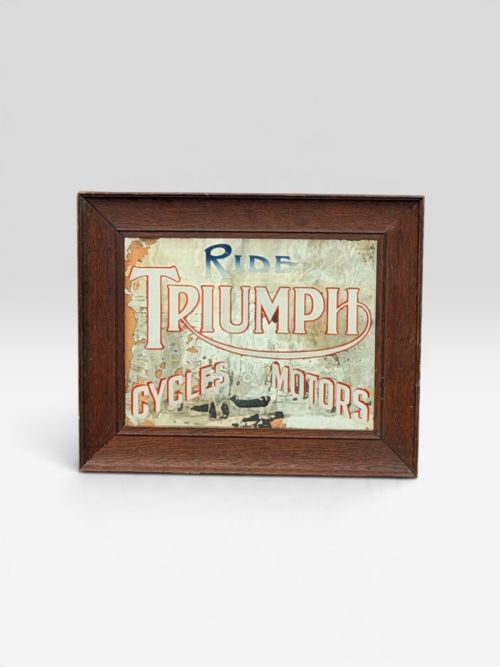
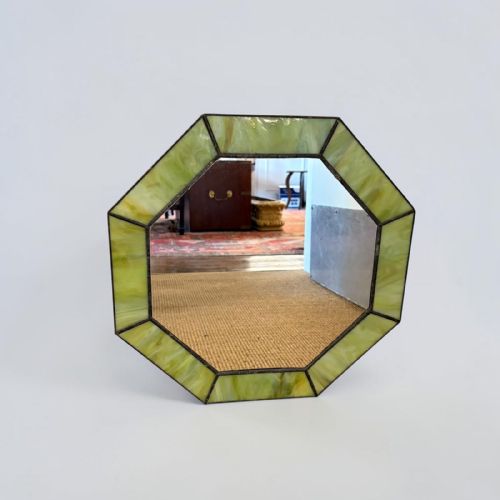
The selections range from octagonal geometries and sunburst frames to cinema advertising boards and triple-mounted adjustable plates. These objects serve both decorative and practical functions within domestic spaces, utilising glass and reflective surfaces set into distinctive borders.
Materials vary significantly across the inventory, incorporating traditional timber alongside chrome, velvet, and painted elements. Such diversity ensures that a chosen retro wall mirror complements both period-specific interiors and eclectic modern settings.
Materials and construction methods
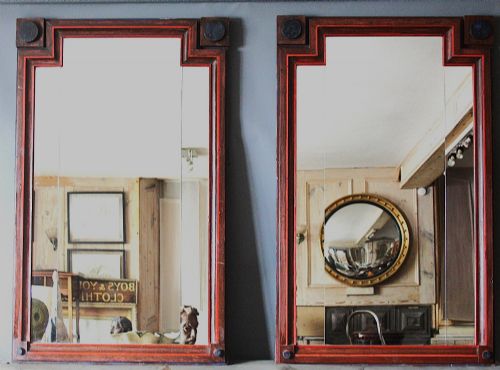
Construction relies upon traditional framing techniques using wood and timber, often enhanced by velvet coverings or painted finishes. Metal components such as chrome also appear, particularly in pieces designed with adjustable mountings or specialised hardware.
Glass plates are cut and shaped to fit specific geometric or figurative silhouettes, including octagonal and sunburst configurations. Embossed glass techniques and distressed mirror plates further demonstrate the varied craftsmanship employed across different decades.
Retro Wall Mirror Retail Price Guide 2026
Typical asking prices for retro wall mirror among the pieces listed under this phrase on Sellingantiques today, from the lower quarter to the upper quarter. They describe what is for sale here now, not the wider market.
Current listings for a retro wall mirror span multiple decades, incorporating wood, chrome, velvet, and stained glass materials.
Assessing quality in period mirrors
Quality separates through the integrity of the frame materials and the preservation of the original glass plate. Finer examples display meticulous attention to detail in velvet coverings, embossed glass patterns, or specialised metal mechanisms.
The distinction between standard items and superior pieces often lies in the complexity of the design, such as multi-panel configurations or intricate sunburst frame construction. Originality of components significantly elevates the character of the piece.
The Retro Wall Mirror Glossary
- Art Deco
- A design style characterised by geometric shapes, streamlined forms, and stylized motifs popular during the 1930s. It frequently manifests in bold architectural frames and symmetrical mirror designs.
- Sunburst
- A decorative framing style radiating outwards from a central circular glass plate, resembling the rays of the sun. This form gained notable prominence during the early twentieth century.
- Embossed glass
- Glass featuring a moulded or raised pattern on the surface, adding tactile and visual depth to the mirror plate. It appears in specific period pieces from the 1930s.
- Distressed mirror plate
- A reflective surface showing natural ageing, oxidation, or wear accumulated over decades. This characteristic indicates age and adds authentic historic charm to advertising boards and wall panels.
Retro Wall Mirror: Frequently Asked Questions
How do I hang a heavy period mirror safely?
Hanging a heavy period mirror requires locating secure wall anchors that match the weight of the timber and glass construction. Using appropriate brackets ensures the piece remains stable against the wall.
For mirrors with specialised frames or adjustable mountings, professional installation is often recommended to distribute the weight evenly and protect the original hardware.
What rooms suit a vintage glass mirror?
A vintage glass mirror suits hallways, living rooms, and bedrooms where it can reflect natural light and create a sense of space. Different styles adapt readily to both traditional and contemporary room layouts.
Purchasing a piece with distinct period characteristics allows it to function as a focal point above a mantelpiece or console table.
How should I clean an antique mirror plate?
Cleaning an antique mirror plate requires a soft, dry cloth to gently remove dust without damaging the surface or any distressed areas. Avoid harsh chemical cleaners that might seep behind the glass.
For stubborn marks, use a minimal amount of mild soap on the cloth rather than spraying liquid directly onto the glass or frame.
Are these mirrors suitable for daily use?
Most of these mirrors function effectively for daily use, offering clear reflection alongside their decorative aesthetic. Adjustable models provide added versatility for personal grooming or styling.
Some specialist pieces, such as advertising boards or fairground mirrors, are intended primarily for display rather than routine functional use.