

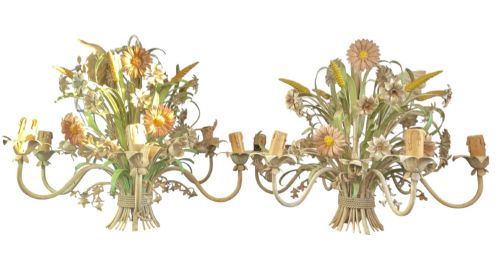


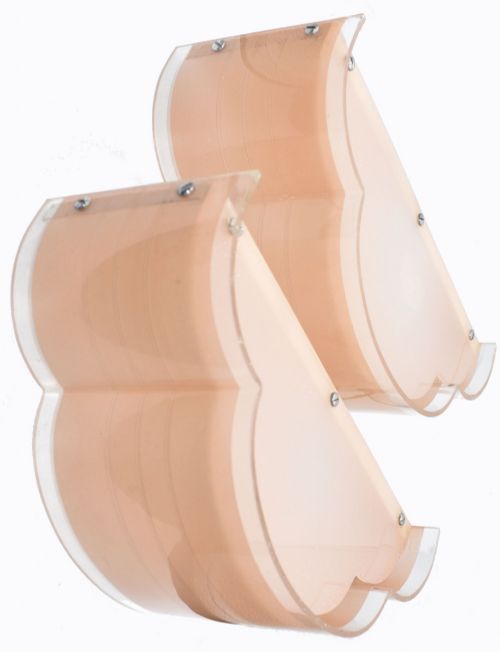


Retro Wall Lights
Retro wall lights bring distinct mid-century character and purposeful illumination to a room, led firmly by the geometric strength of the nineteen thirties.
Retro Wall Lights
When you search for retro wall lights, you encounter fixtures that bridge Edwardian traditions and mid-century modern design. The selection is dominated by nineteen thirties pieces that favour bold geometry and matched pairs.
Forms range from cloud-shaped glass sconces and flame designs to multi-tier empire torch fixtures. Alongside standard domestic lighting, the broader category includes illuminated ceramic wall fountains from the nineteen fifties.
Origin plays a strong role, with French workshops contributing significant examples in chrome and lucite or bronze and amber glass. These pieces mount directly to a wall to provide ambient or accent lighting in a hallway or reception room.
How they were made
Manufacturers built these lights using a heavy base of metal, frequently finished with bright chrome plating or cast in bronze. This metallic structure supported delicate glass shades or moulded synthetic elements.
Glasswork involved frosted treatments and amber tints to soften the bulb glare, while early plastics such as bakelite, catalin, and lucite introduced rich colour and tactile warmth to the frames.
Retro Wall Lights Retail Price Guide 2026
Typical asking prices for retro wall lights among the pieces listed under this phrase on Sellingantiques today, from the lower quarter to the upper quarter. They describe what is for sale here now, not the wider market.
Materials across the listings span chrome plating, amber frosted glass, heavy bronze, and early resins like bakelite and lucite.
What varies in quality
The distinction between standard production and superior pieces lies in the crispness of the casting and the integration of materials. Top tier examples feature thick, moulded glass shades that fit precisely into their metal mountings without slack.
Surface finishes also set pieces apart, where deep, unblemished chrome plating or rich bronze patination elevates an ordinary sconce into an accomplished piece of period interior design.
The Retro Wall Lights Glossary
- Bakelite
- An early form of thermosetting phenol formaldehyde resin. It provided durable, heat-resistant housings for electrical components.
- Catalin
- A cast phenolic resin developed in the nineteen twenties. It allowed for bright, translucent colours that contrast sharply with plain metal backplates.
- Lucite
- A brand of transparent acrylic thermoplastic. It offered a lightweight, shatter-resistant alternative to glass in decorative lighting.
- Sconce
- A wall-mounted light fixture designed to hold bulbs and direct illumination outward. It fastens directly to vertical surfaces.
- Torch
- A decorative light style modelled after a flaming torch. These fixtures project upward to cast light across a wall.
Retro Wall Lights: Frequently Asked Questions
How do I install retro wall lights?
These fixtures require secure mounting to wall studs or solid masonry using appropriate brackets and screws. Electrical connection must be made to existing household wiring behind the wall.
Because many vintage pieces use older internal components, consulting a qualified electrician ensures safe operation with modern voltage standards.
How do I clean frosted glass shades?
Remove the glass from the metal frame if the mounting permits, then wash gently in lukewarm water with mild soap. Avoid abrasive cloths that might scratch the frosted surface.
Ensure the glass is completely dry before reattaching it to the metal backplate and turning the power back on.
How do I date an art deco light?
Examination of the materials provides the clearest indication of date, with chrome plating, bakelite, and frosted glass pointing directly to the nineteen thirties. Stylistic cues such as stepped geometric forms and flame motifs confirm the period.
Maker marks or stamps on the metal chassis can occasionally pinpoint the exact year of manufacture.