





Retro Vanity Glass
Retro vanity glass brings functional dressing table elegance to a room, offering bevelled surfaces and decorative bottles that catch the light.
Retro Vanity Glass
When searching for retro vanity glass, a buyer encounters a focused selection of dressing table accessories and mirrors spanning from the Victorian period through the mid-century modern era. These items encompass items such as trays, perfume atomisers, and mirrors designed for daily grooming and display.
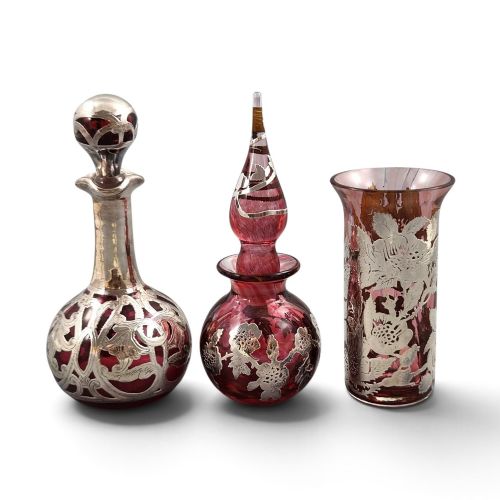
The most prevalent forms on this page include Art Deco mirrors and trays, alongside Victorian velvet-framed pieces and Edwardian ruby glass ensembles. Buyers frequently find glass combined with chrome, mirror plate, and metal mounts to create functional surface pieces.
Originating across different decades, these objects reflect shifting tastes in personal care spaces, moving from ornate Victorian textures to the geometric lines of the nineteen-thirties. Each piece serves as both a practical accessory and a decorative focal point for a dressing table.
Materials and construction methods
The construction of these pieces relies heavily on mirrored glass, chrome, and standard glass, often shaped into geometric trays or bevelled wall and easel mirrors. Makers combined metal framing, such as silver plating, with heavy glass bases to ensure stability on dressing tables.
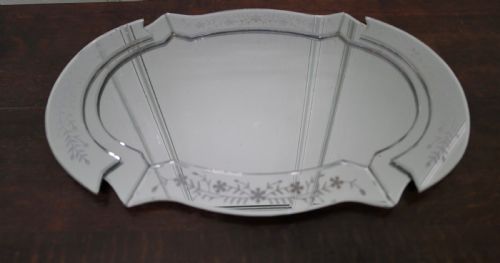
Decoration was achieved through techniques like cutting, etching, and Venetian glasswork, visible on wine trays and perfume bottles. Velvet was also utilised for framing mirrors, providing a soft textural contrast to the hard reflective surfaces.
Retro Vanity Glass Retail Price Guide 2026
Typical asking prices for retro vanity glass among the pieces listed under this phrase on Sellingantiques today, from the lower quarter to the upper quarter. They describe what is for sale here now, not the wider market.
Velvet mirror frames offer a tactile surprise among the sleek, cold surfaces of chrome and mirrored glass.
Assessing quality in dressing table glass
Quality in these items is determined by the precision of the glass cutting and the clarity of the mirror plate, where finer examples display crisp bevels and minimal distortion. The weight and finish of metal mounts, such as silver plating or chrome, further distinguish standard production from superior pieces.
The integrity of applied materials, including the tightness of velvet coverings and the execution of etched or cut decorative motifs, separates robustly made vanity items from simpler decorative wares.
Gorham·Brot
The Retro Vanity Glass Glossary
- Atomiser
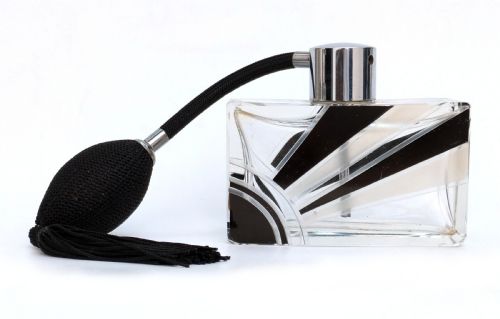
- A perfume bottle fitted with a spray mechanism designed to disperse liquid fragrance evenly. These often feature cut glass bottles and metal fittings typical of the twentieth century.
- Easel mirror
- A freestanding mirror supported by a hinged prop at the back, allowing it to tilt at a convenient angle for dressing. They appear frequently in twentieth-century vanity collections.
- Venetian mirror
- A mirror style characterised by intricate glass-work framing, often featuring etched floral or geometric patterns surrounding the central reflective plate. Venice has a long tradition of producing such decorative glass.
- Ruby glass
- A deep red glass created by adding gold or copper compounds to the molten batch during production. It was popular in nineteenth-century and early twentieth-century decorative ensembles.
Retro Vanity Glass: Frequently Asked Questions
What is retro vanity glass?
Retro vanity glass encompasses dressing table accessories, mirrors, and trays produced primarily during the late nineteenth and twentieth centuries. These items combine utility with decorative glasswork.
They were designed for personal grooming spaces, holding perfumes, cosmetics, and providing functional reflections on dressing chests.
How were vanity trays used?
Vanity trays served as neat resting places for perfume bottles, powder jars, and small grooming tools on dressing tables. They protected wooden surfaces from spills.
Later variations also functioned as drinks trays, accommodating glassware and bottles in entertaining spaces.
How do I date an easel mirror?
Dating an easel mirror involves examining the framing materials, backing construction, and glass bevelling techniques. Art Deco examples typically feature geometric lines and stepped mirrors.
Earlier Victorian versions often utilise velvet frames or heavier metal backings with simple hinges.
Are perfume atomisers still functional?
Many vintage perfume atomisers retain their original rubber bulbs and metal pump mechanisms, though rubber components can perish over time. Collectors often check the integrity of the internal straw and collar.
Even when non-functional, they remain prized for their decorative cut glass and coloured bodies.