

Retro Timepiece
A retro timepiece offers practical timekeeping wrapped in mid-century design, bringing mechanical honesty and period character directly to the wrist or wall.
Retro Timepiece
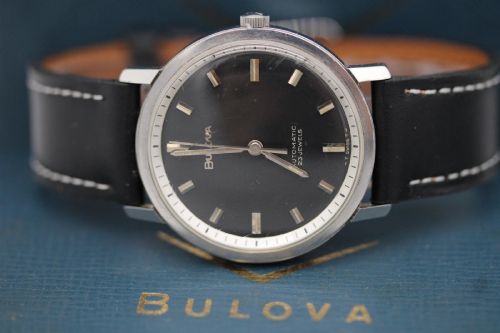
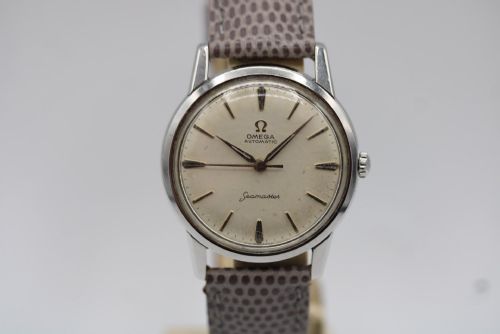
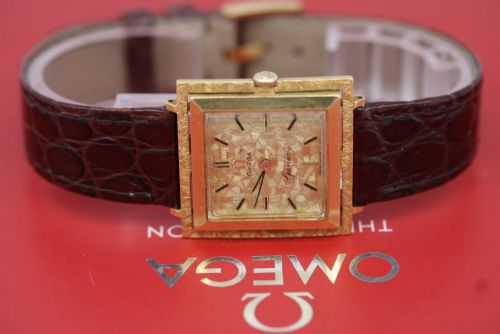
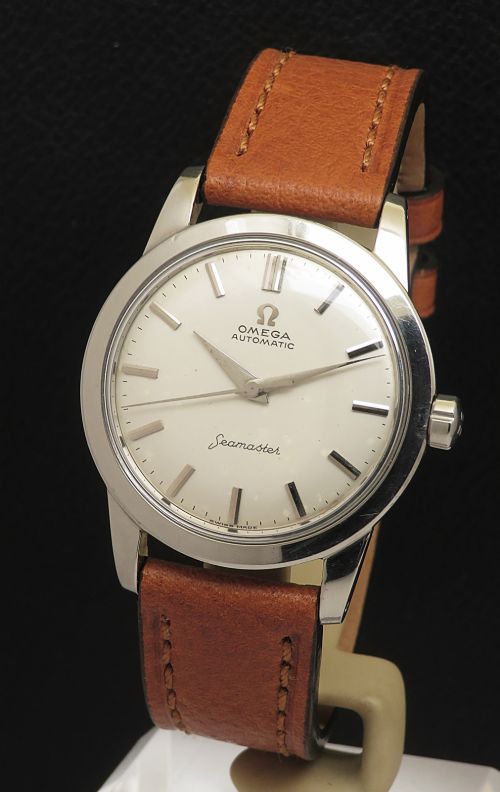
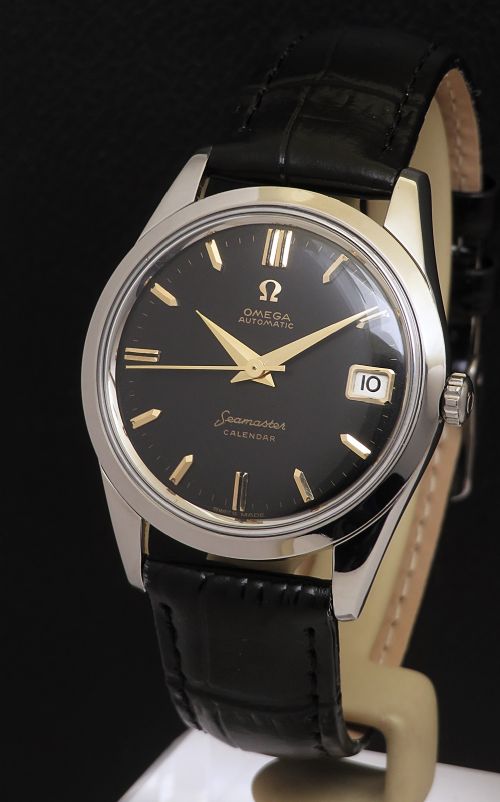
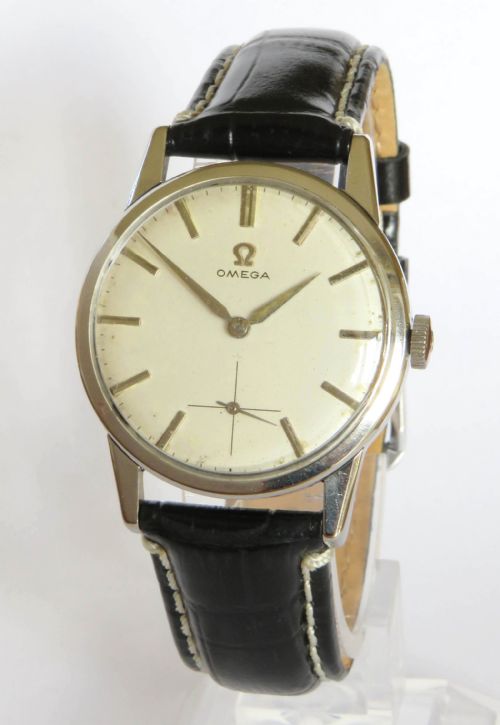
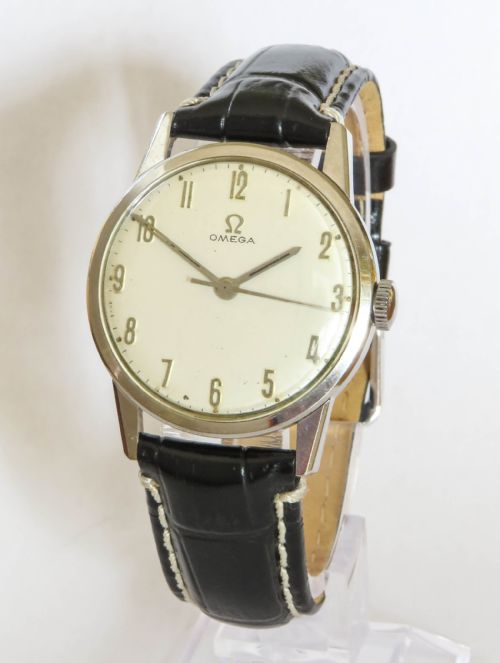
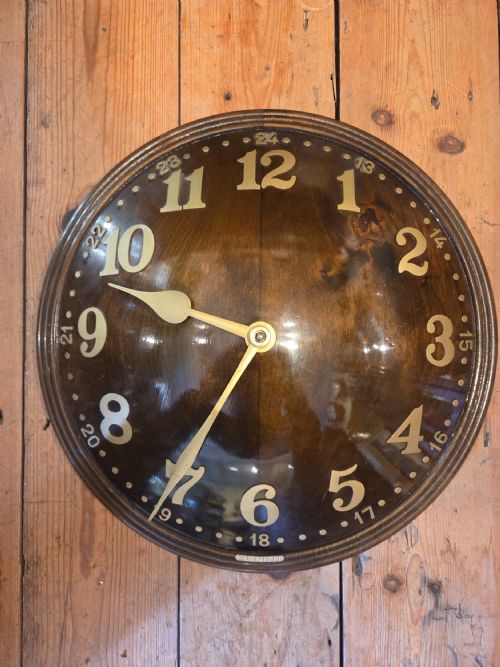
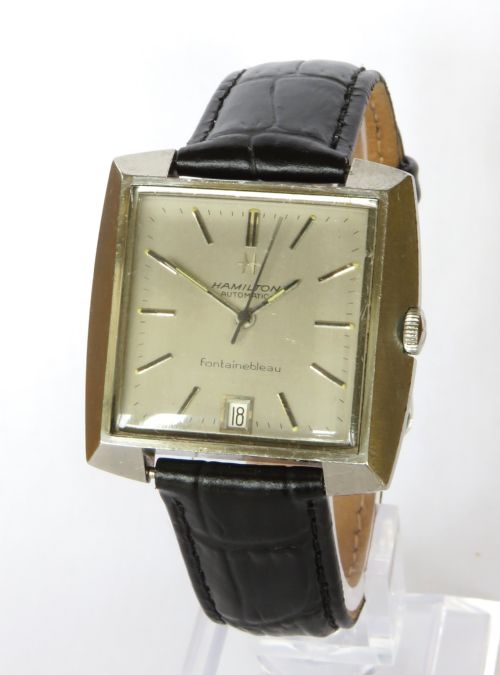
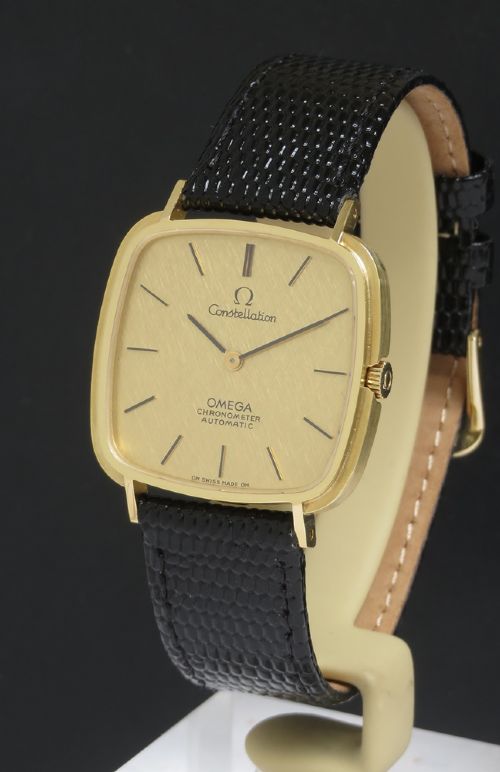
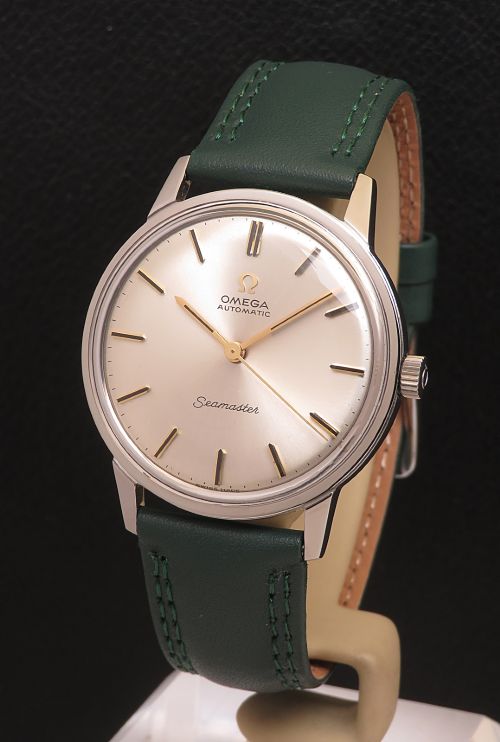
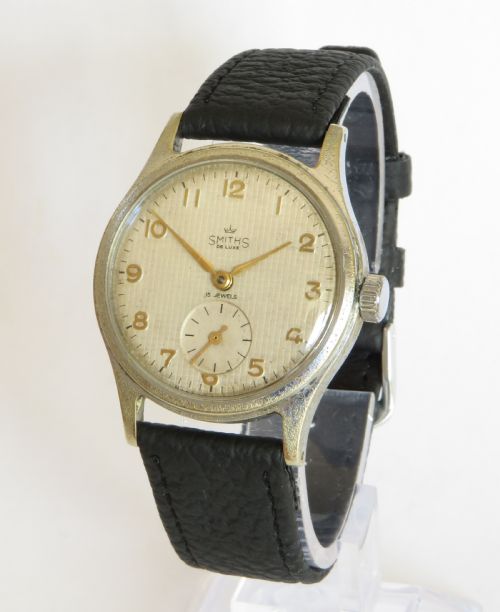
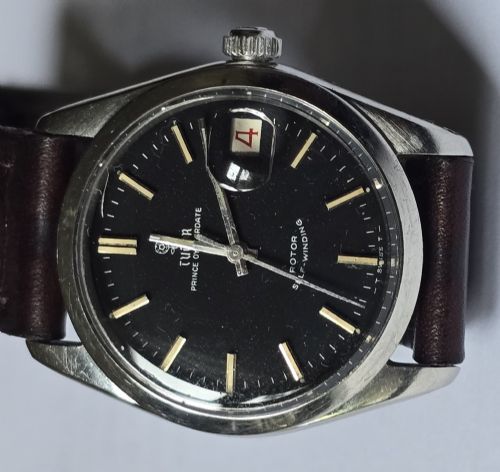
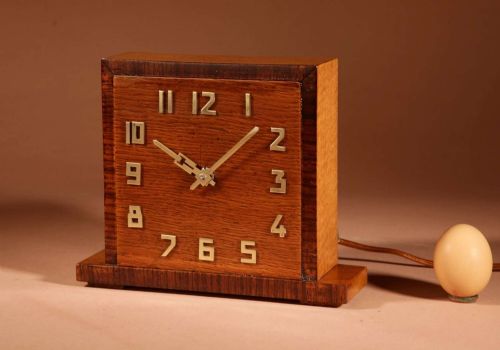
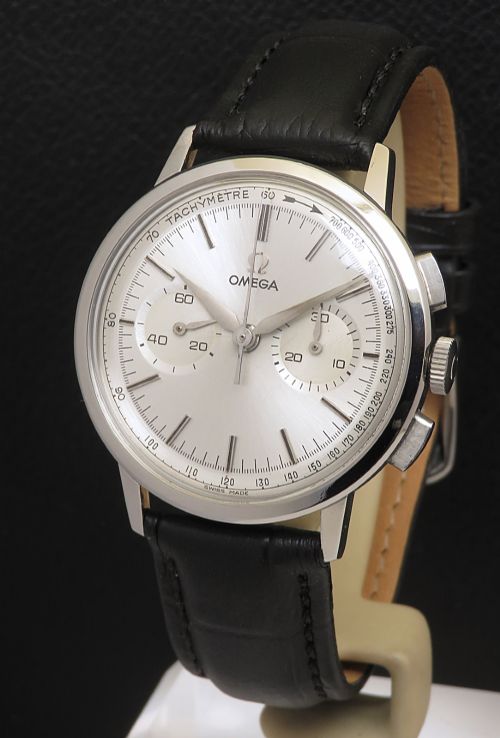
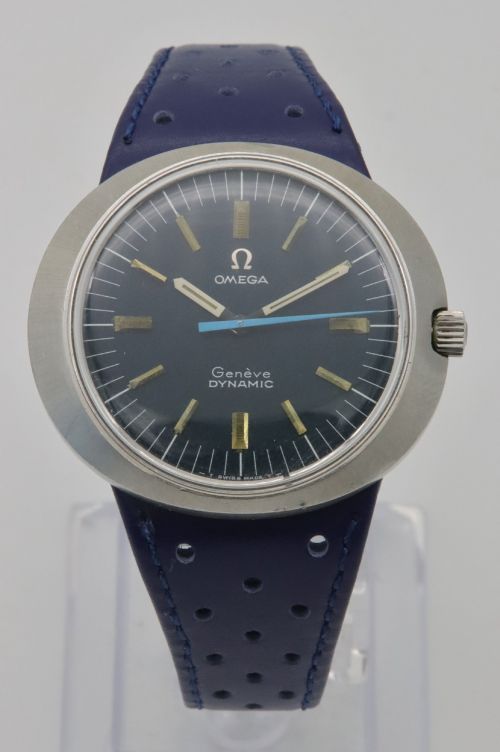
When you search for a retro timepiece, you encounter wristwatches, wall clocks, mantel clocks, desk clocks and pocket watches spanning several decades of twentieth-century design. The version you are most likely to meet on this page is a mid-century gents wristwatch in stainless steel or gold plate, alongside architectural wall and mantel clocks from the art deco and mid-century modern periods.
The objects originate from varied workshops and makers across Britain, Switzerland and France, capturing shifts in domestic and personal timekeeping from the 1920s through to the 1970s. These pieces range from robust automatic wristwatches designed for daily wear to decorative striking clocks housed in walnut, oak or bakelite cases.
Makers represented in these listings include established names such as Omega, Zenith, Tudor, Hamilton, Seiko, Bulova and Smiths. Each piece reflects the dominant styling of its decade, moving from early electrical and mechanical innovations to sleek modernist dials.
Materials and construction
Casings utilise metals like stainless steel, chrome, brass, and gold plate, paired frequently with leather straps, glass crystals, and acrylic or bakelite elements. Wood variants rely on walnut, oak, and rosewood for structural presence in wall and mantel clocks.
Retro Timepiece Retail Price Guide 2026
Typical asking prices for retro timepiece among the pieces listed under this phrase on Sellingantiques today, from the lower quarter to the upper quarter. They describe what is for sale here now, not the wider market.
Materials documented across the inventory include solid gold, gold plate, stainless steel, chrome, walnut, oak, and bakelite.
Distinctions in quality
Quality rests in the originality of components, the precision and servicing history of the internal movement, and the preservation of the dial and case. Pieces retaining original signed crowns, factory-finished dials, and documented service histories stand apart.
Material selection also dictates standing, with solid gold or heavy steel casings representing higher manufacturing investment than gold-plated alternatives. Furthermore, scarce dial variations, such as specific calendar configurations or 24-hour markers, elevate individual examples.
Omega·Zenith·Tudor·Smiths·Hamilton·Seiko·Bulova
The Retro Timepiece Glossary
- Calibre
- The specific internal movement design or model created by a watch manufacturer. This designation identifies the mechanical engine driving the timepiece.
- Bumper automatic
- An early self-winding watch movement where the rotor swings back and forth against springs rather than rotating fully. Collectors prize this mechanical predecessor to the modern rotor.
- Chronometer
- A precision timepiece that has successfully passed high-standard chronometric testing for accuracy. These movements often feature official certification documentation.
- Bakelite
- An early synthetic plastic utilised for durable clock and instrument housings during the art deco period. Its rich dark finish and moulded forms define mid-century desk accessories.
- Carillon
- A clock movement capable of playing multiple tunes or striking multiple gongs on the quarter-hour. This sophisticated mechanism adds acoustic charm to wall and mantel clocks.
Retro Timepiece: Frequently Asked Questions
How do I wind a mechanical vintage watch?
Wind the crown gently in a clockwise direction until you feel firm resistance, taking care not to force it past the stop point.
For automatic models, simply wearing the piece or giving it a gentle shake will engage the self-winding mechanism to power the movement.
Are these vintage clocks suitable for daily use?
Many wall and mantel clocks function reliably for daily timekeeping once properly set up and leveled in your living space.
Mechanical models benefit from routine placement away from drafts and direct sunlight to protect their delicate internal wooden and metal components.
How can I tell a 1950s watch from a 1960s watch?
Decade identification relies on stylistic cues in the dial typography, hand shapes, and case geometry, with 1950s pieces often featuring Dauphine hands and classic round profiles.
Sixties examples frequently introduce bolder geometric indexes, date windows, and integrated bracelets reflecting changing modernist tastes.
What does serviced mean for a vintage timepiece?
A serviced timepiece has been disassembled, cleaned, lubricated, and adjusted by a horologist to ensure accurate timekeeping and mechanical reliability.
This maintenance preserves the vintage internal gears and protects against premature wear during everyday wear or display.