

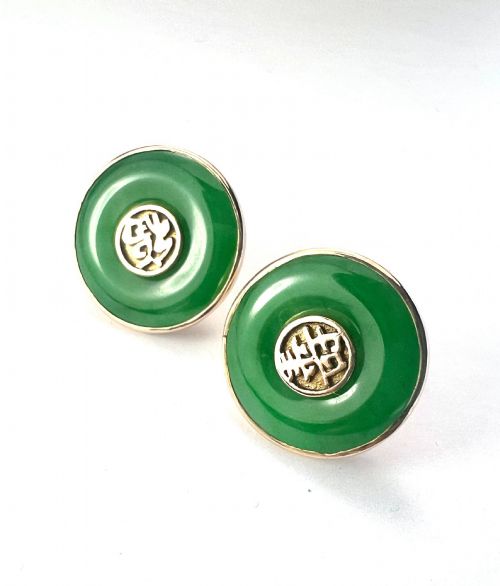


Retro Style Earrings
Retro style earrings bring mid-century flair to the earlobe, capturing decades of bold design from the thirties through to the sixties.
Retro Style Earrings
When buyers search for retro style earrings, they encounter a diverse array of mid-century pieces spanning from the 1930s to the 1960s. The forms vary from simple stud earrings to elaborate drop designs, capturing the distinctive aesthetic shifts of these decades.
Earrings from this category frequently incorporate characteristic period motifs such as floral arrangements, fan shapes, and geometric Art Deco influences. Buyers are most likely to meet pieces featuring mid-century modern styling, Danish silver gilt enamel work, or Asian revival themes.
Materials utilised in these earrings range from precious metals like 9ct gold, 18ct white gold, sterling silver, and platinum, paired with stones such as diamonds, pearls, jade, opal, onyx, turquoise, and amber. The designs reflect the evolving tastes of the 1940s, 1950s, and 1960s with robust construction and striking visual impact.
Materials and construction methods
Gemstones and organic materials including diamonds, pearls, jade, turquoise, opal, onyx, and amber are set into the metal frameworks. Enamel work also appears on silver gilt surfaces, demonstrating the varied decorative methods employed by makers across the mid-century period.
Retro Style Earrings Retail Price Guide 2026
Typical asking prices for retro style earrings among the pieces listed under this phrase on Sellingantiques today, from the lower quarter to the upper quarter. They describe what is for sale here now, not the wider market.
The design styles represented span Art Deco, Mid-Century Modern, Danish silver gilt enamel work, and Celtic revival.
Distinctions in quality
Quality in these earrings is determined by the selection and execution of materials, such as the grade and cut of diamonds, the purity of the gold or platinum, and the matching of pearls or natural stones. Superior pieces display meticulous stone setting and refined detailing in complex motifs like floral clusters or fan shapes.
The structural integrity of the fastenings, whether post and butterfly or clip-on mechanisms, contributes to the overall standard of the piece. Craftsmanship that ensures both aesthetic balance and durability separates the finer examples from simpler production.
The Retro Style Earrings Glossary
- Single cut
- A simple diamond cut with fewer facets than a modern brilliant, characteristic of older stones. This facet arrangement produces a distinct pattern of light reflection.
- Silver gilt
- Sterling silver that has been coated with a thin layer of gold. This technique provides the rich appearance of gold whilst utilising a silver base.
- Torus
- A ring-shaped object with a circular cross-section, often utilised in carved jade jewellery. The curved form creates a smooth, continuous surface.
- Enamel
- A glassy substance fused to metal through firing to add colour and decoration. It provides a vibrant, smooth finish on silver items.
Retro Style Earrings: Frequently Asked Questions
How do I care for vintage pearl earrings?
Pearls require gentle cleaning with a soft, damp cloth after wearing to remove oils and residues. Avoid exposing them to harsh chemicals, perfumes, or ultrasonic cleaners.
Store them separately in a soft pouch to prevent scratching from harder gemstones and metals. Regular checks on the stringing ensure the pearls remain secure.
What is the difference between stud and drop earrings?
Stud earrings sit directly on the earlobe without hanging down below the edge. They offer a compact and secure profile for daily wear.
Drop earrings extend below the lobe, incorporating movement and length into the design. They often feature dangling elements such as pearls, gemstones, or carved motifs.
Are clip-on earrings comfortable to wear?
Clip-on earrings from the mid-century period utilise spring-loaded mechanisms to secure the piece without requiring pierced ears. Their comfort depends on the tension of the clip and the inclusion of cushioned pads.
Many wearers find well-designed vintage clips sit securely on the lobe throughout the day. Adjustment by a professional jeweler can modify overly tight mechanisms.
How do I identify a 1950s design?
Design elements from the 1950s frequently feature atomic motifs, floral clusters, and structured geometric patterns. Materials like white gold and platinum gained popularity alongside textured yellow gold.
Signatures or hallmarks stamped on the metal often provide further clues to the decade of manufacture. Stylistic cues combined with material choices help differentiate 1950s work from earlier Art Deco or later 1960s pieces.