



Retro Storage Unit
A retro storage unit brings mid-century function and period character into a modern room, offering practical organisation through sliding glass, tambour doors and banks of drawers.
Retro Storage Unit
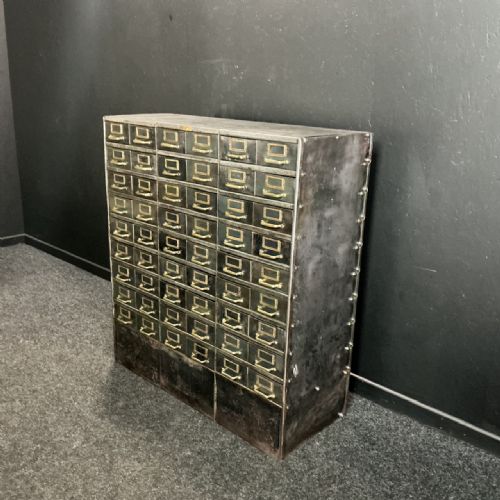
A retro storage unit encompasses diverse forms designed to organise domestic and workspace interiors, ranging from office filing cabinets and plan chests to display cupboards and sideboards. These pieces span multiple decades and styles, capturing the shift from early twentieth-century utilitarian designs to mid-century modern living.
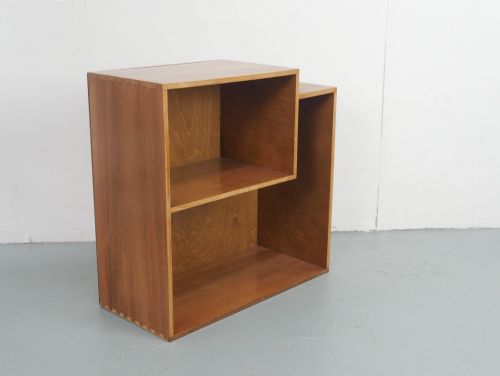
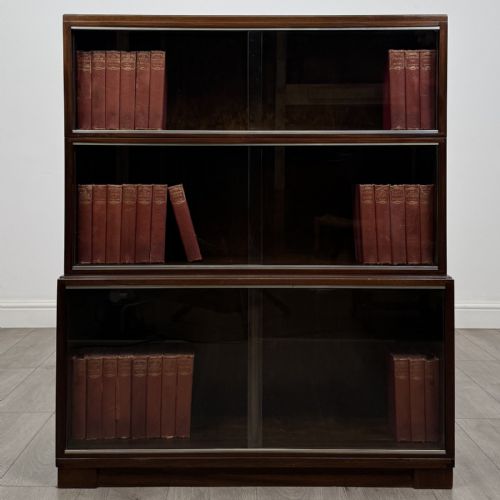
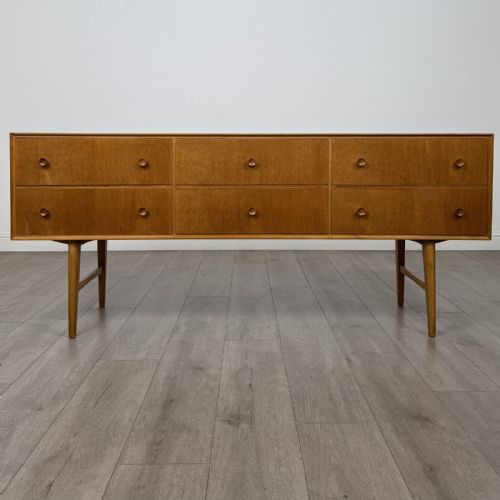
Buyers browsing this selection encounter oak tambour cabinets, teak bedside units and aluminium sideboards alongside mahogany bookcases and French utility filing furniture. The variety reflects historical periods from Edwardian times through the nineteen-fifties, with oak and teak dominating the structural forms.
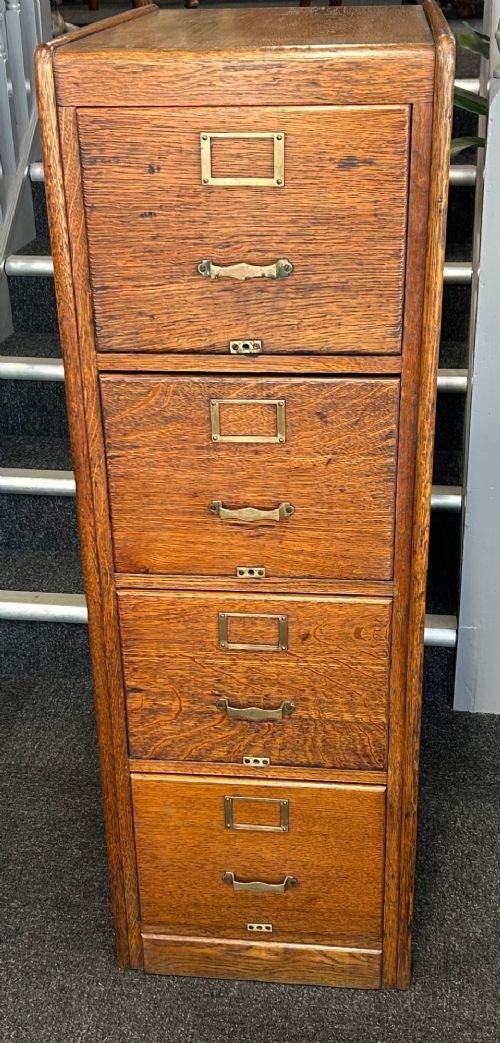
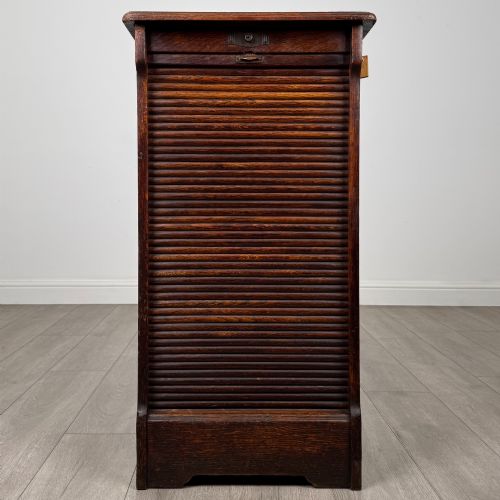
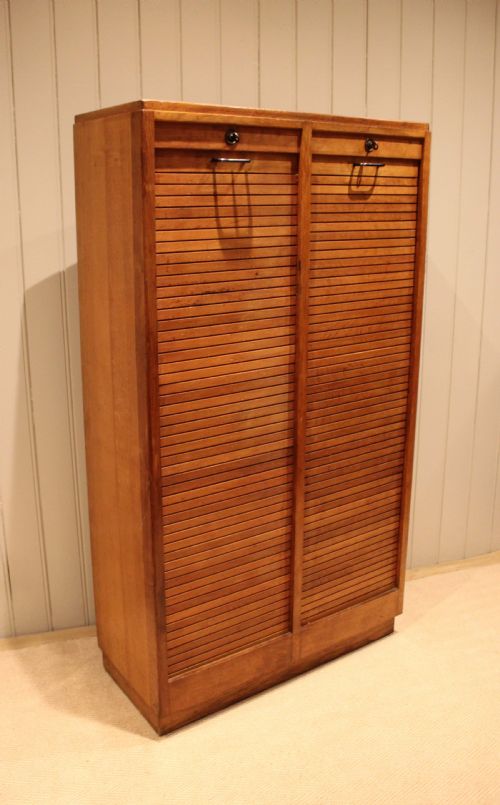
Functional pieces like office filing cabinets with roll-down wooden shutters sit alongside Art Deco wall cabinets and double-door display units. Each object serves a distinct storage purpose, whether holding files, books, or living room accessories.
Materials and construction methods
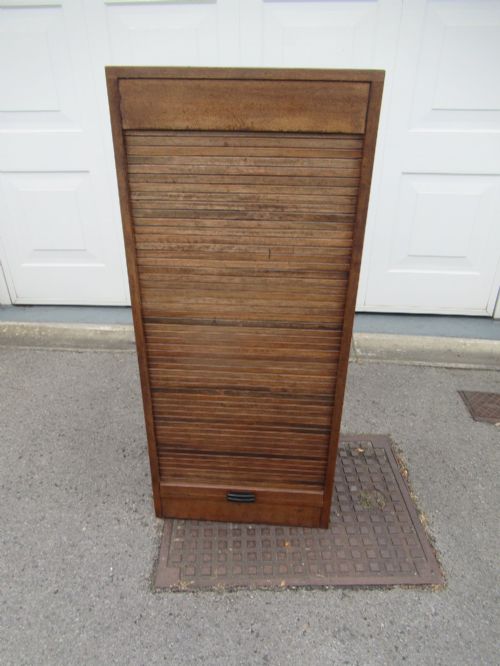
Tambour doors utilise narrow wooden slats glued to canvas backings, allowing the shutter to slide smoothly around curved housing tracks. Plan chests and filing cabinets employ traditional drawer joinery built to withstand heavy daily office use.
Retro Storage Unit Retail Price Guide 2026
Typical asking prices for retro storage unit among the pieces listed under this phrase on Sellingantiques today, from the lower quarter to the upper quarter. They describe what is for sale here now, not the wider market.
One listed cabinet carries an aviation-inspired aluminium finish straight out of an airman's imagination.
Factors that define quality
The distinction between ordinary and superior pieces rests on the selection of timber, the integrity of moving elements like tambour tracks and sliding doors, and the original maker's joinery execution. Solid oak and teak examples demonstrate greater structural resilience than veneered alternatives.
The precision with which mechanical elements operate, such as smooth drawer movement and aligned shutter slats, separates standard utility items from finer workshop production.
The Retro Storage Unit Glossary
- Tambour
- A flexible door or shutter formed of narrow wooden slats attached to canvas, allowing it to slide around a curved track. This mechanism is frequently found on office filing cabinets and desks from the early twentieth century.
- Plan chest
- A large, shallow chest of drawers specifically built for storing architectural drawings, maps, and large sheets of paper. These units offer exceptional depth and numerous wide drawers.
- Tambour front
- A slatted wooden closure that rolls open vertically or horizontally within recessed grooves. It conceals internal shelving while requiring zero clearance space for doors to swing outward.
- Breakfront
- A piece of furniture whose central section projects forward from the flanking sections. This architectural arrangement creates visual depth on bookcases and sideboards.
- Mid-Century Modern
- A stylistic movement spanning roughly from the mid-nineteen-thirties to the mid-nineteen-sixties, characterised by clean lines, functional forms, and the use of teak and light oak.
Retro Storage Unit: Frequently Asked Questions
How do I identify a mid-century piece?
Mid-century pieces typically feature clean geometric lines, minimal ornamentation, and exposed timber grains like teak and pale oak.
They often prioritise practical everyday utility without sacrificing architectural form.
Are filing cabinets suitable for home use?
Vintage office filing cabinets provide deep, robust drawers and compact footprints that fit easily into home studies or living spaces.
Their industrial construction ensures they easily handle heavy modern storage demands.
What woods were used in these units?
Cabinet makers relied primarily on durable hardwoods including oak, teak, and mahogany, frequently enhanced by wood veneers on larger flat surfaces.
Metal and aluminium also appear in industrial and Art Deco designs for structural framing and cladding.