

Retro Steel Timepiece
A retro steel timepiece brings mid-century engineering to the wrist through durable metal cases and mechanical movements.
Retro Steel Timepiece
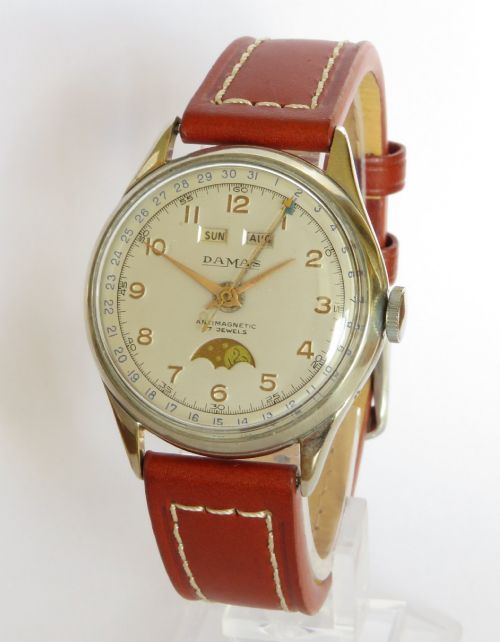
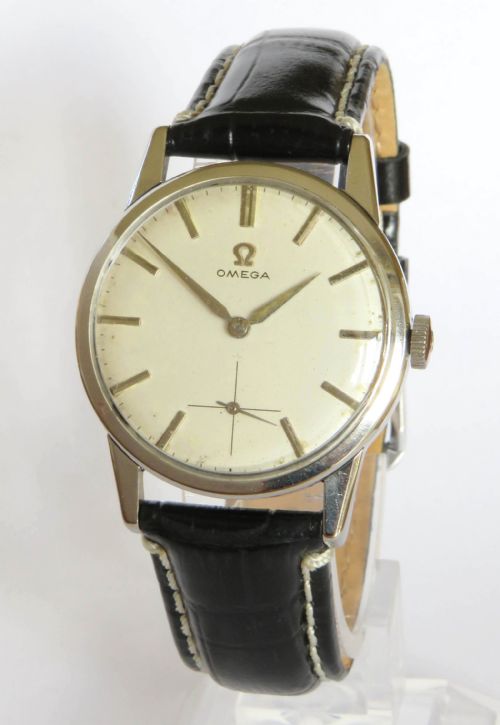
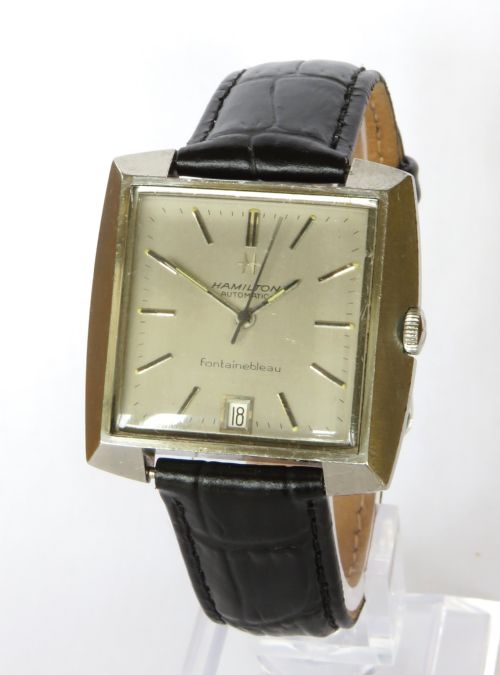
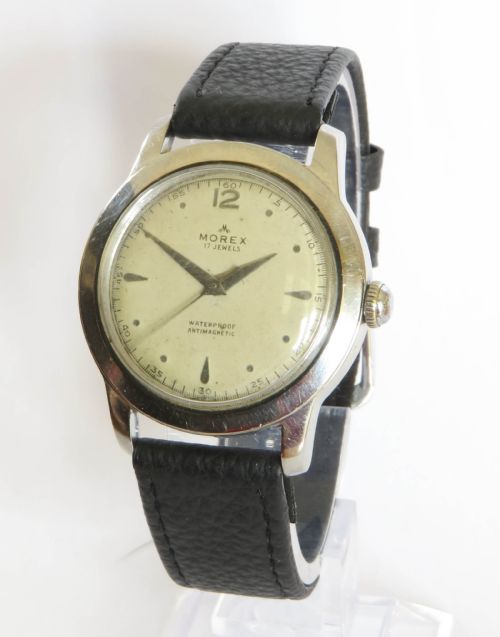
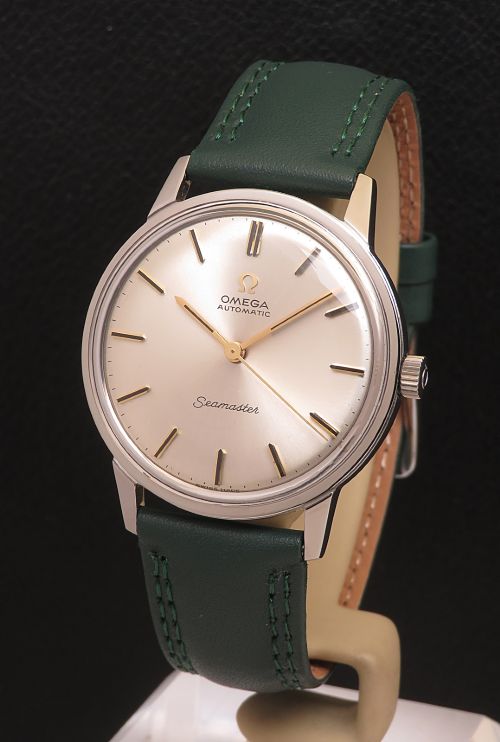
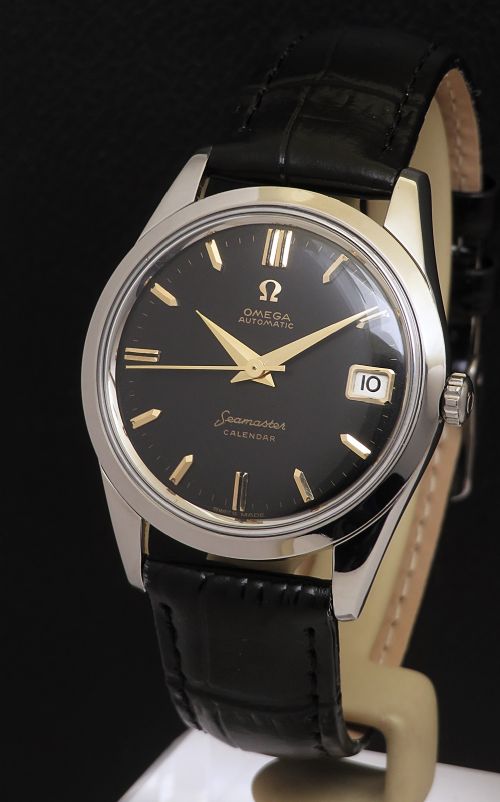
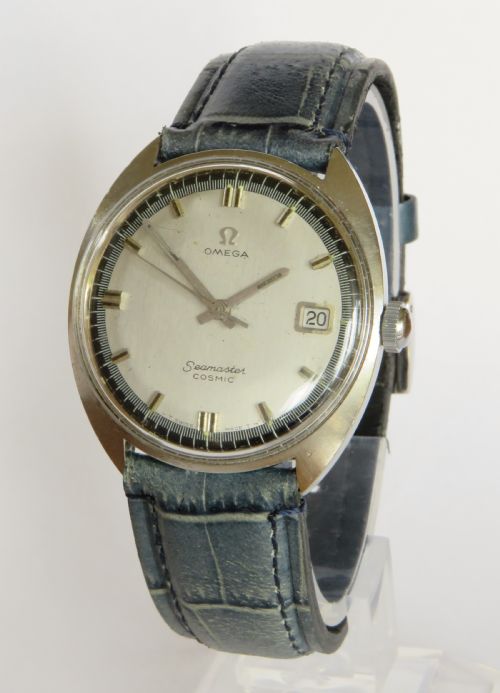
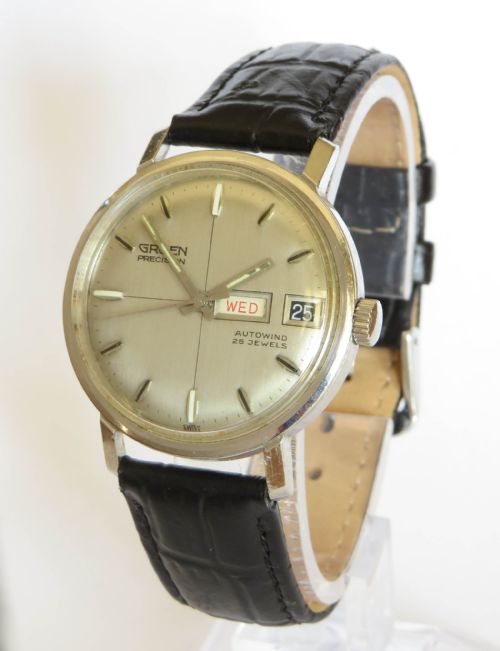
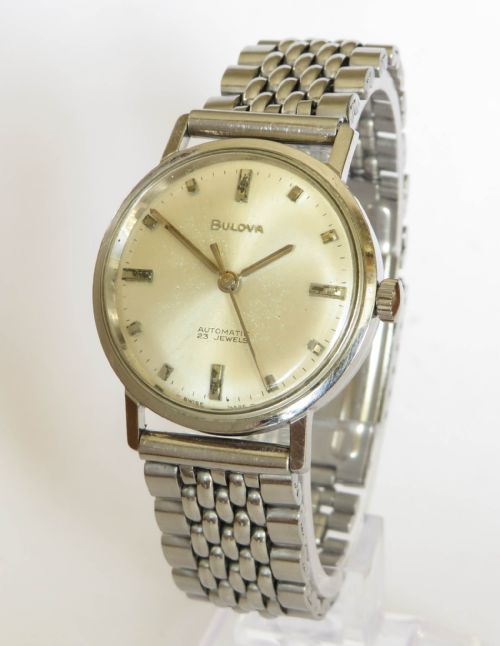
When you search for a retro steel timepiece, you encounter wristwatches spanning from the 1930s through the 1970s. The selection relies heavily on mid-century designs, particularly wrist watches housed in robust metal cases.
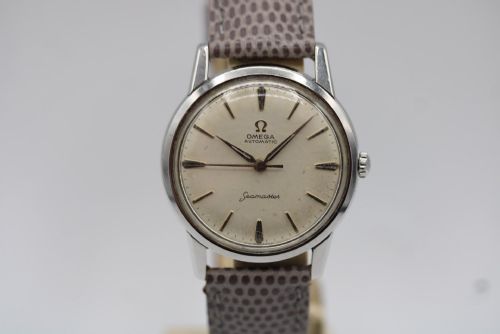
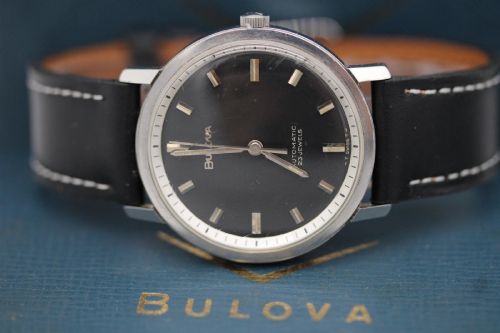
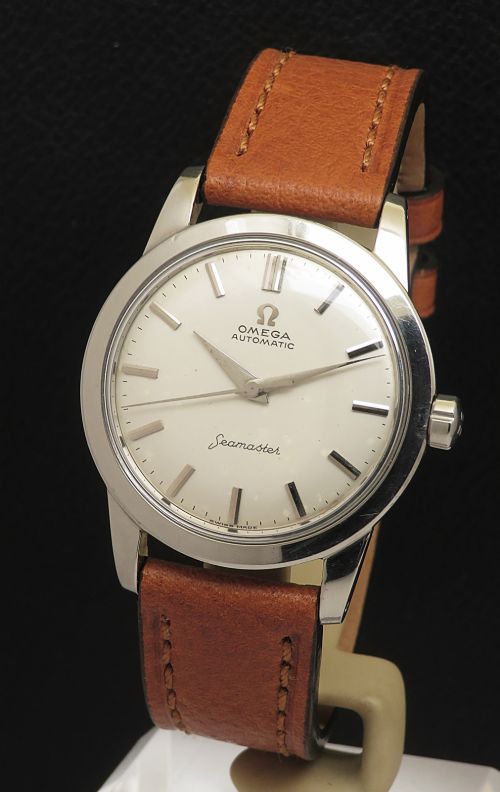
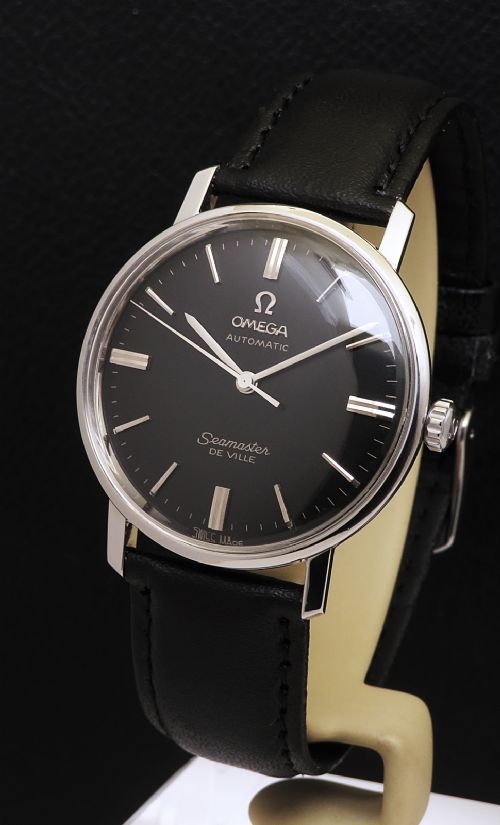
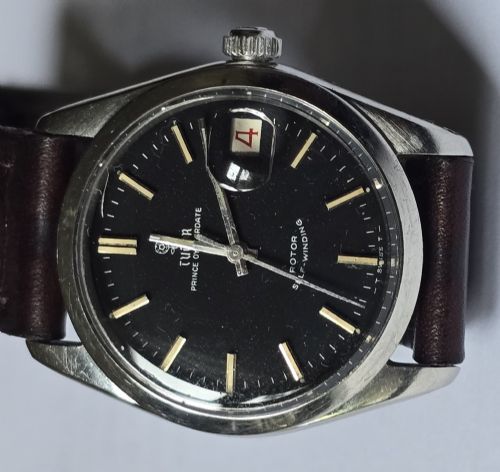
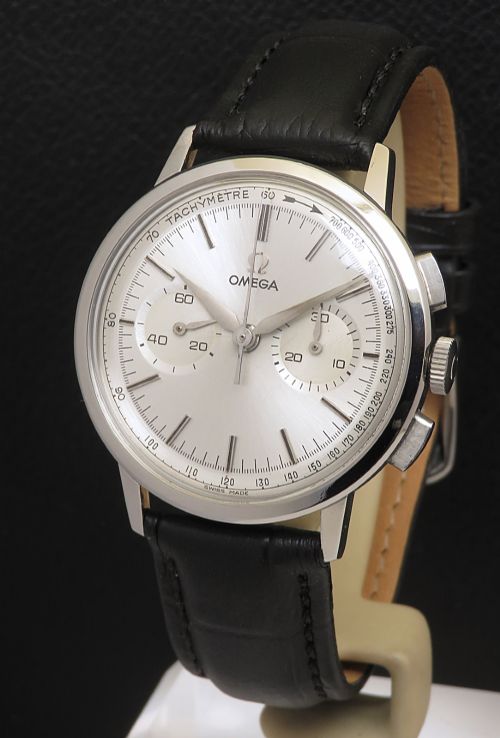
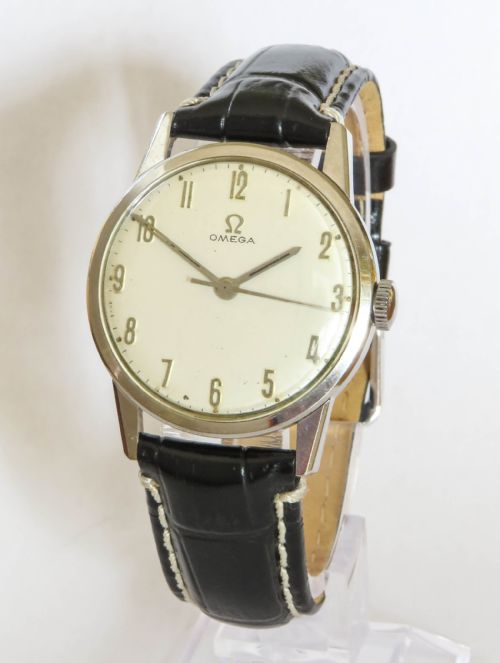
The most common form met here is the gents wrist watch originating from decades like the 1950s and 1960s. These pieces include automatic movements, chronographs, and calendar models from established watchmaking houses.
How they were made
Cases utilise stainless steel and chrome for structural durability, paired with protective glass and acrylic crystals over the dial. Leather straps frequently secure the watch to the wrist, completing the physical assembly.
Movements inside rely on intricate mechanical engineering, ranging from manual wind mechanisms to automatic self-winding calibres. Dial details are achieved through printing, applied markers, and textured finishes behind the glass.
Retro Steel Timepiece Retail Price Guide 2026
Typical asking prices for retro steel timepiece among the pieces listed under this phrase on Sellingantiques today, from the lower quarter to the upper quarter. They describe what is for sale here now, not the wider market.
Some watches come equipped with a 24-hour dial, designed for wearers who preferred not to confuse sunrise with sunset.
What varies in quality
Quality differences depend upon the originality of components and the preservation of the dial and case. Examples retaining their untouched factory dials and original signed crowns sit differently from those with replaced parts.
The precision and finish of the internal movement dictate the standard of execution. Fully serviced calibres demonstrate a higher degree of mechanical care than neglected mechanisms requiring extensive repair.
Bulova·Omega·Tudor·Hamilton·Seiko·Festina·Gruen·Longines·Enicar·Eterna·Girard Perregaux·Tissot·Smiths Empire
The Retro Steel Timepiece Glossary
- Calibre
- The specific internal mechanical movement manufactured for a watch model. This term identifies the exact design of the gear train and spring layout.
- Automatic
- A self-winding mechanical movement that uses a weighted rotor to tension the mainspring during normal wrist movement. It removes the need for daily manual winding.
- Chronograph
- A watch equipped with a stopwatch function alongside the standard time-displaying hands. Independent pushers start, stop, and reset the secondary sweep hands.
- Acrylic glass
- A lightweight synthetic material utilised for crystal covers over the dial during the mid-century period. It can be polished to remove surface scuffs.
- New old stock
- Unsold vintage inventory discovered in unworn condition from past decades. These pieces retain their original factory finish.
Retro Steel Timepiece: Frequently Asked Questions
How do I wind an automatic watch?
Automatic watches wind themselves through the natural motion of your arm while worn. You can also give the crown a few manual turns to start the movement if it has stopped.
Avoid overwinding vintage automatic mechanisms, as their internal slipping springs prevent mainspring breakage but still respond best to gentle handling.
Are these watches waterproof?
Vintage steel timepieces generally lack modern waterproof seals. Exposure to water can damage the dial and rust internal steel components.
Keep these wristwatches away from swimming, showers, and heavy rain to preserve the integrity of the movement and leather strap.
How do I tell a 1950s watch from a 1970s watch?
Design cues change across the decades, with 1950s models often featuring restrained round cases and subtle dials. By the 1970s, shapes turned bolder with tonneau cases and coloured dials.
Movement serial numbers and reference codes stamped inside the case back or on the calibre provide the exact production year.
Can I wear a vintage watch every day?
Many collectors wear mid-century steel wristwatches daily, provided the movement has been recently serviced by a professional. Regular maintenance keeps the gear lubrication fresh.
Treating the mechanical movement with care and avoiding physical impacts ensures the timepiece remains a reliable daily companion.