

Retro Lighting
Retro lighting brings character and period illumination to interiors, spanning floor lamps, pendants and desk lights from earlier decades.
Retro Lighting
Retro lighting encompasses pieces originating from the 19th century through the mid-20th century, covering styles such as Art Deco, Industrial, and Edwardian. When exploring retro lighting, table lamps, pendant lights, and floor lamps emerge frequently across the selection.
The objects span practical desk lamps, wall sconces, and substantial chandeliers. Pieces draw on designs from the 1920s and 1930s, alongside earlier Victorian and Edwardian examples.
Materials and Construction
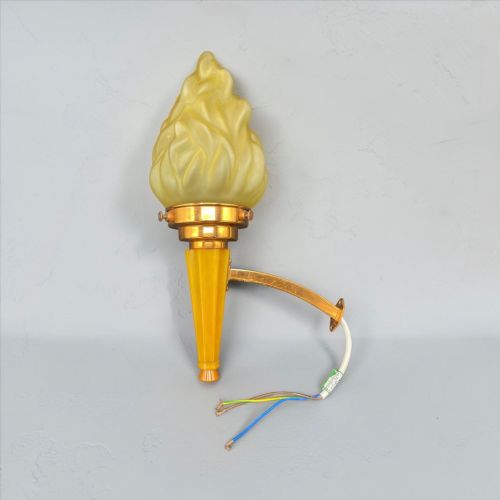
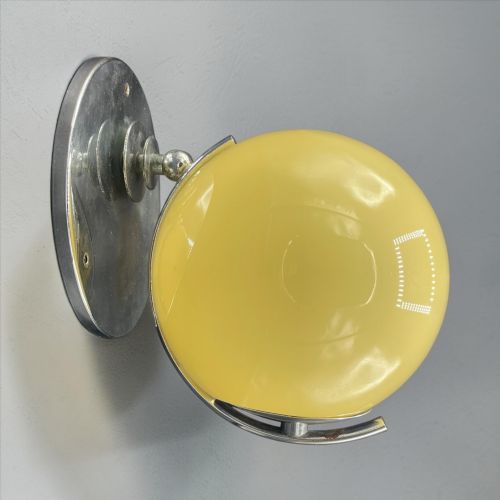
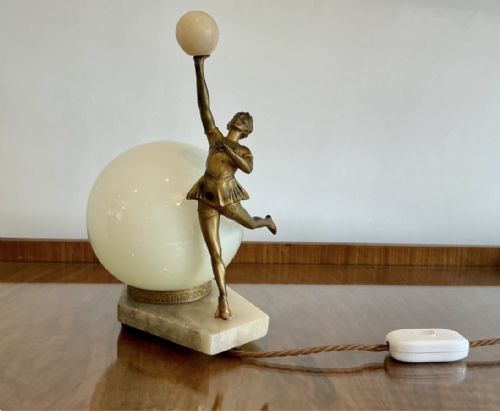
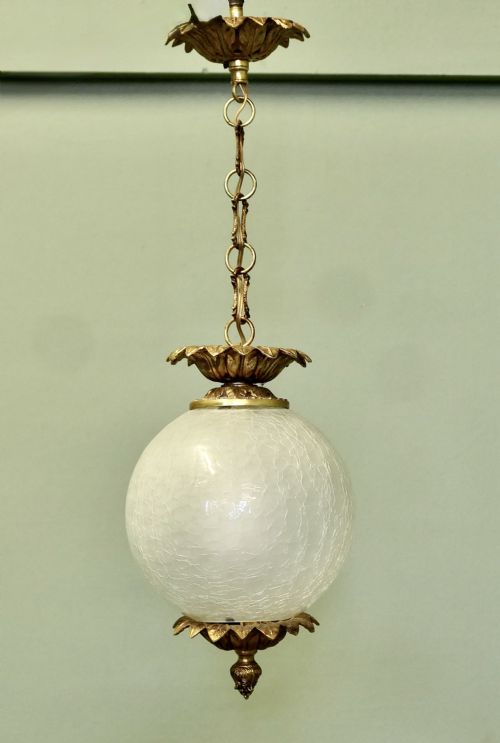
Construction relies on metals like brass, chrome, and copper, paired with glass components including frosted, mottled, and crackle finishes. Oak and sycamore timber feature in supporting elements, alongside fabric shades and solid marble bases.
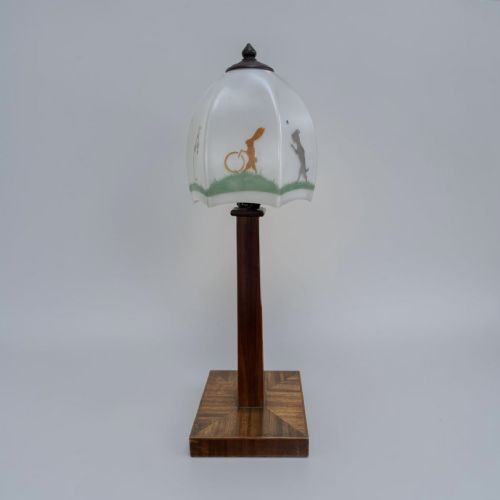
Makers utilised specialised techniques such as hand-painted glass shades and adjustable metal framework, evident in flexible desk lamps and weighted standard lamps.
Listings feature items spanning the 19th century through the 1950s, incorporating brass, oak, bakelite, and frosted glass.
Assessing Quality and Manufacture
Quality rests upon the weight of the metals, the clarity and finish of the glasswork, and the integrity of structural joins in timber or brass. Superior examples display careful detailing, such as hand-painted decoration and robust engineering in adjustable components.
The distinction between standard utility items and finer pieces lies in the sophistication of the design, the selection of premium materials like marble and alabaster, and the preservation of original elements.
Heals·Maison Bagues·Hille·VESTARAY·Herbert Terry
The Retro Lighting Glossary
- Art Deco
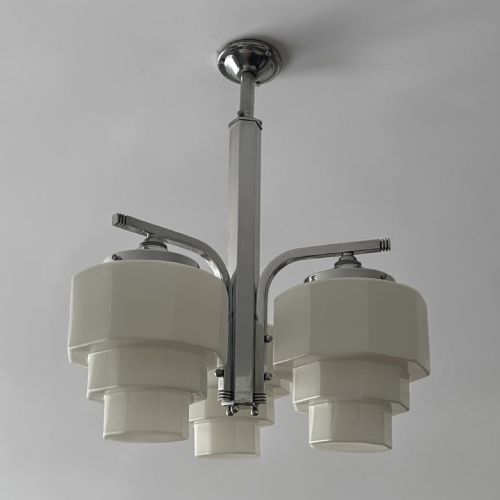
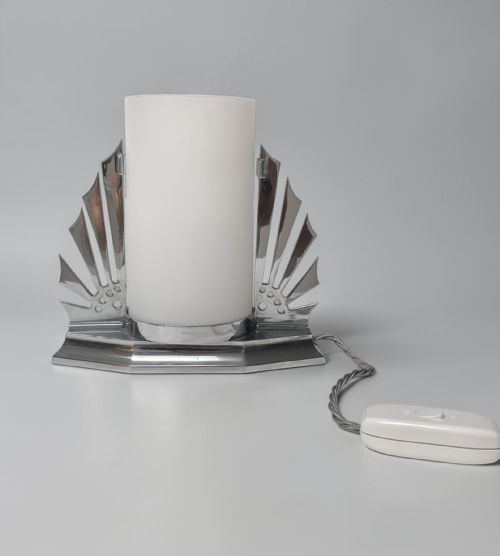
- A design style characterised by geometric symmetry, streamlined forms, and popular motifs from the 1920s and 1930s. It heavily influences the metalwork and glass shades found on lamps of this era.
- Pendant Light
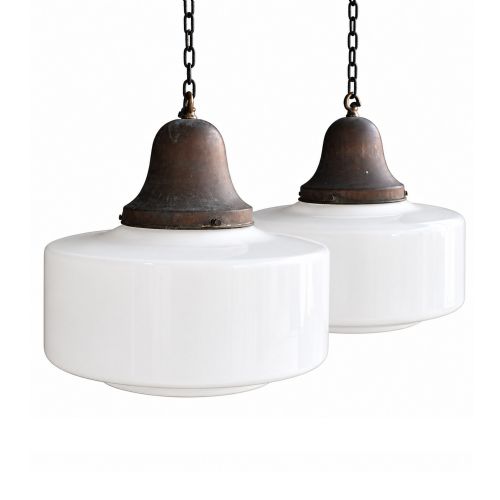
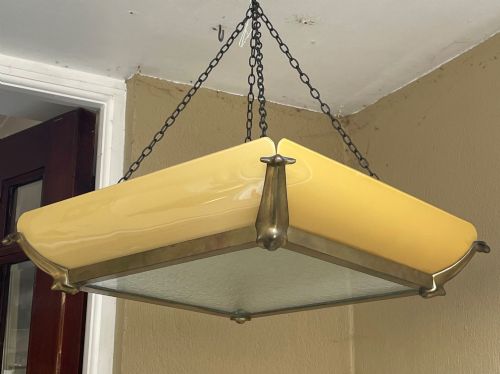
- A hanging light fixture suspended from the ceiling by a cord, chain, or metal rod. These units frequently utilise glass globes or metal shades to direct illumination downwards.
- Standard Lamp
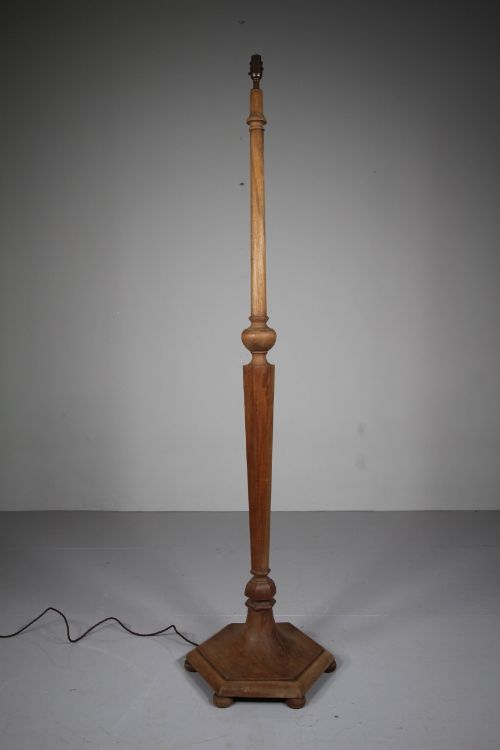
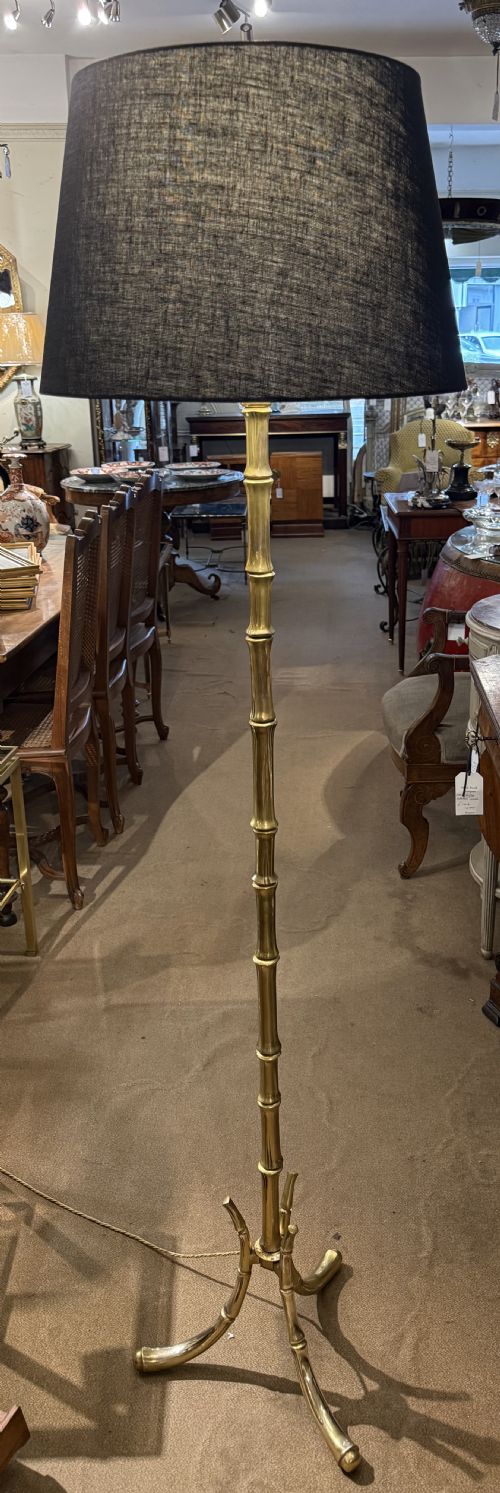
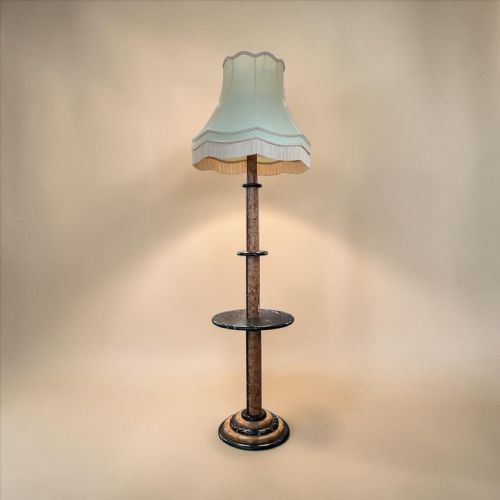
- A tall floor-standing lamp designed to provide ambient room illumination. They often incorporate heavy bases of marble or timber to maintain stability.
- Holophane
- A brand of scientific glassware engineered to bend and diffuse light efficiently. It appears in industrial and commercial pendant fittings from the early twentieth century.
- Alabaster
- A fine-grained, translucent stone used for carved lamp bases and shades. It diffuses a soft, even glow when illuminated from within.
Retro Lighting: Frequently Asked Questions
How do I date retro lighting pieces?
Dating relies on stylistic markers, construction methods, and materials typical of specific decades like the 1920s or 1930s. Examining electrical components, switches, and maker marks helps narrow the period.
Art Deco geometric motifs and chrome plating point towards the interwar years, while heavy brass and oil mechanisms suggest Victorian or Edwardian origins.
Are these lamps wired for modern use?
Many vintage lamps undergo rewiring to meet contemporary safety standards while retaining their original exterior appearance. Specific pieces retain original cords or require professional safety checks before installation.
Checking the internal wiring ensures compatibility with standard UK bulb fittings and household circuits.
Where were pendant lights typically used?
Pendant lights served functional roles in domestic kitchens, hallways, and commercial workshops during the early twentieth century. Larger multi-light chandeliers and church lights illuminated expansive public spaces and high-ceilinged rooms.
Industrial variants provided focused illumination over work surfaces and machinery.
How do I clean antique glass shades?
Glass shades require gentle cleaning with warm soapy water and a soft cloth to preserve delicate painted surfaces or frosted textures. Abrasive cleaners risk scratching crackle glass or removing hand-painted details.
Careful handling prevents damage to vintage fittings, particularly around threaded galleries and fragile rims.