
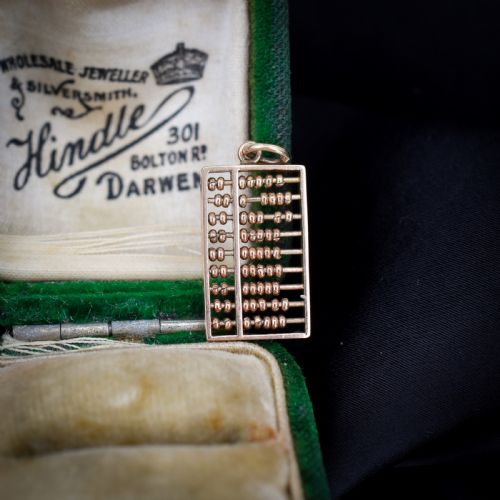

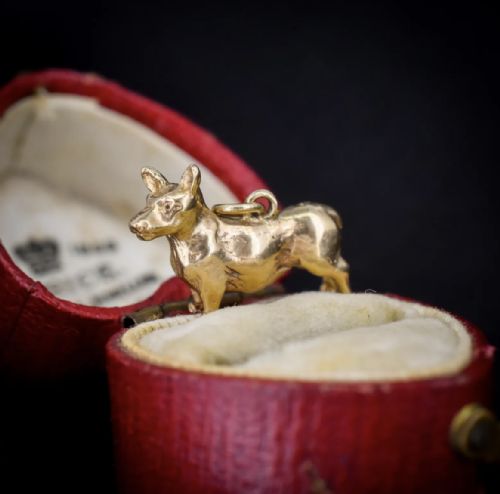


Retro Gold Pendant
A retro gold pendant brings together mid-century charm and bright yellow or white precious metal, offering an eye-catching statement piece for daily wear.
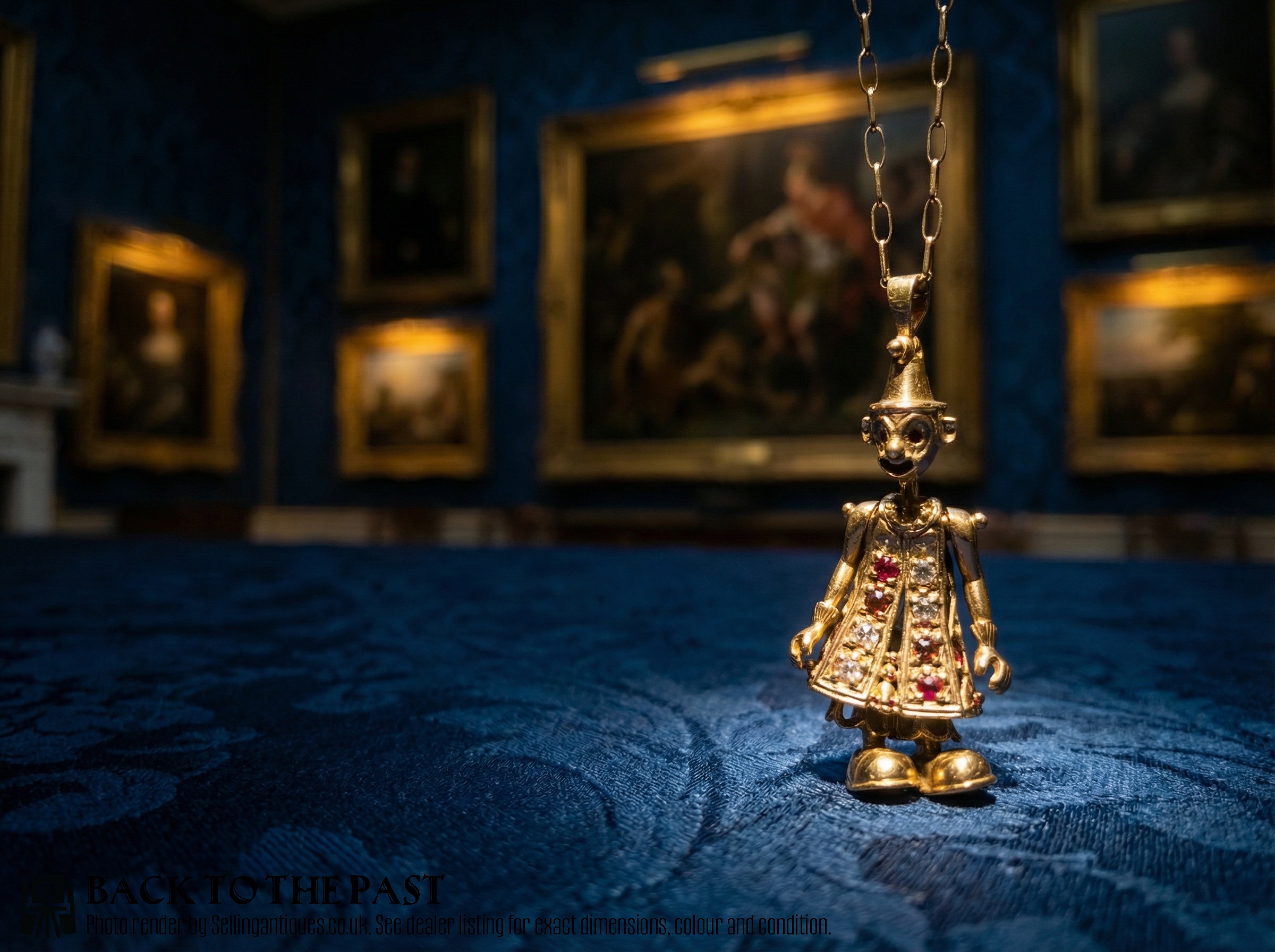
Retro Gold Pendant
A retro gold pendant is a decorative jewel worn suspended from a chain, drawing on mid-century designs alongside earlier Victorian, Edwardian, and Art Deco influences. Buyers searching this phrase will find a wide variety of forms, ranging from figural charms and lockets to substantial gemstone drops.
The pieces appearing on this page span the 1910s through the 1960s, with a strong representation of mid-century aesthetics including French, Italian Florentine, and British styles. Yellow gold dominates the selection, frequently paired with distinctive white gold alternatives or gilt metal settings.
Many examples double as charms, depicting playful animals, zodiac signs, and miniature objects, while others showcase large aquamarines, opals, and rubies. This variety ensures that every piece carries a distinct character shaped by its specific decade of origin.
How they were made
These items utilise various grades of gold, predominantly 9ct, 14ct, and 18ct yellow or white gold, alongside occasional gilt metal. Metalworkers shaped these precious materials into hollow or solid charms, geometric frames, and intricate link chains.
Gemstones such as diamonds, aquamarines, opals, and rubies are integrated into the designs through claw settings, flush mounting, or detailed pave work. Enamel details and coral carvings also appear, adding splashes of colour and texture to the metallic structures.
Among the miniature charms on offer, a tiny red enamel dice waits to roll a lucky number for its next owner.
What varies in quality
The calibre of the set stones heavily dictates the standard of the piece, particularly with large aquamarines or clean diamonds. Finer examples display meticulous hand-carving, crisp enamel work, and clear hallmarks that verify their period origin.
C'est Laudier·Perroud·Augis·Merrin
The Retro Gold Pendant Glossary
- Charm
- A small trinket attached to a bracelet or worn as a pendant, frequently taking a figurative shape such as an animal or vehicle. These often commemorate personal hobbies or milestones.
- Solitaire
- A single gemstone set on its own in a piece of jewellery. This setting focuses attention entirely on the qualities of the main stone.
- Paste
- Hand-cut glass used to imitate precious gemstones in antique jewellery. It was frequently utilised in mid-century and earlier designs for vivid colour.
- Hallmark
- An official stamp applied to precious metals indicating purity and origin. These marks help verify the material standard of gold items.
Retro Gold Pendant: Frequently Asked Questions
What periods do these pendants come from?
The selection includes pieces from the Edwardian era and Victorian times, alongside significant numbers from the 1920s, 1930s, 1940s, 1950s, and 1960s.
Mid-century designs heavily influence the range, reflecting stylistic shifts across Britain, France, and Italy.
What materials are used in these pieces?
Items utilise 9ct, 14ct, 18ct, and 22ct yellow or white gold, alongside occasional gilt metal mounts. Gemstones such as aquamarine, diamond, opal, ruby, and tourmaline frequently feature.
Additional elements like enamel, coral, and glass paste also appear across various charms and lockets.
How were these charms worn originally?
Many items functioned as both charms and pendants, suspended from charm bracelets or hung from fine gold chain necklaces. Their versatile loops allowed owners to interchange them easily.
Figural designs often served as personal amulets or conversation pieces reflecting the wearer's interests.
How can I tell the age of a gold pendant?
Official hallmarks stamped onto the metal often reveal the assay office, metal purity, and a date letter corresponding to a specific year. Stylistic cues such as mid-century motifs or Art Deco geometry also point to the correct era.