


Retro Gold Necklace
A retro gold necklace brings together bold mid-century design, warm yellow metals, and distinctive gem-set focal points.
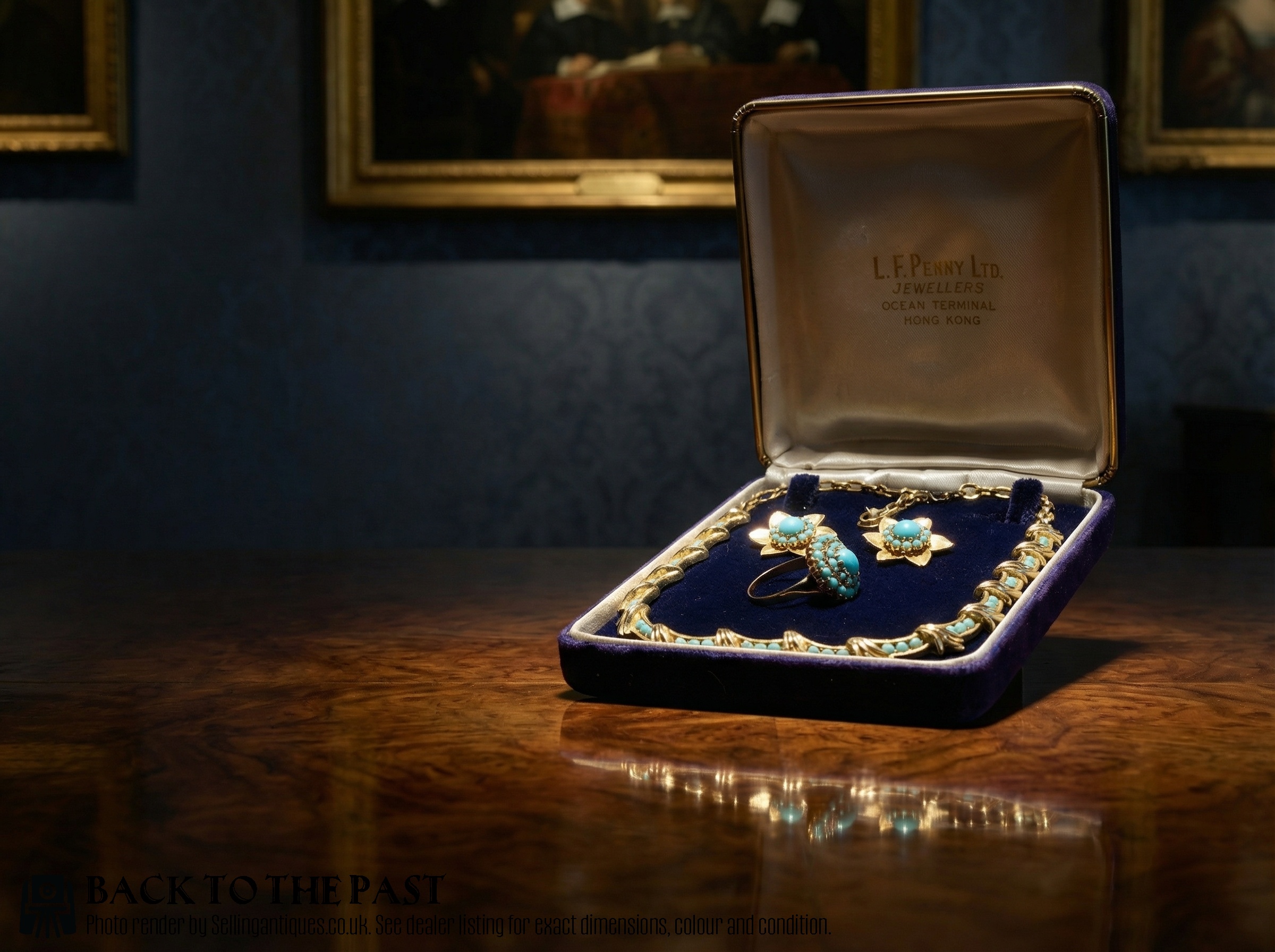
Retro Gold Necklace
A retro gold necklace encompasses statement pieces originating primarily from the mid-century decades alongside earlier Victorian, Edwardian, and Art Deco examples. Buyers searching this phrase encounter substantial gold chains, jewelled pendants, and elaborate clasps.
The selections span structured yellow gold link designs, zodiac medallions, and gem-encrusted pendants incorporating diamonds, pearls, and coloured stones. Many pieces highlight French craftsmanship and mid-century modern styling.
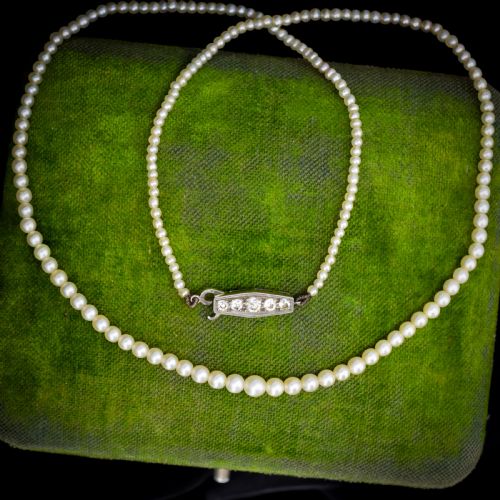
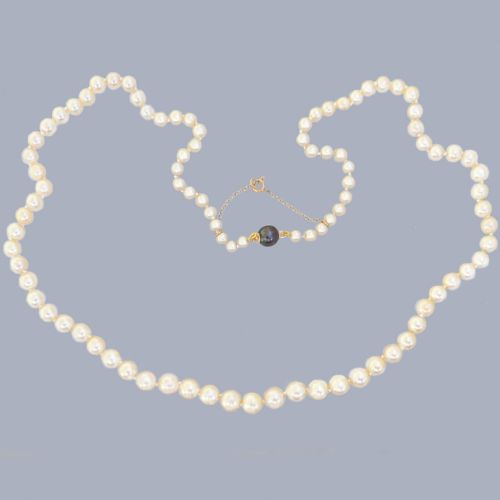
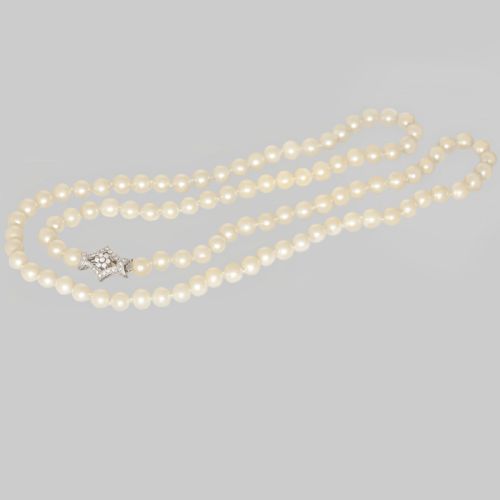
Forms range from simple gold chains to complex multi-stone pendants and beaded strands secured with precious clasps. These works reflect the bold aesthetic shifts of the nineteen-forties and nineteen-fifties.
Materials and Technique
Craftsmen utilised yellow and white gold in fourteen-carat and eighteen-carat purities to construct flexible chains, rigid collars, and sculptural pendants. Gemstones including aquamarine, opal, ruby, and tourmaline are integrated directly into the metalwork or suspended as focal charms.
Techniques combine traditional casting and hand-finished link construction with intricate stone settings. Pearls are strung alongside gold clasps, whilst zodiac charms and figural pendants demonstrate detailed carving and mounting.
Assessing Quality and Execution
Superior examples demonstrate substantial weight in the gold work alongside precise stone matching, particularly in large multi-carat aquamarine, opal, and diamond arrangements. The execution of articulated links and secure, decorative clasps distinguishes finer pieces.
Design complexity and origin add distinction, with signed French pieces and elaborate figural or zodiac motifs showing superior artistic vision. The integration of certified gemstones and harmonious colour palettes elevates the standing of individual pieces.
C'est Laudier·Perroud
The Retro Gold Necklace Glossary
- Retro
- A design style spanning the nineteen-forties and nineteen-fifties characterised by heavy yellow gold, bold geometric shapes, and colourful gemstones. It reflects the post-war shift towards expressive and sculptural jewellery.
- Pendant
- A hanging ornament suspended from a chain or collar. These often feature prominent central gemstones such as opals, aquamarines, or carved stones.
- Cultured Pearl
- A pearl formed with human assistance by placing an irritant inside an oyster or mollusc. They frequently appear in multi-strand configurations with decorative gold clasps.
- Zodiac Medal
- A medallion pendant depicting astrological signs, often rendered in yellow gold with diamond accents. These pieces were particularly popular during the mid-century period.
- Draperie
- A French jewellery style mimicking fabric folds and ribbons in soft gold. This technique creates fluid movement across the collarbone.
Retro Gold Necklace: Frequently Asked Questions
What periods do these necklaces come from?
The selection includes pieces spanning the nineteenth century, Edwardian era, Art Deco period, and the nineteen-forties, nineteen-fifties, and nineteen-sixties.
Mid-century modern and retro styles dominate the offerings, alongside occasional earlier Victorian and Edwardian works.
What materials are used in these pieces?
Constructions utilise fourteen-carat and eighteen-carat yellow and white gold, paired with gemstones such as diamonds, pearls, aquamarines, rubies, opals, and turquoises.
Additional materials include coral, amethyst paste, sapphires, and emeralds set into sculptural mounts and chains.
How do I style a retro gold necklace?
These statement pieces work well against simple necklines that allow the bold gold links or large gem-set pendants to remain the focus.
Heavier collars and multi-strand pearl necklaces can be worn as standalone accessories for evening wear or formal occasions.
Are these necklaces signed by makers?
Certain pieces feature maker signatures or French hallmarks stamped directly onto the gold mountings or clasps.
Specific works highlight documented designers and Parisian workshops from the mid-century decades.