





Retro Glass Mirror
A retro glass mirror brings distinct period character to a room, combining reflective surfaces with materials like brass, chrome and velvet.
Retro Glass Mirror
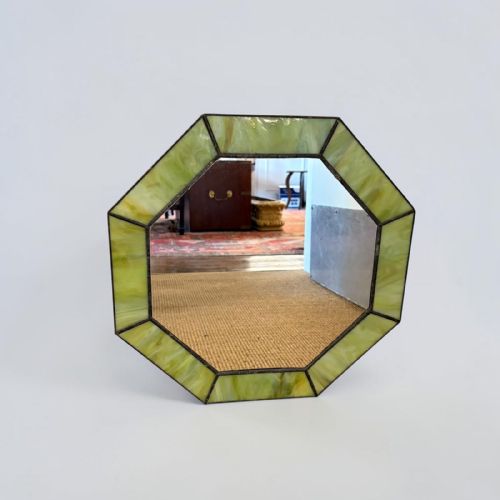
When you search for a retro glass mirror, you encounter a selection spanning the late nineteenth century through to the Art Deco and Mid-Century periods. The offerings include wall mirrors, vanity mirrors, and drinks trays that demonstrate period craftsmanship and distinct decorative styles.
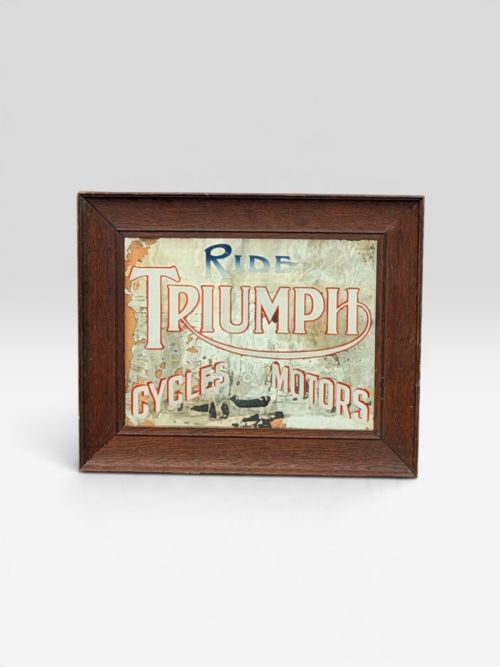
The version you are most likely to meet on this page is the Art Deco wall mirror or tray from the 1930s, often featuring cut glass, etching, or combined clock movements. These pieces reflect the popular aesthetics of their respective decades, ranging from Victorian velvet frames to Edwardian commercial items.
How they were made
Makers utilised mirrored glass alongside structural elements of wood, brass, and chrome to construct these items. Techniques such as etching and bevelling the glass surface appear frequently across the pieces.
Support structures often incorporated velvet coverings, metal frames, or silver plating to house the glass plates securely. Mechanical components were also integrated into functional items like mantel clocks and adjustable vanity mirrors.
Retro Glass Mirror Retail Price Guide 2026
Typical asking prices for retro glass mirror among the pieces listed under this phrase on Sellingantiques today, from the lower quarter to the upper quarter. They describe what is for sale here now, not the wider market.
Listings feature items from the Victorian period through to the 1930s, utilising glass, brass, chrome, and velvet.
What varies in quality
The standard of an item depends upon the precision of the glass cutting and the integrity of the secondary materials such as brass and chrome. Finishes on metalwork and the clarity of the mirror plate distinguish finer examples from standard production.
Construction details, including the complexity of etched designs and the durability of easel backs or wall mountings, indicate the level of care taken during manufacture.
The Retro Glass Mirror Glossary
- Art Deco
- A design style characterised by sleek geometric shapes and stylised motifs, prominent during the 1920s and 1930s. It influences much of the glassware and metalwork found in this category.
- Venetian
- A style of glasswork often featuring intricate cuts, applied decoration, or shaped mirror plates. This technique produces highly ornamental reflective surfaces.
- Easel mirror
- A tabletop mirror supported by a hinged rear stand for angled viewing. These pieces often serve vanity or dressing table functions.
- Mirrored glass
- A reflective glass sheet used as the primary surface or decorative panel in trays, clocks, and wall mirrors. It forms the core visual element of these objects.
Retro Glass Mirror: Frequently Asked Questions
What is a retro glass mirror tray?
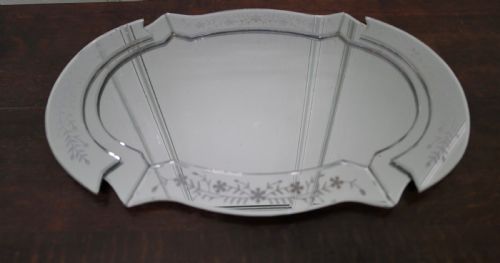
A mirrored tray is a decorative serving piece featuring a glass base set within a metal or wooden frame. They were commonly used for drinks or vanity items.
These pieces combine functional utility with reflective surfaces characteristic of the Art Deco period.
How do I date an Art Deco mirror?
Dating relies on stylistic markers such as geometric cuts, stepped frames, and associated materials like chrome or brass. Most pieces date from the 1920s and 1930s.
Examining the construction methods of the backing and fixings provides further clues to the period of origin.
Where were vanity mirrors placed?
Vanity mirrors sat upon dressing tables or sideboards to assist with personal grooming. Easel backs allowed users to adjust the viewing angle.
Their portable nature meant they were produced in various sizes and materials, including velvet frames.
Are mirror clocks functional timepieces?
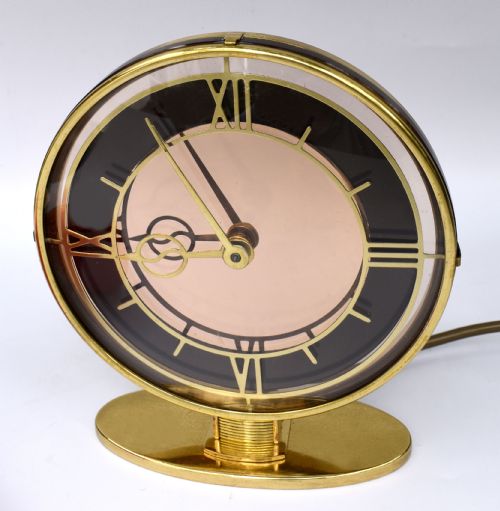
Mirror clocks incorporate mechanical clock movements directly into a mirrored glass housing. Many feature eight-day movements or chiming mechanisms.
They served both decorative and practical purposes in domestic interiors of the early twentieth century.