


Retro Glass Hanging Shade
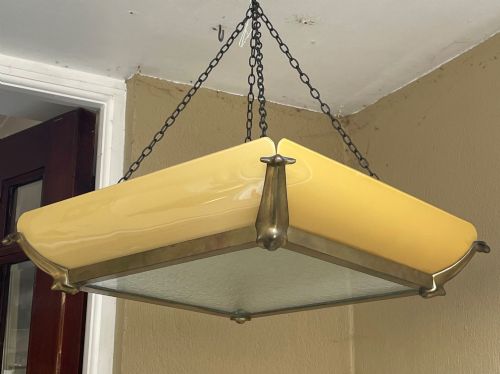
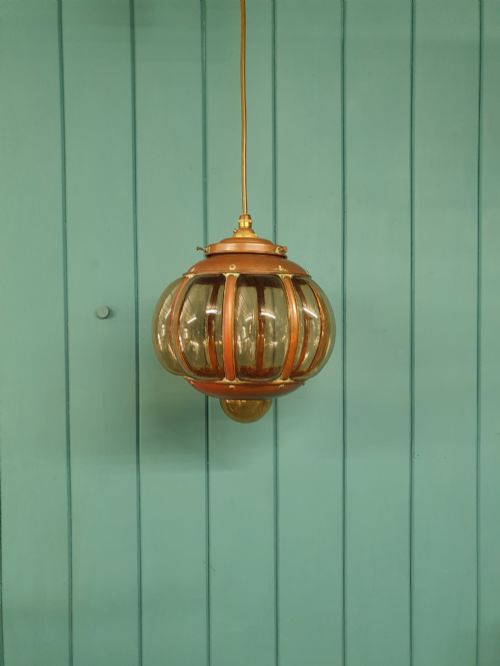
A retro glass hanging shade brings immediate architectural character overhead, filtering light through textured, opaline, or coloured glass plates.
Retro Glass Hanging Shade
A retro glass hanging shade serves as an overhead lighting fixture suspended from ceilings by chains, cords, or metal rods. These fixtures illuminate spaces while acting as focal decorative elements within a room.
Buyers encounter items originating from periods spanning the Edwardian era through the nineteen-forties. Art Deco designs from nineteen-thirty heavily populate the selection alongside nineteen-twenty pieces.
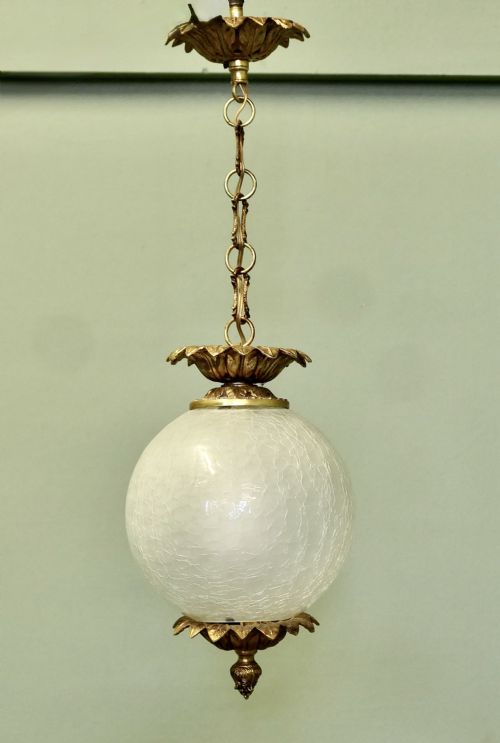
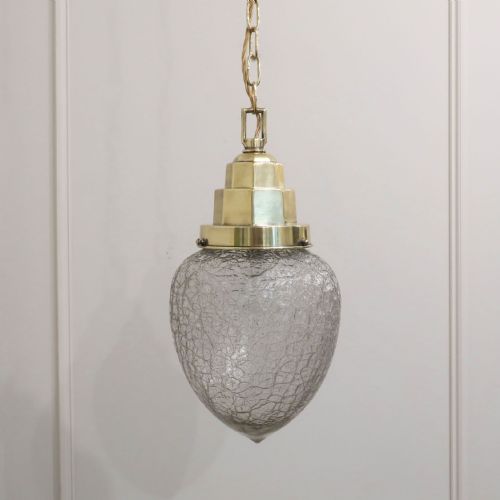
Forms include single pendant lights, globes, plafonniers, and small chandeliers. Materials encompass opaline, crackle, frosted, and smoked glass paired with metal galleries.
Materials and construction
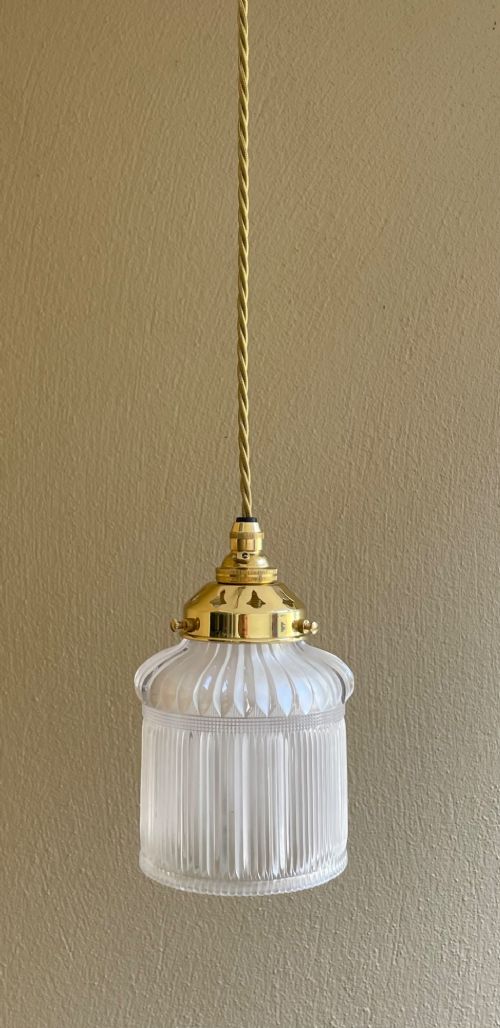
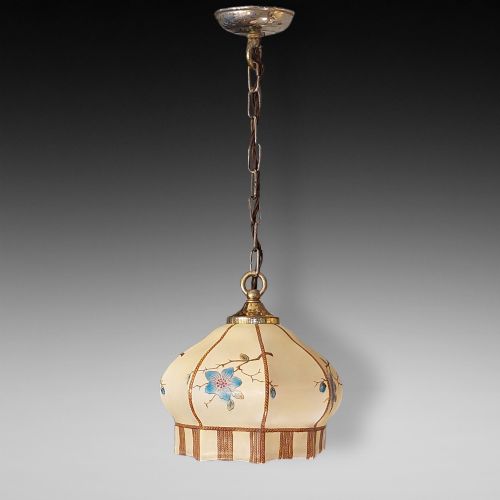
Glass production utilises moulding, hand-painting, and pressing techniques to create distinctive textures such as fish scale patterns, reeded designs, and prismatic ribs. Makers often shaped opaline and crackle variants to diffuse illumination effectively.
Metal components like brass, copper, chrome, and standard metal form the galleries, holders, and suspension chains. These elements secure the glass shades while providing structural integrity to the ceiling lights.
Fish scale patterns cast delightful, shimmering scales of light across your ceiling.
Assessing quality
The weight and thickness of the glass distinguish simpler items from superior examples, with dense opaline or heavily moulded shades offering greater substance. The complexity of the glass surface treatment, such as intricate crackle effects or hand-painted details, marks a higher grade of craftsmanship.
Metalwork quality shows in the finishing of the brass, copper, or chrome galleries that hold the shade. Heavier metal castings and precise joins indicate better manufacturing standards than thin, pressed sheet metal fittings.
Jean Gauthier·Holophane
The Retro Glass Hanging Shade Glossary
- Opaline glass
- A milky, semi-translucent glass that diffuses light softly without glaring. It appears frequently in nineteen-twenty and nineteen-thirty pendant fixtures.
- Gallery
- The metal collar or ring that grips the top of the glass shade and connects it to the suspension wiring. Galleries come in brass, chrome, and copper.
- Plafonnier
- A ceiling-mounted or close-hanging light fixture featuring a glass bowl held flush or near the ceiling. This style gained popularity during the Art Deco period.
- Prism
- Cut or moulded glass designed to refract and scatter light rays across a room. These elements often appear on chandeliers and prismatic pendant shades.
- Holophane
- A specific type of ribbed prismatic glass engineered to control and distribute light efficiently. These functional shades are widely recognised in industrial and period interiors.
Retro Glass Hanging Shade: Frequently Asked Questions
How do I hang a heavy glass pendant?
Hanging a heavy glass pendant requires securing the ceiling rose directly into a ceiling joist or using appropriate toggle anchors. The weight of the glass shade and metal gallery demands proper structural support rather than relying solely on plasterboard.
Consulting a qualified electrician ensures the wiring safely supports the fixture's weight and meets current safety standards. Adjust the chain or cord length before final connection to achieve the desired hanging height.
What rooms suit an Art Deco glass shade?
Art Deco glass shades suit hallways, dining spaces, and bedrooms where ambient or downward task lighting is desired. Their geometric forms and milk glass surfaces complement period properties and modern interiors alike.
Lower ceilings benefit from flush plafonnier designs, while hallways accommodate single pendant lights well. The diffused glow from opaline glass creates a welcoming atmosphere in transition spaces.
How do I clean vintage opaline glass?
Clean vintage opaline glass using warm water and mild dish soap with a soft sponge. Avoid harsh chemical cleaners or abrasive scouring pads that can damage the delicate surface of older glass.
Dry the shade thoroughly with a lint-free microfiber cloth to prevent water spots. Take care when handling heavy or textured shades near hard sinks during the cleaning process.
Can I use modern LED bulbs?
Modern LED bulbs work well inside vintage glass shades, provided the bulb wattage does not exceed the vintage fitting's heat limits. LEDs produce less heat than traditional incandescent bulbs, protecting older wiring and glass components.
Select warm white LED bulbs to replicate the soft, inviting glow originally intended for these period fixtures. Check the physical dimensions of the bulb to ensure it fits comfortably inside enclosed globes or smaller shade galleries.