
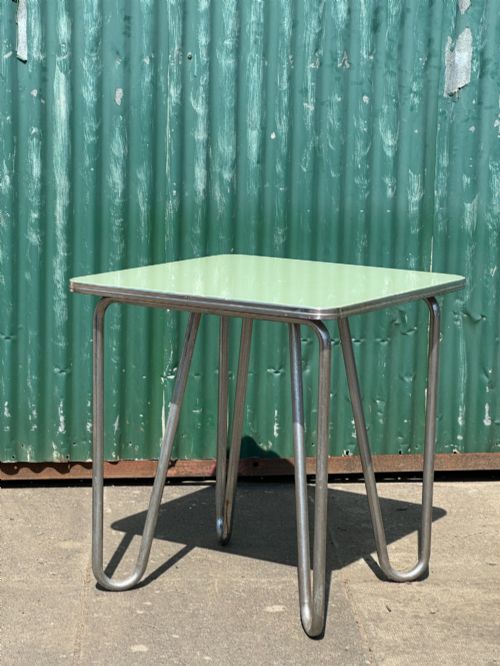


Retro End Table
A retro end table brings compact mid-century character and practical surface space to any room.
Retro End Table
A retro end table encompasses compact surfaces designed for placement beside seating or beds, spanning occasional tables, bedside cabinets, and lamp tables. These pieces draw from twentieth-century design movements including Art Deco and Hollywood Regency.
Buyers meet examples originating predominantly from the 1930 period, alongside Edwardian and 1920 designs. Forms range from single-tier lamp tables to multi-tiered occasional furniture.
Materials span walnut, teak, oak, brass, glass, and chrome, reflecting the modernist shift toward mixed media. Side tables and bedside units dominate the selection currently listed.
Materials and construction methods
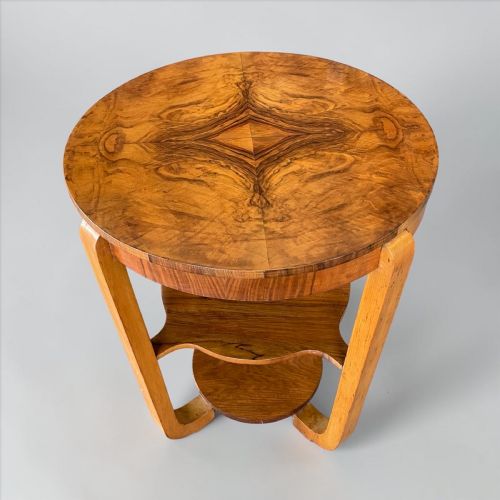
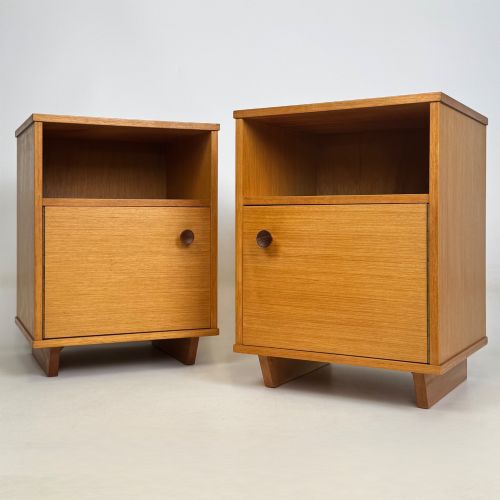
Construction relies heavily on traditional timbers such as walnut, teak, and oak, often paired with decorative veneer work. Wood components are frequently shaped into multi-tiered structures or geometric silhouettes.
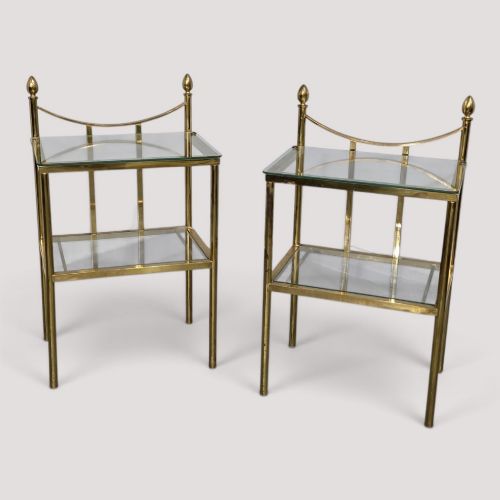
Modernist pieces incorporate industrial elements like tubular chrome and plate glass, alongside brass detailing. These materials combine to create lightweight, functional frames typical of the 1930 period.
Listings feature items from the 1930, 1920, and Edwardian periods, constructed in walnut, teak, oak, brass, glass, and chrome.
Distinctions in quality
Quality rests in the sophistication of material combination, such as contrasting walnut and maple veneers or precision chrome framing. Finer examples display deliberate architectural forms rather than basic utilitarian shapes.
The integration of mixed media, including fitted glass tops and cast brass accents, separates standard production from exceptional design work of the period.
Oliver Percy Bernard
The Retro End Table Glossary
- Art Deco
- A design style characterised by sleek geometric shapes, streamlined forms, and modern industrial materials popular in the 1930s.
- Occasional table
- A small, movable table designed for specific, intermittent use such as holding a lamp or book.
- Veneer
- A thin layer of superior wood applied over a base timber surface to create decorative grain patterns.
- Modernist
- An aesthetic movement prioritising function, clean lines, and the honest expression of materials over ornate decoration.
Retro End Table: Frequently Asked Questions
What defines a retro end table?
A retro end table is a compact surface piece typically dating from the early to mid-twentieth century. These items include lamp tables, bedside cabinets, and small occasional tables.
They reflect historical design movements such as Art Deco and the Arts and Crafts style, utilising materials ranging from traditional oak to industrial chrome.
How do I use one at home?
These tables function well beside armchairs, sofas, or beds to hold lighting, books, and small decorative objects. Their compact footprints suit smaller spaces.
Multi-tiered versions offer additional surface area without expanding the table's overall floor footprint.
Which materials are most common?
Wood varieties like walnut, teak, and oak appear frequently across the listings, often featuring decorative veneer work. Metal and glass are also prominent.
Chrome and brass provide structural framing and decorative accents, particularly on pieces from the 1930 period.
How can I tell the period?
Dating relies on stylistic markers, construction techniques, and material combinations characteristic of specific decades. Pieces from the 1930 often display geometric Art Deco outlines.
Earlier items from the Edwardian era or 1920 lean toward traditional timber construction like solid oak.