


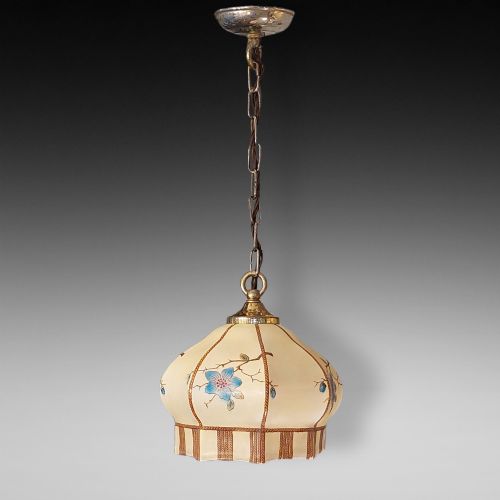
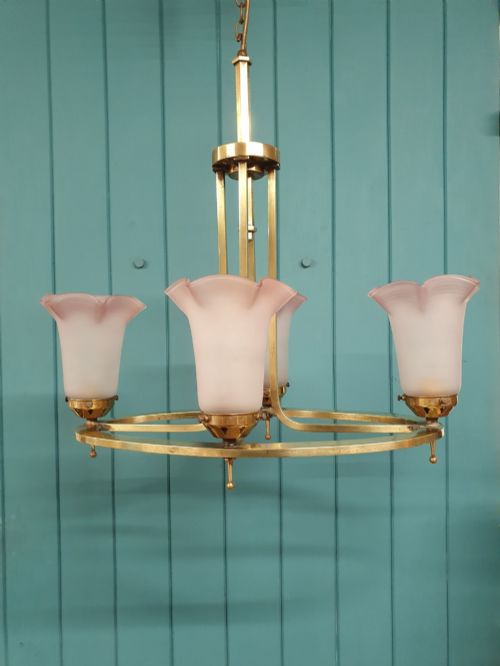


Retro Brass Pendant Lighting
Retro brass pendant lighting brings together warm metal frames and textured glass shades to cast a purposeful glow over any room.
Retro Brass Pendant Lighting
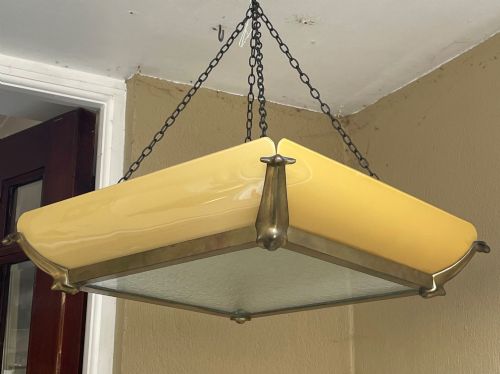
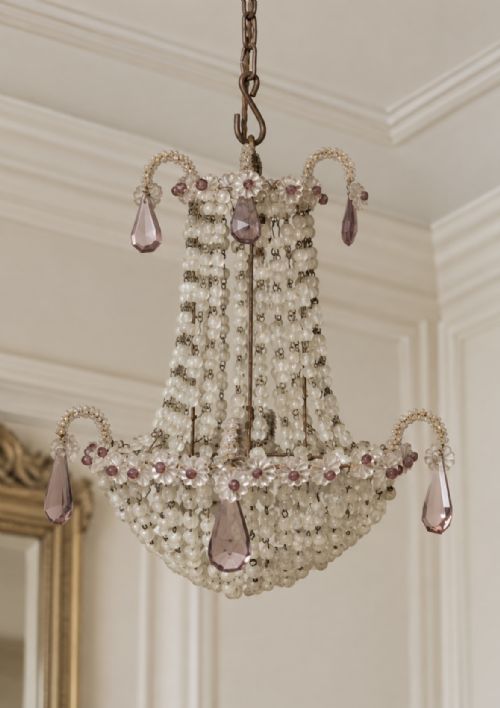
The dominant aesthetic draws heavily from Art Deco and industrial design, paired with French and Italian regional influences. These fixtures frequently combine brass or gilt metal mountings with distinct glass shades designed to diffuse interior light effectively.
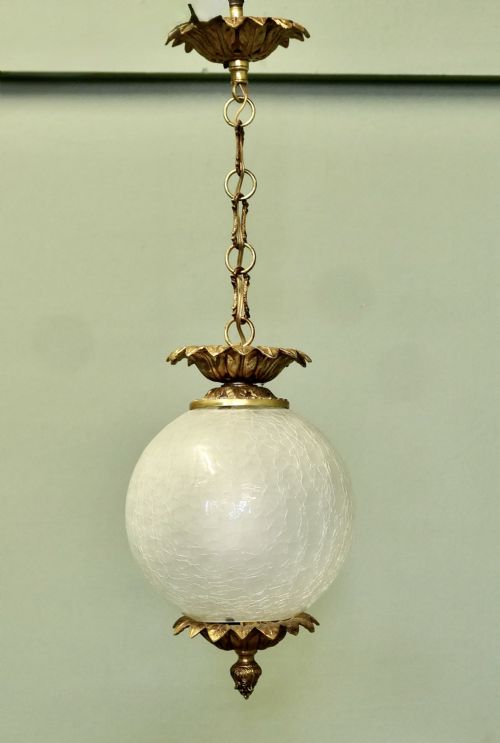
Common regional variations include French glass globe pendants, Italian Venetian and Florentine chandeliers, and sturdy British or continental industrial warehouse lights. Buyers selecting these pieces typically aim to anchor a dining space, hallway, or high-ceilinged room with authentic period character.
Materials and Construction
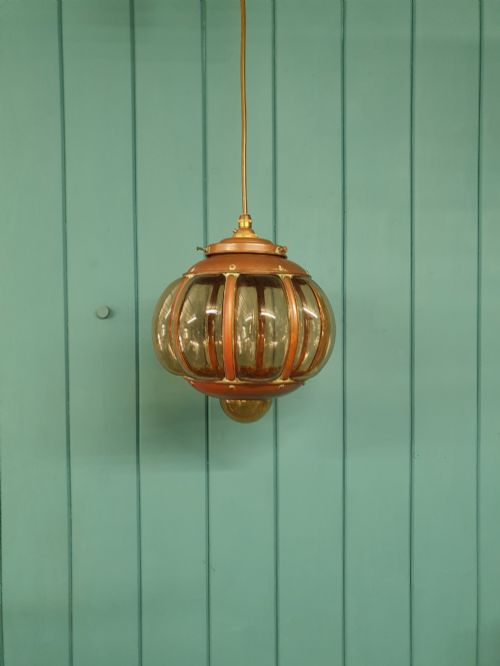
The construction of these pendant lights relies primarily on brass, gilt metal, and copper frameworks designed to support substantial glass elements. Metal components are cast, spun, or patinated to achieve structural integrity and decorative finish.
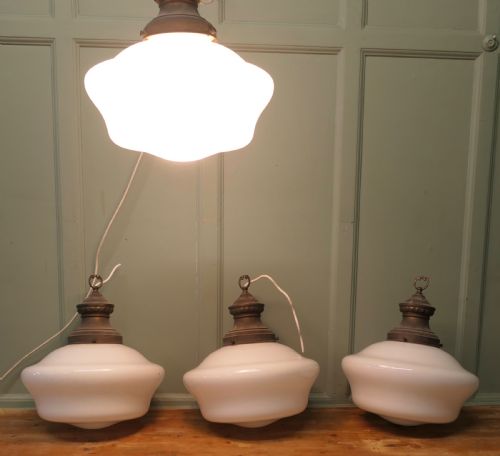
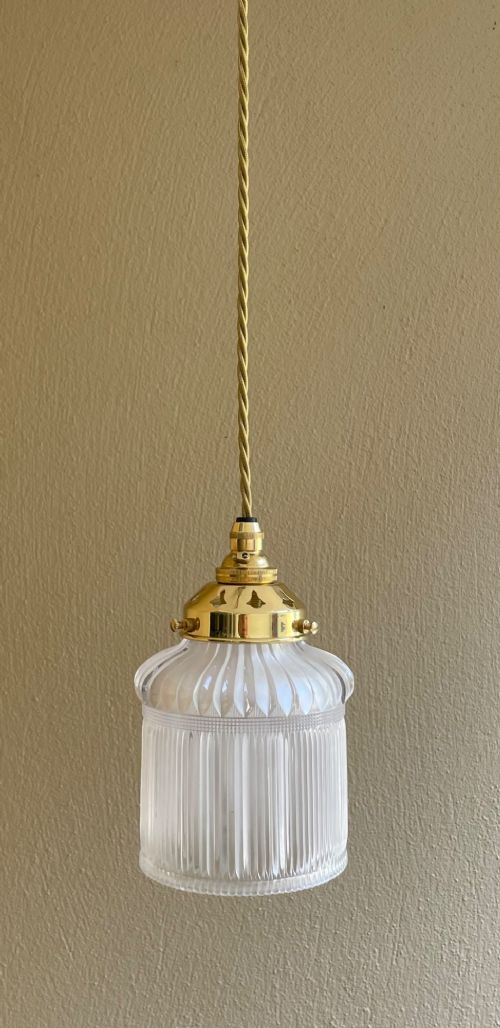
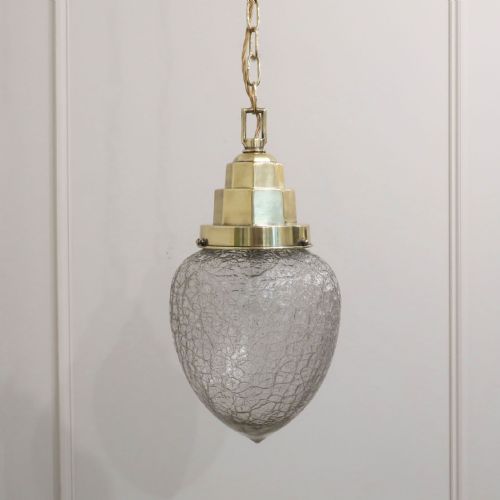
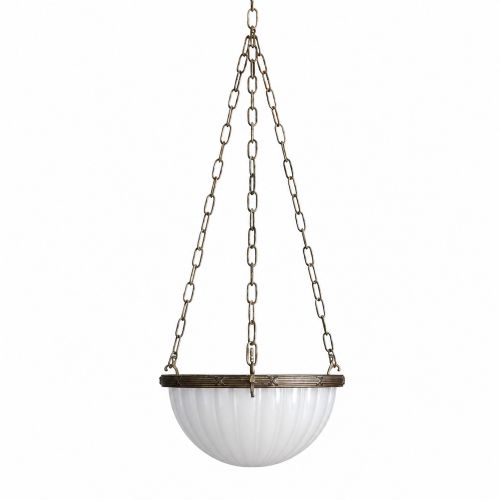
Glass production forms a central component of these pieces, utilising specialised techniques to create opaline, frosted, crackle, pink crimped, and prismatic surfaces. Specialised prismatic glass such as Holophane shades were engineered specifically to maximise light output while reducing glare.
Additional artisanal details include hand-painted glass decorations, caged wire surrounds, and alabaster hanging dishes. These varied materials are joined using period mechanical fixings, collars, and chains suited to suspension from high ceilings.
Retro Brass Pendant Lighting Retail Price Guide 2026
Typical asking prices for retro brass pendant lighting among the pieces listed under this phrase on Sellingantiques today, from the lower quarter to the upper quarter. They describe what is for sale here now, not the wider market.
The available listings span the Edwardian era through the 1940s, with a strong concentration of pieces originating in the 1920s and 1930s.
Judging Quality in Period Pendants
Quality in these hanging fixtures rests upon the weight and purity of the metalwork, distinguishing heavy cast brass and solid bronze from thinner plated alternatives. Superior examples maintain crisp casting details in decorative mountings and robust structural connections that support the fixture safely.
The sophistication of the glass shade heavily dictates the standing of a piece, separating standard pressed glass from thick, heavy opaline, hand-blown crackle glass, or complex prismatic scientific lenses. Intricate decorative treatments such as hand-painted motifs or specialised pink crimping elevate the craftsmanship.
Proportion and architectural presence separate ordinary utilitarian fittings from exceptional decorative fixtures. Well-balanced chandeliers and large lanterns demonstrate harmonious scale between the brass armature and the glass volume they contain.
Holophane Lighting
The Retro Brass Pendant Lighting Glossary
- Pendant light
- A hanging ceiling fixture suspended by a cord, chain, or metal rod. These units are typically single-bulb sources designed to illuminate specific functional zones.
- Chandelier
- A branched ornamental ceiling light holding multiple bulbs. These fixtures distribute light across wider areas and serve as primary focal points in larger rooms.
- Opaline glass
- A milky, semi-translucent glass type developed to diffuse light softly without harsh glares. It appears frequently in twentieth-century shade production.
- Holophane
- A patented brand of prismatic glass designed to direct and refract light efficiently. These ribbed industrial shades are prized for their optical performance.
- Plafonnier
- A ceiling-mounted light fixture positioned flat or very close to the ceiling surface rather than hanging low on a long chain.
Retro Brass Pendant Lighting: Frequently Asked Questions
Where should I hang a pendant light?
These pendant fixtures suit spaces requiring focused overhead illumination, such as dining tables, kitchen islands, and high-ceilinged hallways. Their drop height makes them ideal for defining specific functional zones within larger rooms.
Ensure you calculate the clearance from the floor to the bottom of the shade so the fixture remains safely out of head height while anchoring the furniture below.
How do I identify an Art Deco pendant?
Art Deco lighting typically exhibits geometric symmetry, stepped forms, and stylized motifs popular during the interwar decades. Look for structural brass frames paired with opaline, frosted, or crackle glass shades.
These pieces often embrace symmetrical arrangements of multiple lights or bold conical and bowl shapes characteristic of the 1920s and 1930s.
Are these lights suitable for low ceilings?
Most pendant lights require considerable vertical space because they suspend from chains or rods. For rooms with lower clearance, search specifically for plafonniers or flush-mounted ceiling fixtures.
Adjusting suspension chains is sometimes possible, though very short drops may alter the intended proportions of the brass armature and shade.
How do I care for antique brass?
Dust metal frames gently with a soft, dry cloth to preserve the natural patina accumulated over decades. Avoid harsh chemical polishes that strip away historical surface character.
Glass shades can be removed carefully and washed in warm, soapy water to restore their original clarity and brightness before reinstallation.