



Restored Chair
A restored antique chair brings centuries of timber, leather and textile into daily use, offering a connection to past craftsmanship.
Restored Chair
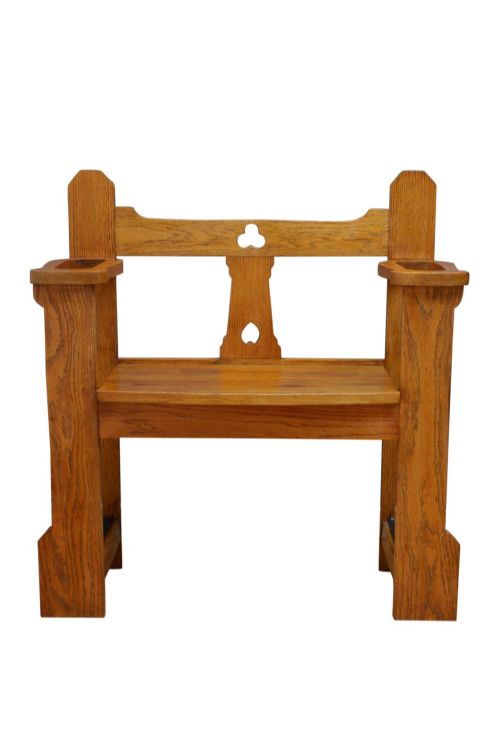
A restored antique chair encompasses seating from the Georgian, Victorian, Edwardian and Art Deco periods, ranging from formal library armchairs to rustic ladder back dining chairs. When searching for a restored antique chair, buyers encounter diverse forms such as wingbacks, club armchairs, chaise longues, and hall benches.
These items serve practical seating functions while retaining the distinct stylistic markers of their eras, including William IV, Regency, and Arts and Crafts designs.
Distinctions in Quality
Quality rests upon the integrity of the underlying timber frame and the skill applied during the restoration process to preserve original joints and carvings. Pieces attributed to notable makers demonstrate superior joinery and more refined proportions.
The grade of the upholstery leather or fabric, alongside the accuracy of period-appropriate dyeing and finishing, separates standard utility seating from finer collector pieces.
Restored Chair Retail Price Guide 2026
Typical asking prices for restored chair among the pieces listed under this phrase on Sellingantiques today, from the lower quarter to the upper quarter. They describe what is for sale here now, not the wider market.
Some nineteenth-century armchairs hide clever mechanical adjustments so you can nap after reading.
Gillows·Miles & Edward·William Morris·Howard & Son's
The Restored Chair Glossary
- Wingback armchair
- A seating form featuring protective side panels designed to shield the occupant from draughts near a fireplace. These typically date from the Georgian and Victorian eras.
- Ladder back
- A chair back constructed with horizontal wooden slats resembling the rungs of a ladder. This form appears frequently in country traditional dining sets.
- Chesterfield
- A heavily upholstered seating style characterised by deep button tufting and rolled arms of equal height to the back. Examples often feature brown leather.
- Ebonised
- Timber treated with a dark finish to imitate ebony wood. This technique is commonly seen on nineteenth-century chair legs.
- Metamorphic chair
- Furniture engineered with mechanical components allowing it to transform into an alternative form, such as a reclining library chair or a chair with an integrated writing slope.
Restored Chair: Frequently Asked Questions
How do I identify a Victorian armchair?
Victorian armchairs often display heavier proportions, dark hardwood frames, and deep buttoned leather upholstery. Stylistic revivals and ornate carved details also point toward this nineteenth-century period.
Examination of the underside and joints reveals hand-cut screws or traditional joinery methods characteristic of the era.
What is a library armchair used for?
Library armchairs were constructed for reading rooms and studies, offering robust wooden frames and supportive upholstered seating. Many include adjustments or reading attachments for long periods of study.
Their substantial construction makes them suitable for daily seating in modern living spaces.
How should I care for leather antique chairs?
Leather upholstery requires regular dusting and occasional treatment with appropriate conditioning balms to prevent drying and cracking. Keeping the leather away from direct heat sources preserves the natural material.
Gentle cleaning maintains the hand-dyed finishes characteristic of restored club and Chesterfield chairs.
Are ladder back chairs sturdy?
Ladder back chairs utilise straightforward wooden construction with mortise and tenon joints, providing reliable structural strength for dining use. Oak and country hardwoods used in these chairs endure regular handling.
Restoration work typically secures any loose rungs while retaining the traditional timber frame.