

Restoration Oil Painting
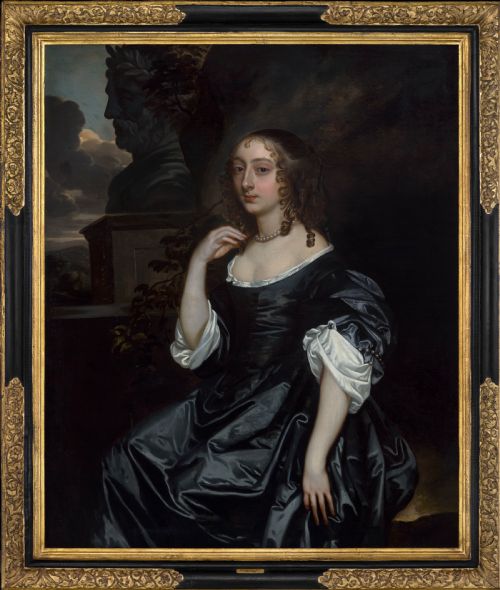
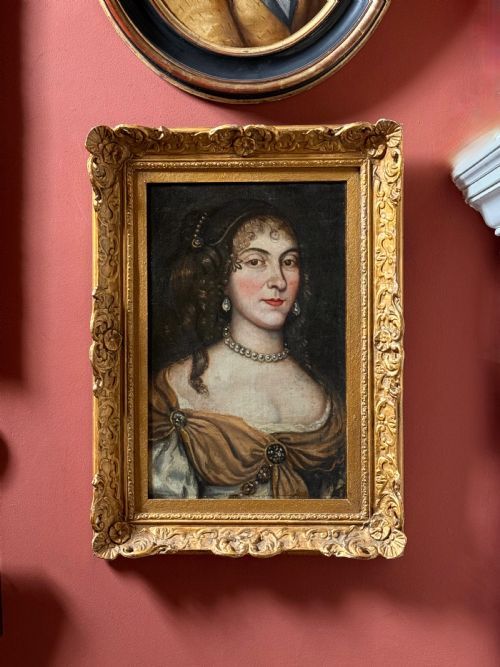
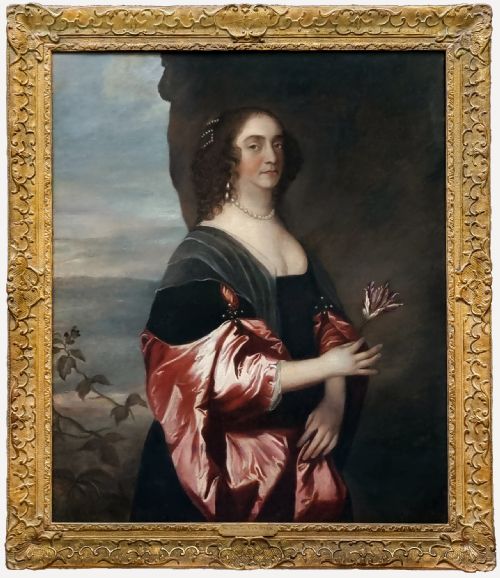
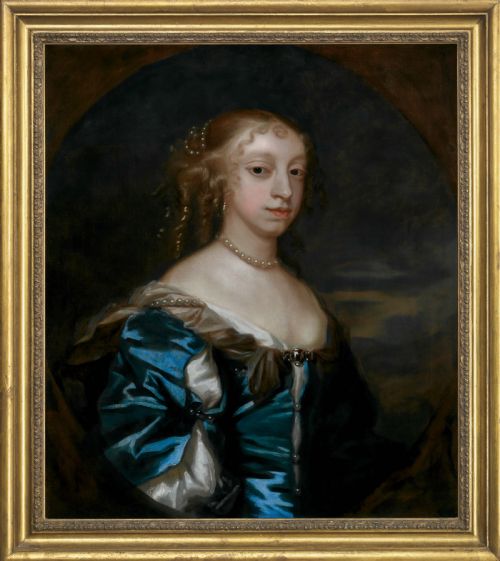
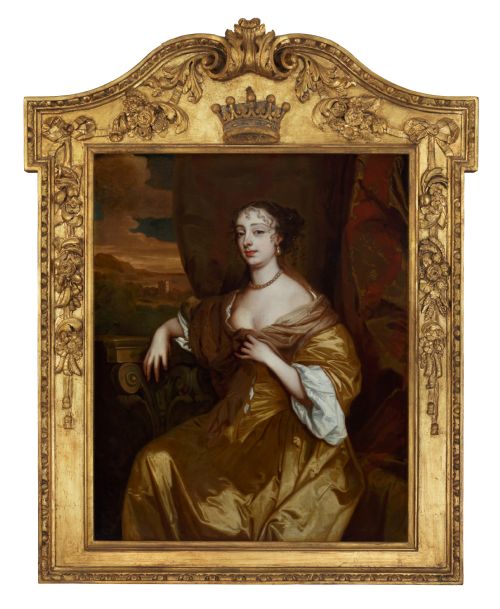
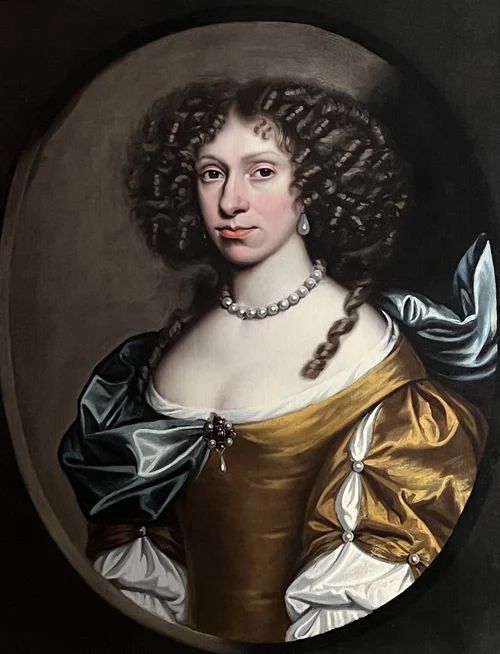
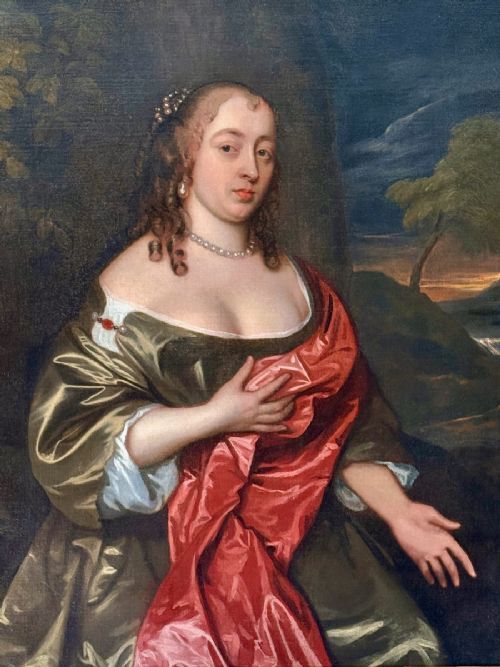
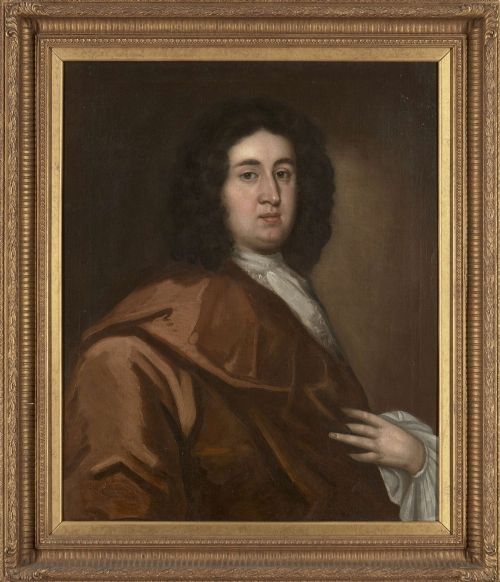
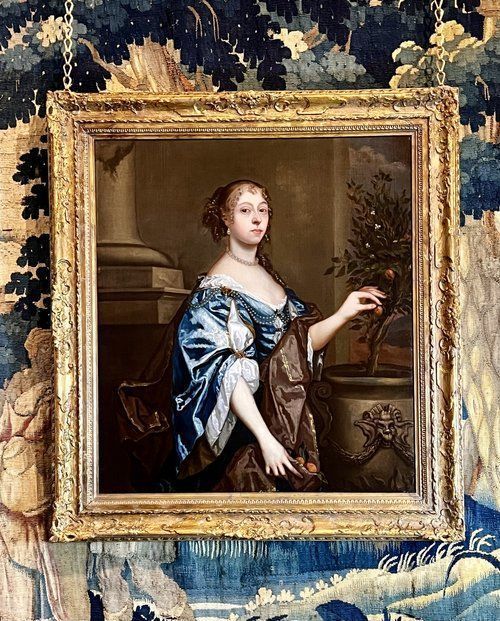
A restoration oil painting captures elite figures and noble subjects in seventeenth-century portraiture, offering a direct window into Stuart society.
Restoration Oil Painting
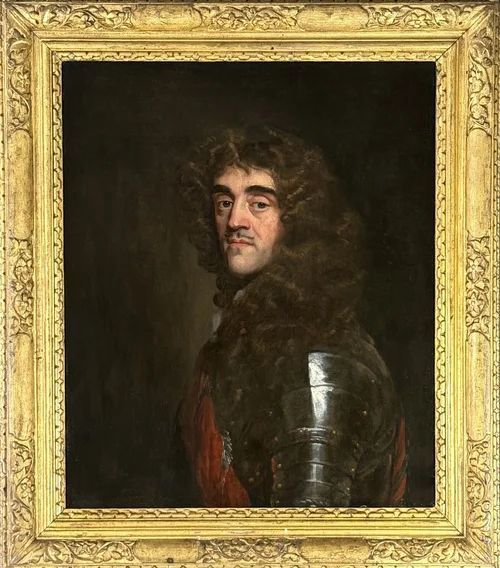
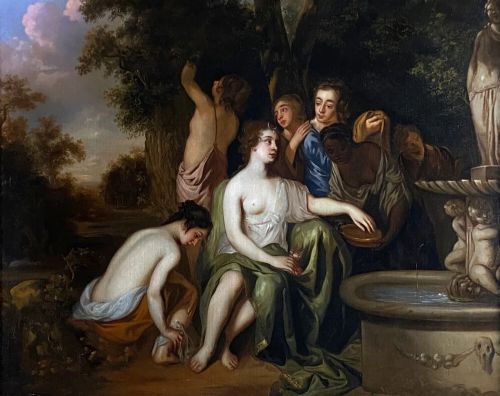
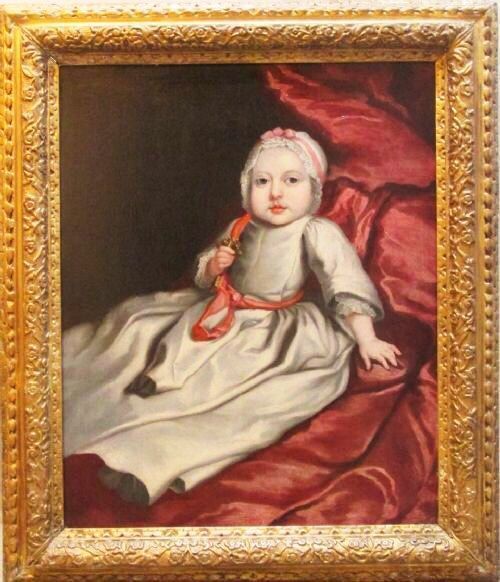
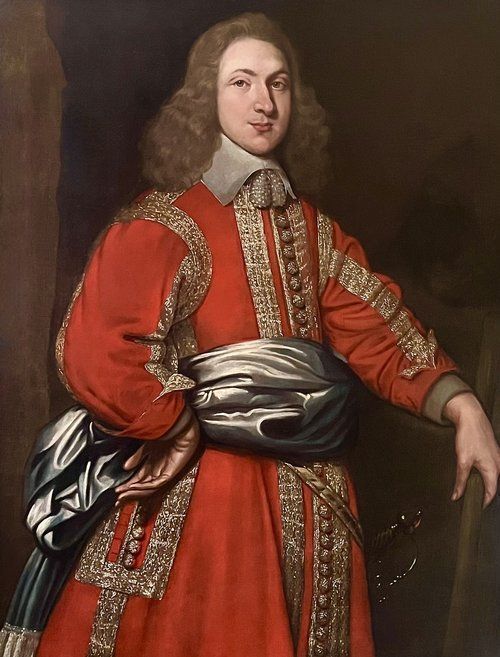
A restoration oil painting typically depicts aristocratic sitters, military officers, and clergymen from the seventeenth century, reflecting the tastes of the Stuart era. These works frequently emerge from British, Anglo-Dutch, and continental schools active during the late sixteen hundreds.
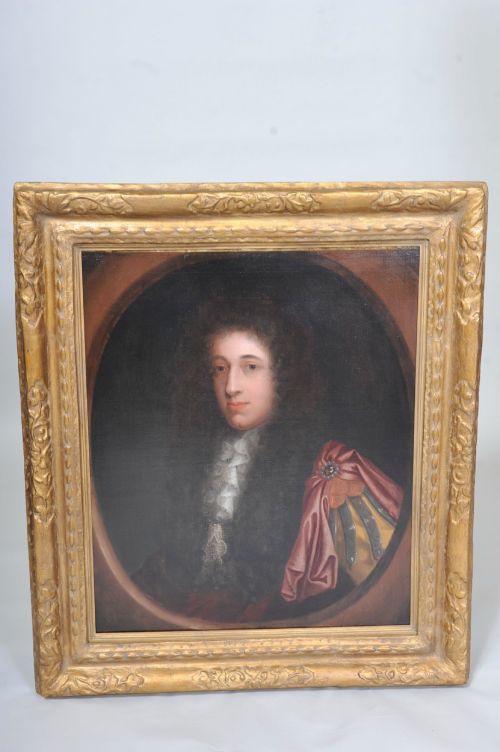
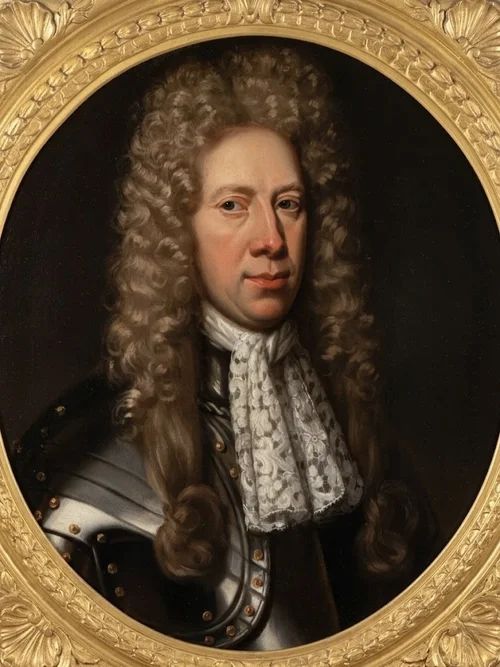
Buyers encounter numerous portrait paintings showcasing half-length or bust-length figures dressed in elaborate costume, armour, or silk gowns. The inventory relies heavily on formal portraits linked to prominent seventeenth-century workshops.
The aesthetic bridges English Baroque conventions with continental influences, producing works that emphasise texture in garments and solemnity in facial expression. Most examples survive on their original canvas supports, occasionally retaining period frames.
Evaluating Quality and Execution
Quality in these portraits rests upon the anatomical precision of the hands and face, alongside the confident handling of drapery and costume. Studio pieces often display varying degrees of assistant intervention, whereas works retaining direct master attribution demonstrate superior draughtsmanship.
The survival of the original canvas and the integrity of the paint layers heavily influence the standing of an individual piece. Works accompanied by documented provenance or historic frame assemblies command greater appreciation among serious collectors.
The listings span seventeenth-century portraits executed in oil on canvas, featuring works from English, Dutch, and Anglo-Dutch schools.
Sir Peter Lely·Mary Beale·John Michael Wright·John Greenhill·John Riley
The Restoration Oil Painting Glossary
- Baroque
- A European artistic style of the seventeenth century characterised by drama, deep shadow, and rich ornamentation. This aesthetic governs the theatrical lighting and opulent garments seen in Restoration portraits.
- Oil on Canvas
- A traditional painting medium utilising pigments suspended in drying oil applied to a woven fabric support. This combination provides the flexibility and durability required for large-scale seventeenth-century works.
- Giltwood
- Wood carved and covered with a thin layer of gold leaf or metallic powder. Period frames utilise this technique to create an ornate, reflective border for oil paintings.
- Studio of
- A designation indicating a work produced by assistants or pupils under the direct supervision of a master painter. These pieces share stylistic traits with the primary artist.
- Circle of
- An attribution used when a painting shows the distinct hand of an artist working closely within the style and workshop sphere of a known master.
Restoration Oil Painting: Frequently Asked Questions
What is a restoration oil painting?
A restoration oil painting refers to artworks created during the seventeenth-century Restoration period, primarily focusing on portraiture of nobility and gentry.
These pieces reflect the artistic conventions of seventeenth-century British and continental schools.
Who painted these portraits?
Many works originate from prominent seventeenth-century portraitists, their active studios, or artists working within their immediate circle.
Identified figures include leading court painters and regional portrait specialists of the Stuart era.
How should I hang an oil painting?
Oil paintings on canvas require stable environmental conditions away from direct sunlight and extreme humidity fluctuations.
Secure wall fixings and appropriate weight-bearing brackets are essential for supporting heavy giltwood frames.
How are periods identified?
Periods are determined through costume analysis, sitters' documented lifespans, stylistic comparisons, and historic inscriptions.
Clothing details such as cut sleeves, wigs, and neckwear provide reliable chronological markers for the late seventeenth century.