





Restoration Dining Chairs
Restoration dining chairs bring robust seventeenth-century timber and high-backed grandeur into modern rooms through both original antiques and later revivals.
Restoration Dining Chairs
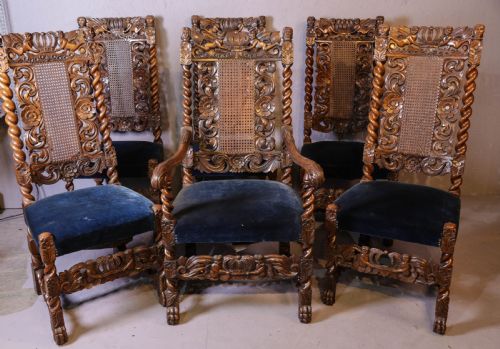
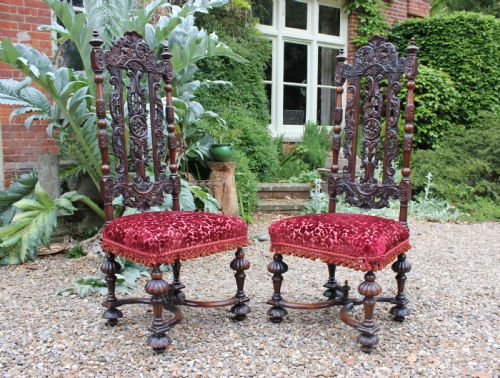
When you search for restoration dining chairs, you encounter forms rooted in the late seventeenth century, alongside revival iterations spanning the nineteenth and early twentieth centuries. These seating options appear as side chairs, armchairs, hall chairs, and larger dining sets fashioned from sturdy timber.
Original seventeenth-century pieces share space on this page with Carolean style, William and Mary, and Jacobean revivals. You are just as likely to meet a set from nineteen-ten as an armchair dating back to the sixteen-eighties.
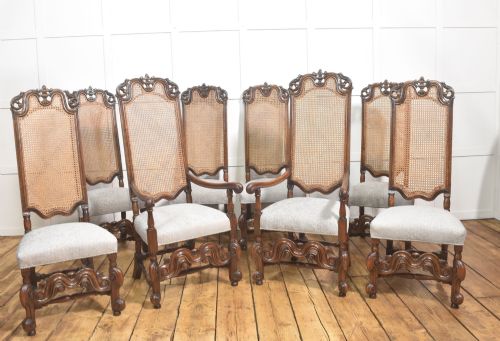
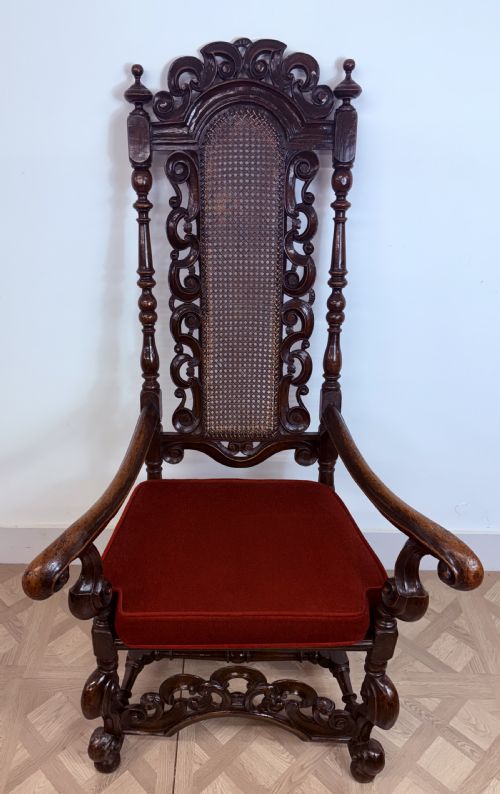
The dominant aesthetic draws upon Carolean and Charles the Second designs, characterised by tall backs and carved woodwork. Dining chairs in this grouping often utilise cane panels or upholstered pads for the seat and backrest.
How they were made
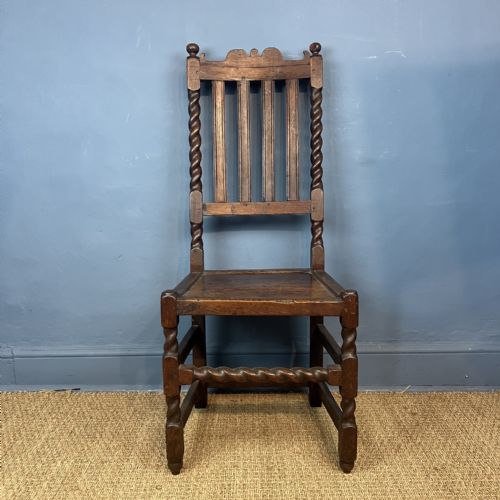
Makers relied primarily on oak and walnut for the structural frames, shaping the timber with heavy carving along the stretchers and crest rails. Beech also appears in select seventeenth-century seating.
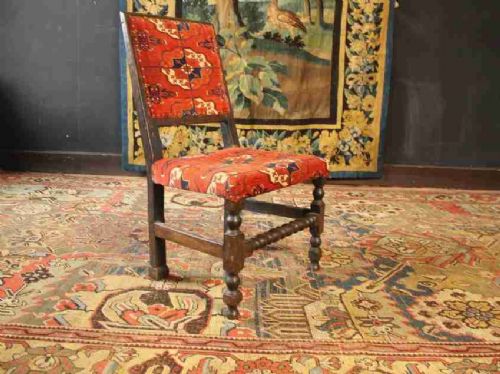
Cane weaving provides the distinctive texture for many backrests and seats, while alternative examples employ velvet, tapestry, and plain textile upholstery fabric.
Joinery methods rely on pegged mortise and tenon joints for early frames, while revival pieces from later centuries incorporate industrial manufacturing techniques alongside traditional hand-carving.
Restoration Dining Chairs Retail Price Guide 2026
Typical asking prices for restoration dining chairs among the pieces listed under this phrase on Sellingantiques today, from the lower quarter to the upper quarter. They describe what is for sale here now, not the wider market.
Listings span periods from the seventeenth century through to nineteen-twenty, featuring oak, walnut, beech, cane, and various upholstery textiles.
What varies in quality
The depth and crispness of the hand-carving separate standard revival items from superior examples. Sharp, deep relief work on the crest rails indicates careful attention by the maker.
The integrity of the timber frame and the tightness of the cane weaving dictate the durability of the chair. Original seventeenth-century frames holding their original cane or tight modern replacements sit at the upper end of the scale.
Waring and Gillow
The Restoration Dining Chairs Glossary
- Carolean
- The art and style associated with the reign of Charles the Second. This period produced the characteristic high-backed walnut and oak dining chairs with elaborate scrollwork.
- Cane
- Strips of rattan woven into an open mesh pattern for seats and backrests. It offers both flexibility and breathable support.
- Crest rail
- The top horizontal member of a chair back. On these pieces, it is frequently pierced and heavily carved.
- Stretcher
- The horizontal wooden brace connecting the legs of a chair for stability. Seventeenth-century examples often place these low between the front and back legs.
Restoration Dining Chairs: Frequently Asked Questions
Are restoration dining chairs comfortable to use?
The high straight backs provide firm upright posture rather than relaxed lounging. Many people pair them with seat cushions for longer meals.
The open cane or upholstered panels offer supportive seating when properly maintained. They function well at standard dining tables despite their historic proportions.
How do I spot a seventeenth-century original?
Original pieces display authentic tool marks, oxidation on the timber surfaces, and traditional pegged joinery. Inspection of the wood grain reveals age-related shrinkage and wear.
Revival pieces from the nineteenth and twentieth centuries often use machine-cut components and standardised dimensions. Comparing the patina across the entire frame helps clarify the true age.
Can I mix original chairs with revival sets?
Mixing period styles works well if the timber tones and back heights share similar visual weight. Oak and walnut pieces complement each other through shared seventeenth-century design vocabulary.
Matching the wood finish matters more than exact chronology when building a functional dining set. Carolean revival chairs blend seamlessly alongside earlier walnut frames.
How should I care for cane seats?
Cane requires moderate humidity to prevent the natural fibres from becoming brittle and snapping. Avoid placing these chairs near direct heat sources or dry radiators.
Cleaning involves gentle dusting with a soft brush and occasional wiping with a damp cloth. Properly hydrated cane supports weight safely for decades.