




Repousse Sterling Silver Tray
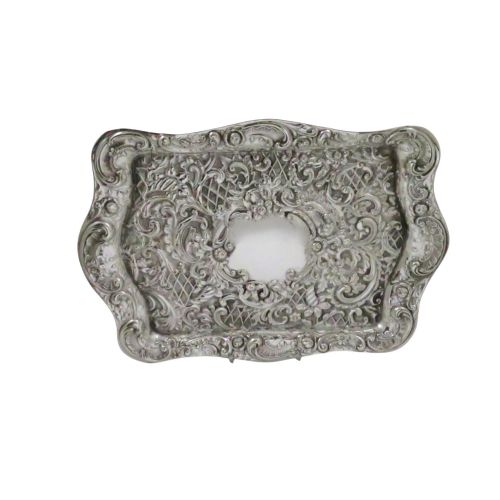
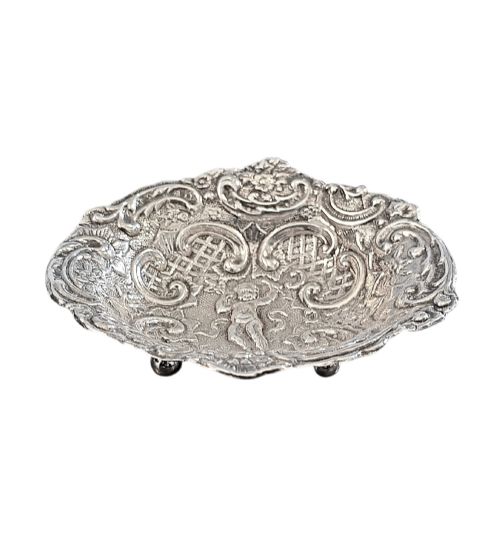
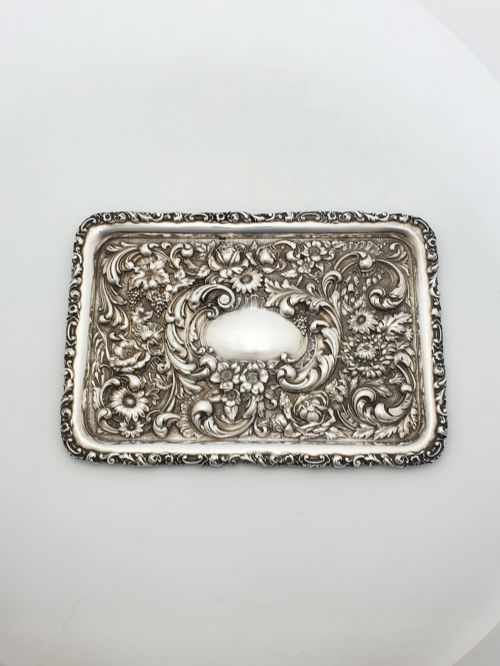
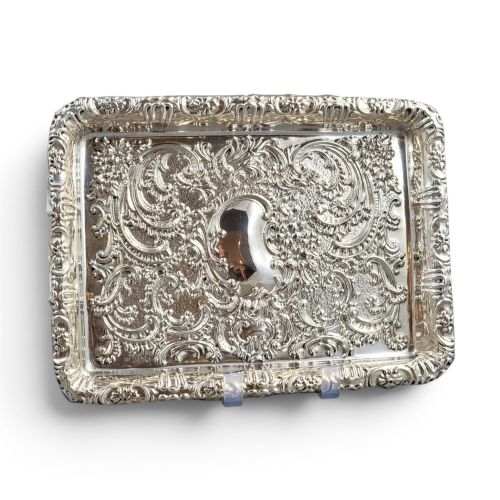
These repousse sterling silver tray examples bring raised floral patterns and figurative scenes straight to your dressing table or serving display.
Repousse Sterling Silver Tray
A repousse sterling silver tray encompasses items designed for dressing tables, serving, and decorative display, ranging from intimate pin dishes to substantial platters. When you search for a repousse sterling silver tray, you encounter forms that span the Victorian, Edwardian, and Georgian periods, with Edwardian Rococo Revival and Art Nouveau pieces appearing frequently.
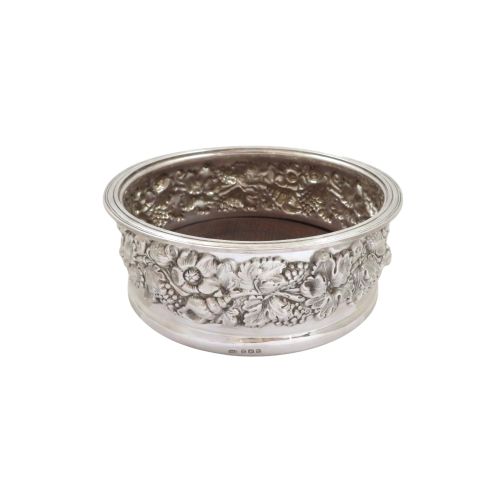
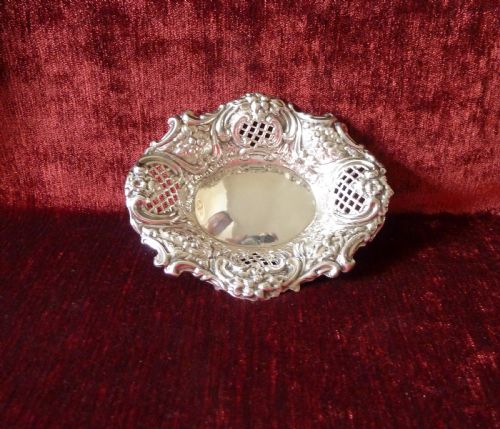
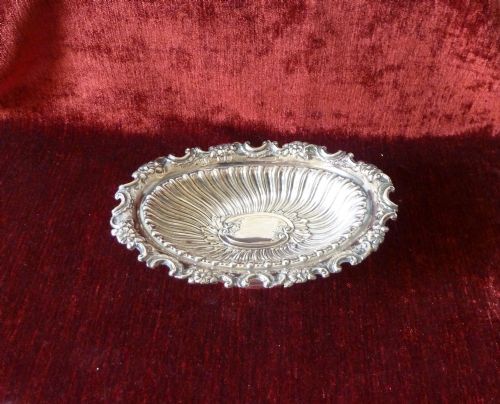
The objects on this page include trinket dishes, dressing table trays, bonbon dishes, wine coasters, card trays, and fruit baskets. Makers during these eras utilised solid sterling silver, often combining the metalwork with wooden bases, velvet linings, or satin inserts for dressing table sets and fitted cases.
Materials and construction methods
The primary material across all pieces is sterling silver, worked by hammering and punching from the reverse side to create the raised relief decoration known as repoussé. Silversmiths integrated floral scrolls, cherubs, and figurative motifs such as Reynold's angels into the malleable silver surface.
Certain forms incorporate supplementary materials like wood, velvet, and satin, particularly within wine coasters and dressing trays designed to protect delicate surfaces or cushion contents.
Repousse Sterling Silver Tray Retail Price Guide 2026
Typical asking prices for repousse sterling silver tray among the pieces listed under this phrase on Sellingantiques today, from the lower quarter to the upper quarter. They describe what is for sale here now, not the wider market.
Reynold's angels peek out from silver trays, watching over dressing tables just as they did in Victorian nurseries.
Distinctions in quality and execution
The depth and crispness of the repoussé hammer work define the visual merit of each piece, distinguishing sharply rendered cherubs and floral scrolls from softer, shallower impressions. The clarity of the assay office hallmarks, maker's marks, and the weight of the solid silver structure further establish the standard of the metalwork.
The integrity of auxiliary materials like fitted wooden bases or interior velvet and satin linings contributes to the overall preservation of domestic pieces such as dressing trays and wine coasters.
William Aitken·Robert Pringle And Sons·William Comyns·James Hennell·Martin Hall
The Repousse Sterling Silver Tray Glossary
- Repoussé
- A metalworking technique where the metal is hammered from the reverse side to form a raised design in relief on the front. This method creates the three-dimensional floral and figurative scenes seen on dressing trays and dishes.
- Sterling silver
- An alloy of silver containing 92.5 percent silver by mass and 7.5 percent other metals, usually copper. This standard composition is marked on British pieces alongside assay office symbols.
- Hallmark
- An official stamp applied to precious metals indicating the standard of purity, the assay office, and the year of manufacture. British silver carries these marks to verify its origin.
- Bonbon dish
- A small decorative dish specifically created for holding sweets, bonbons, or small confectionery items during the late nineteenth and early twentieth centuries. These dishes often feature pierced work or repoussé decoration.
- Wine coaster
- A small circular tray or stand designed to hold a wine or champagne bottle, protecting the table surface beneath. Many examples feature turned wood bases fitted with silver rims and repoussé borders.
Repousse Sterling Silver Tray: Frequently Asked Questions
How do I date a silver dressing tray?
Dating relies primarily on the stamped assay office hallmarks, which include specific letters denoting the year of manufacture.
Stylistic indicators such as Edwardian Rococo Revival curves or Art Nouveau motifs provide further context for the period of production.
What were dressing trays used for?
These trays rested on bedroom dressing tables to hold brushes, perfume bottles, pins, and small pieces of jewellery.
They kept daily accessories organised while adding decorative silver detail to the room.
What is the difference between a pin dish and a dressing tray?
Pin dishes are smaller, more compact vessels intended specifically for pins and minor trinkets on a dressing table.
Dressing trays provide a larger surface area designed to hold an entire set of dressing table accessories.