

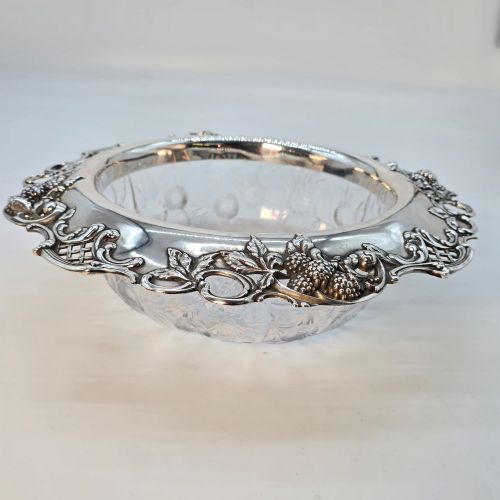
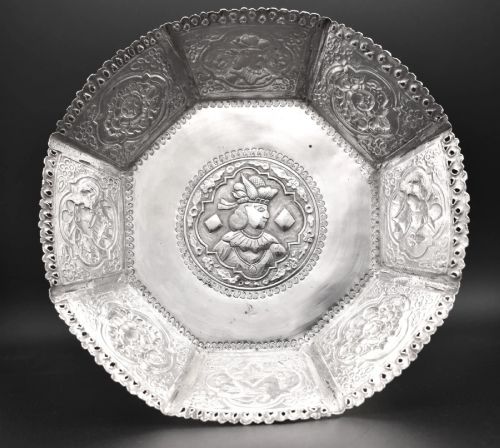

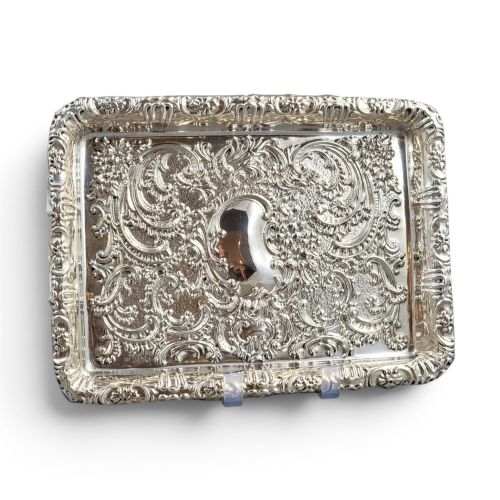
Repousse Sterling Silver Dish
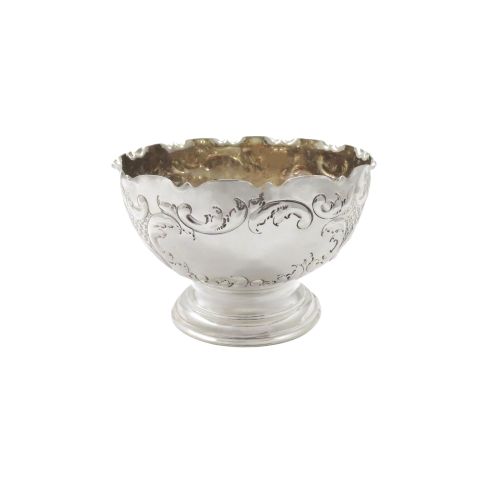
A repousse sterling silver dish brings chased floral relief and tactile weight to a dressing table, turning everyday trinkets into a formal display.
Repousse Sterling Silver Dish
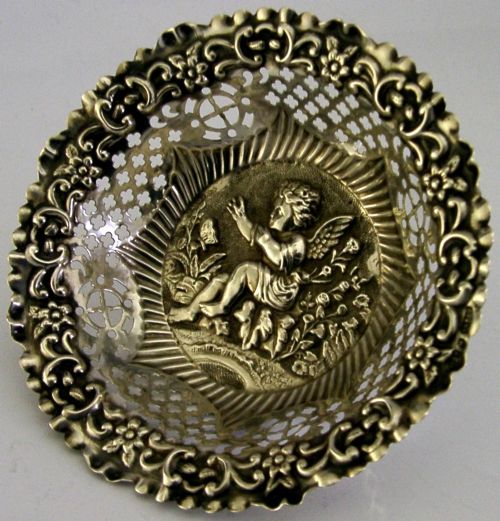
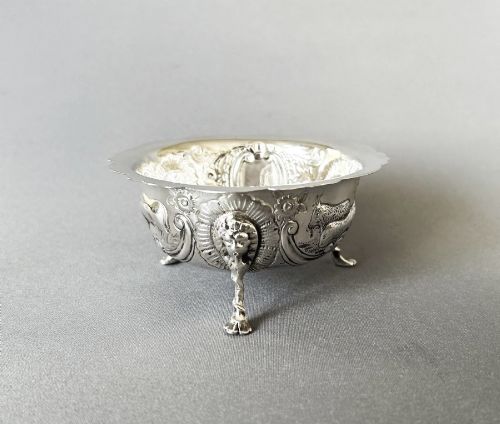
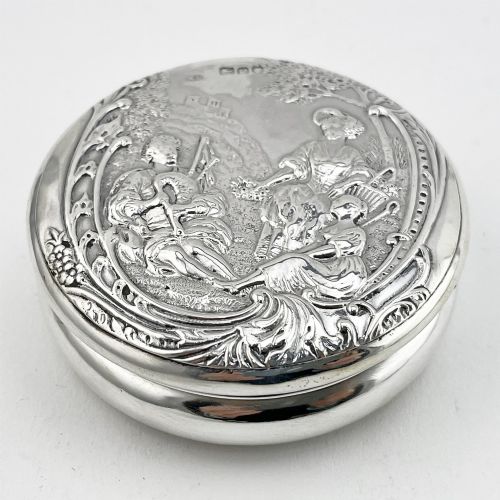
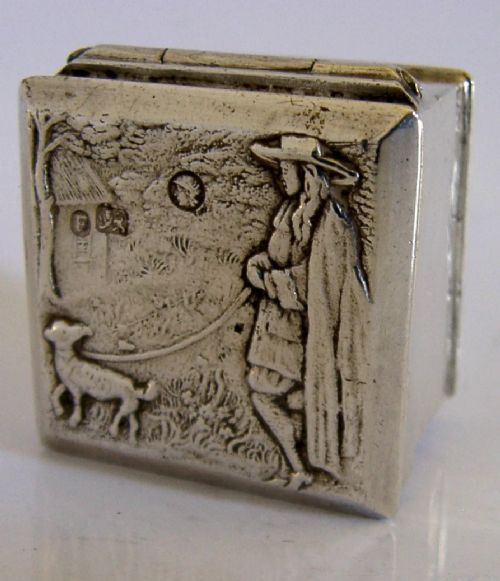
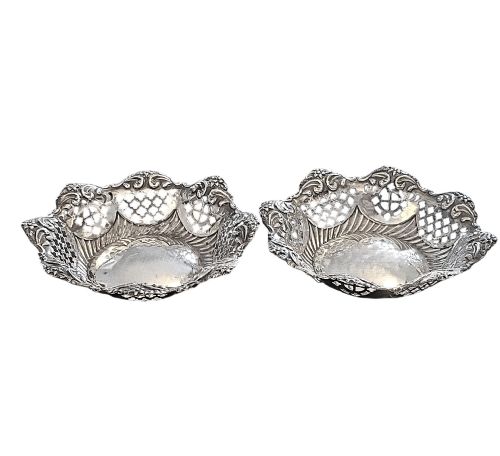
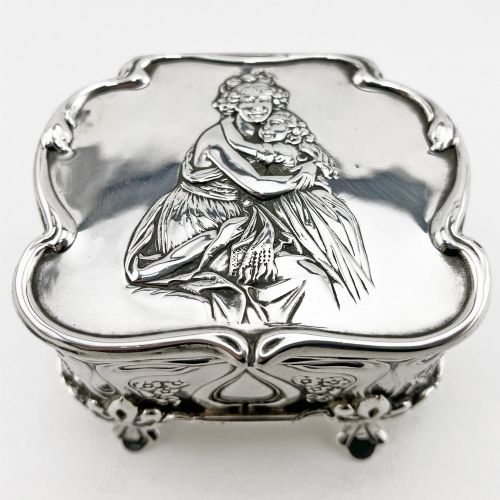
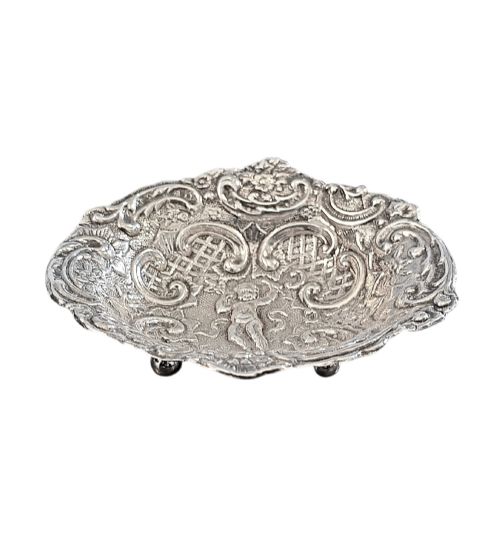
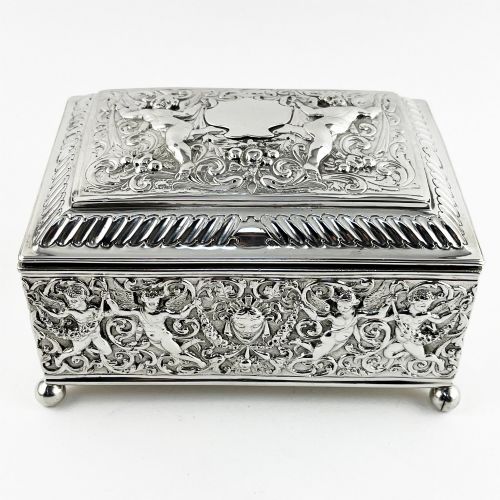
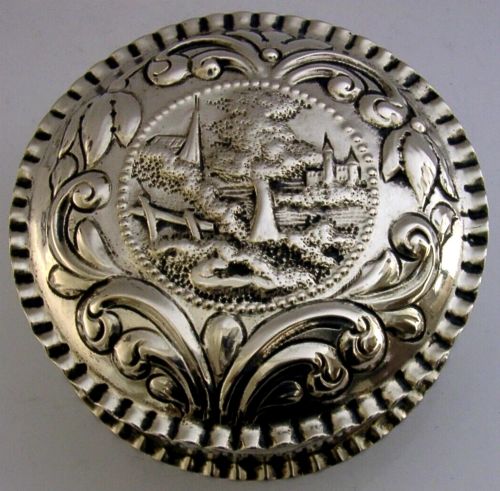
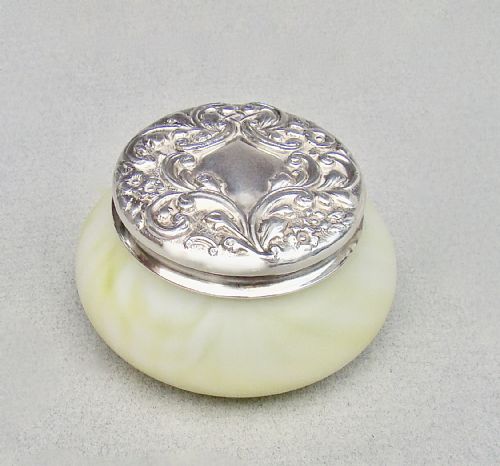
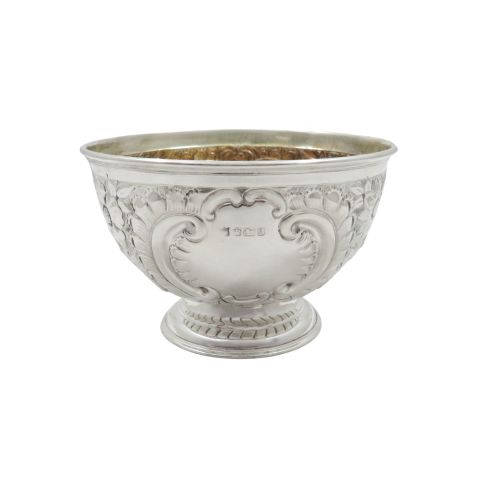
A repousse sterling silver dish encompasses small pin trays, footed bowls, card trays, and lidded trinket boxes created across the Victorian and Edwardian eras. These domestic objects served dressing tables and formal tea settings, holding jewellery, sweets, or calling cards.
The pieces appearing most frequently on this page span the late nineteenth and early twentieth centuries, featuring British hallmarks alongside occasional Anglo-Indian, Chinese Export, and Thai silver work. Their forms range from simple heart-shaped dishes to large pedestal bowls and lidded caskets.
Materials and technique
Makers shaped these vessels from solid silver or sterling silver, frequently employing gilding for internal linings to protect the metal from acidic contents such as sugar or fruit. Certain forms combine the silver with satin glass or crystal bodies.
The defining characteristic relies on repousse work, where silversmiths hammered and chased the metal from the reverse side to raise ornamental floral, scroll, or figural relief designs on the surface.
Repousse Sterling Silver Dish Retail Price Guide 2026
Typical asking prices for repousse sterling silver dish among the pieces listed under this phrase on Sellingantiques today, from the lower quarter to the upper quarter. They describe what is for sale here now, not the wider market.
Distinctions in craftsmanship
Quality rests upon the crispness of the chased relief and the depth of the metal work. Superior examples maintain sharp contours in floral motifs and cherub faces without flattening from excessive polishing over the decades.
Substantial weight and balanced proportions differentiate finer pieces from lighter vessels. Maker marks from prominent silversmiths further elevate the standing of an individual dish or box.
A. Bromet & Co·Robert Pringle & Sons·William Comyns·A & J Zimmerman Ltd·Elkington & Co·William Neale & Sons·Martin Hall
The Repousse Sterling Silver Dish Glossary
- Repousse
- A metalworking technique where the artisan hammers a design from the reverse side to form a raised relief on the front. This method creates the characteristic three-dimensional floral and scroll patterns found on these vessels.
- Sterling silver
- An alloy consisting of pure silver and other metals, typically copper, standardising at a fineness of ninety-two point five percent. British pieces carry hallmarks certifying this standard.
- Hallmark
- An official stamp applied to precious metals indicating the maker, assay office, and year of production. These marks provide definitive dating for Victorian and Edwardian silver.
- Tazza
- A shallow ornamental bowl or plate mounted upon a stem and foot. They function as centrepieces or serving dishes.
- Chasing
- The complementary metalwork process performed on the front side of a piece after repousse work, refining the raised details with punches and chisels.
Repousse Sterling Silver Dish: Frequently Asked Questions
How do I clean a silver dish?
Use a soft microfibre cloth and a mild silver polish designed to preserve antique surfaces. Avoid harsh dips that strip the dark oxidation from recessed details.
Gentle maintenance preserves the integrity of the raised repousse patterns without wearing down the crisp edges of the chased metal.
What were trinket boxes used for?
These lidded vessels sat upon dressing tables to safely store small personal items such as rings, pins, and brooches. Lined interiors protected delicate jewellery pieces from scratching against bare metal.
Victorian and Edwardian households valued them as both practical storage and decorative accents for private rooms.
How do I date these silver items?
British pieces feature a stamped date letter within the hallmark cluster, corresponding to the specific assay office in cities such as London, Birmingham, or Chester.
Comparing the letter shape against official assay records reveals the exact year the item passed inspection.
Can I use them for serving food?
Dishes equipped with gilt linings were historically suited for holding sugar or bonbons. Modern use generally favours dry confectionery or decorative display.
Acidic foods should not remain on unlined silver surfaces for extended periods to prevent tarnishing and pitting.