
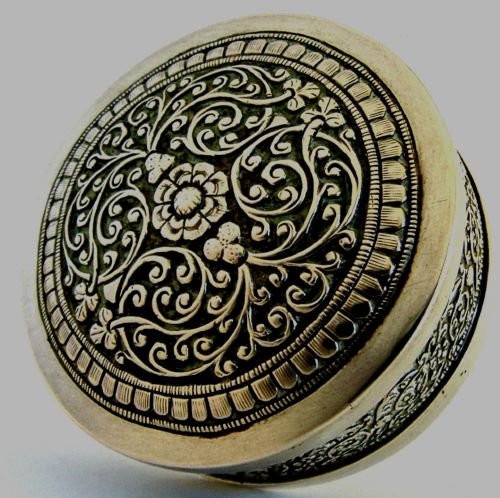

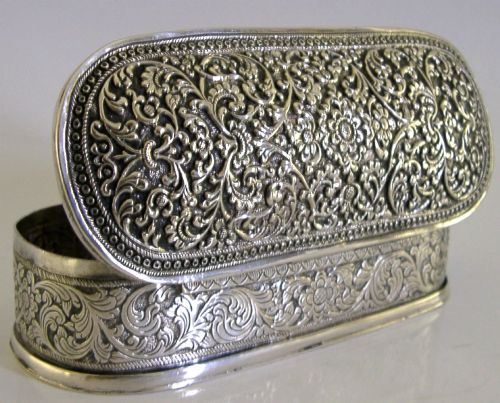
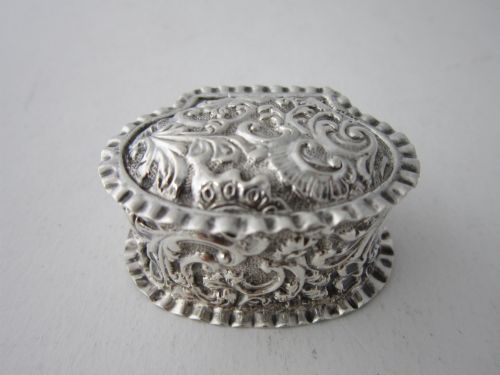
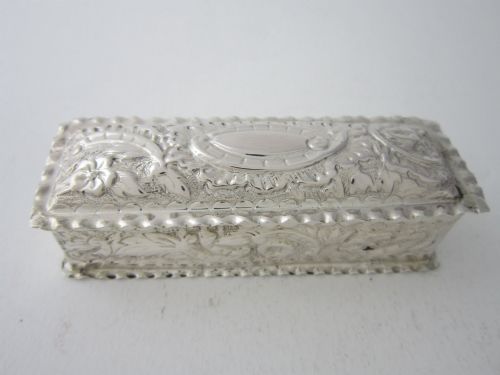

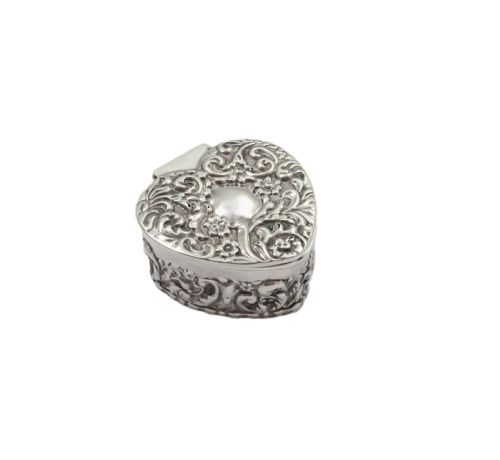

Repousse Silver Vanity Box
A repousse silver vanity box brings domestic elegance to a dressing table, offering a textured vessel for small treasures.
Repousse Silver Vanity Box
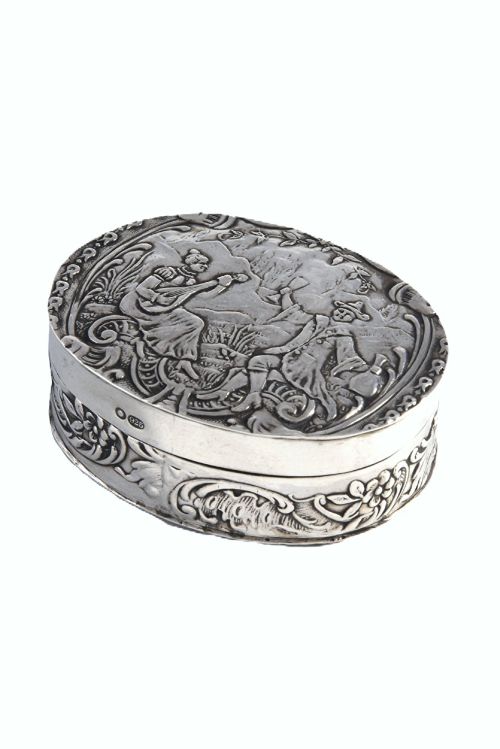
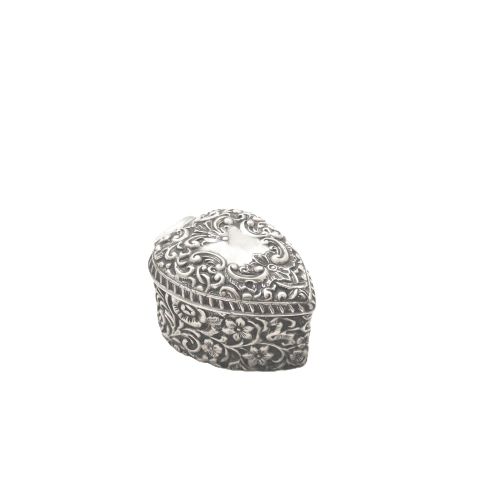
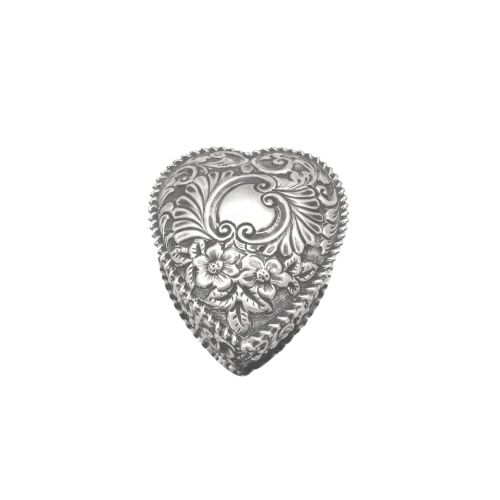
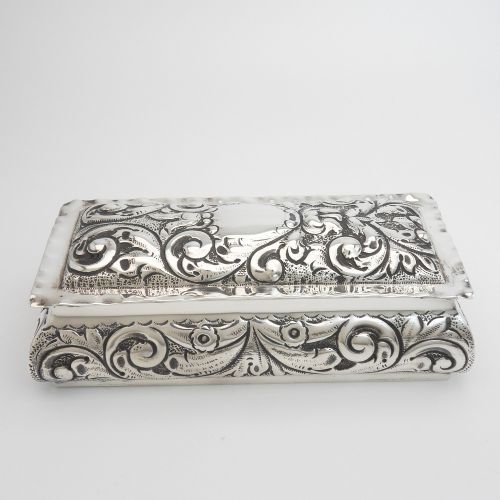
A repousse silver vanity box serves as a receptacle for jewellery, trinkets, pills, or snuff, taking shapes that range from simple ovals and rectangles to hearts and large dressing table caskets. These pieces appear across Victorian, Edwardian, and mid-century periods, alongside examples originating from Anglo-Indian and Scandinavian workshops.
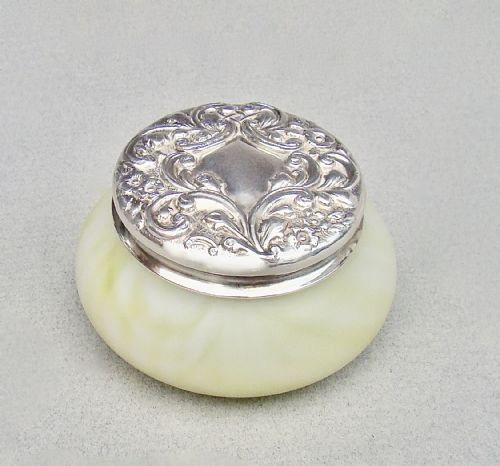
The version most commonly encountered on this page is the sterling silver trinket box, often dated from the late nineteenth or early twentieth century and bearing hallmarks from assay offices in Birmingham, Chester, or London. Alongside solid silver forms, buyers regularly meet glass and crystal vessels fitted with embossed silver lids.
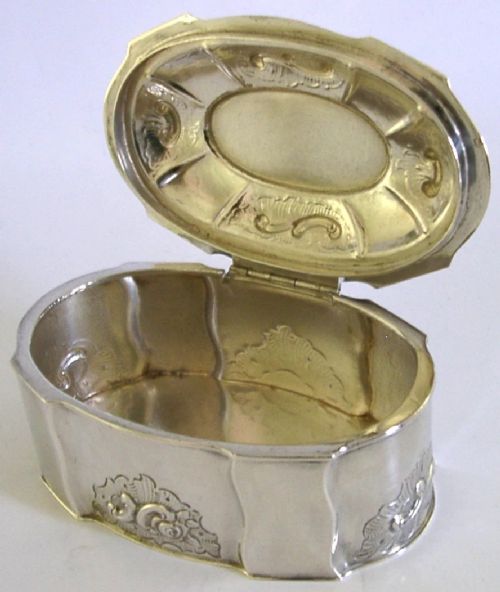
The category extends from diminutive pill boxes to substantial dressing table boxes weighing over two hundred grams, incorporating interior linings of gold gilt, vermeil, or satin glass. These containers reflect the domestic rituals of past decades, designed to sit upon a vanity table or desk.
Distinctions in Standard
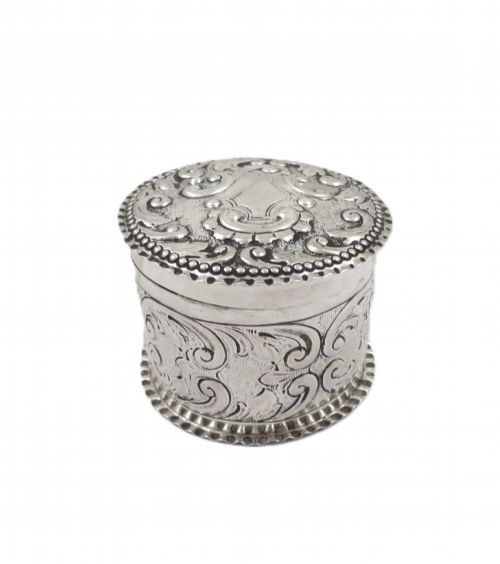
Quality reveals itself in the depth, crispness, and definition of the repousse decoration hammered into the silver, where skilled handiwork produces sharp contours rather than soft or flattened relief. The weight of the metal and the substantial feel of the vessel also indicate a higher standard of manufacture.
Internal finishes such as intact gilding, vermeil, or undamaged satin glass liners elevate a piece, while the precision of the hinge mechanism and the clarity of the assay office hallmarks demonstrate superior craftsmanship.
Listings feature sterling silver, cut glass, and satin glass across Victorian, Edwardian, and mid-century periods.
Goldsmiths and Silversmiths Company·A. Bromet and Co·A and J Zimmerman Ltd·William Comyns
The Repousse Silver Vanity Box Glossary
- Repousse
- A metalworking technique where the artisan hammers and pushes the metal from the reverse side to form a raised design on the front. This method creates tactile, three-dimensional decorative motifs across the surface of the silver.
- Vermeil
- Sterling silver plated with a layer of gold. This treatment provides a rich golden interior finish to dressing table boxes.
- Hallmark
- An official stamp applied to precious metals indicating the standard of purity, the assay office, and the year of manufacture. These marks allow collectors to date pieces precisely.
- Trinket Box
- A small container designed for holding personal ornaments, rings, or keepsakes. These objects form a large portion of domestic silver hollowware.
- Potpourri Box
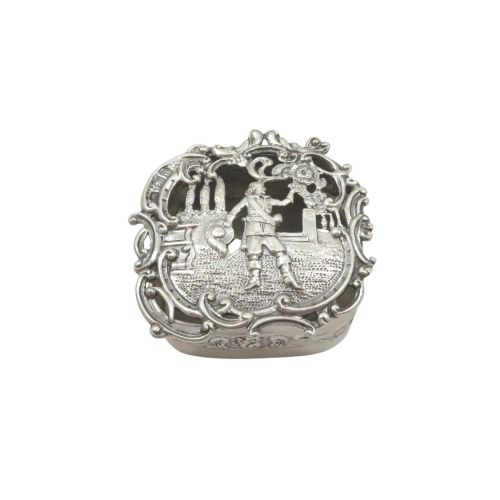
- A specialised container featuring a pierced or perforated lid designed to diffuse scent from dried flowers. They share construction methods with standard vanity boxes.
Repousse Silver Vanity Box: Frequently Asked Questions
What is a repousse silver vanity box used for?
These vessels were originally designed to hold small personal items such as rings, pins, cosmetics, and trinkets on a dressing table. Today they serve a similar decorative and practical purpose in domestic interiors.
Collectors utilise them to store modern jewellery or simply display them as examples of period silversmithing.
How do I date an antique silver box?
Dating relies heavily on the hallmarks stamped into the silver, which identify the assay office and the specific year letter for manufacture. Stylistic clues like Art Nouveau curves or Victorian ornamentation also help narrow the period.
Comparing construction details with documented pieces from makers like William Comyns provides further verification.
Are these boxes made of solid silver?
Most examples listed are made of sterling or solid silver, often marked with the lion passant on British pieces. Some items combine solid silver lids with bodies formed from cut glass or satin glass.
Weight offers a quick indicator of solid metal content versus plated alternatives.
What styles are common in these boxes?
Victorian and Edwardian styles dominate the selection, featuring floral motifs, cherub reliefs, and Rococo Revival curves. Art Nouveau and Anglo-Indian designs also appear frequently among the listings.
Scandinavian mid-century pieces offer a starker, minimalist contrast to the heavily embossed Victorian examples.