



Repousse Silver Pitcher
These repousse silver pitcher pieces combine raised ornamentation and functional form, offering a tangible connection to historical craftsmanship.
Repousse Silver Pitcher
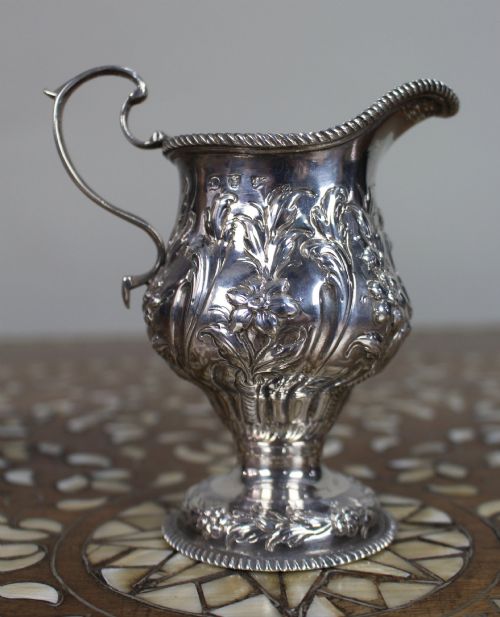
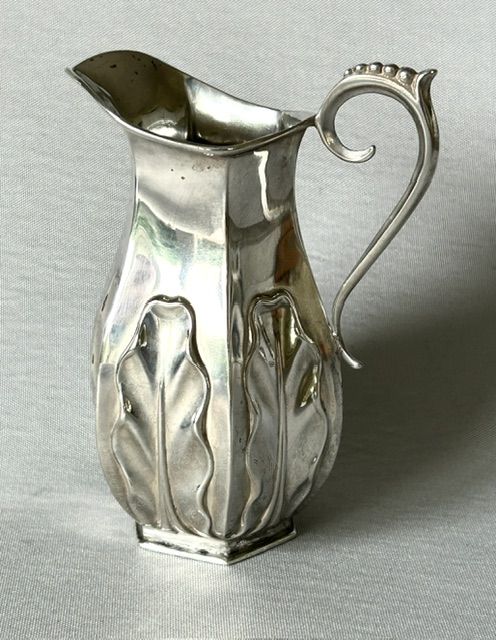
A repousse silver pitcher takes many functional forms, appearing as cream jugs, water jugs, claret jugs, and ceremonial ewers across the listings. Buyers searching this phrase encounter vessels designed for serving liquids, ranging from small domestic cream jugs to larger pitchers and ritual ewers.
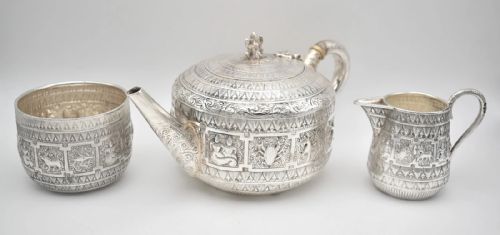
The objects span multiple eras, including Georgian, Victorian, and later periods, alongside regional variations such as Chinese Export and Indo-Tibetan styles. These diverse origins mean a buyer might find a London-hallmarked George III piece or a Chinese silver dragon jug with a bamboo handle.
Domestic cream jugs and larger water pots dominate the domestic examples, while specialised forms like claret jugs combine silver mounts with glass bodies. Each variation reflects the prevailing aesthetic of its period, whether that is Georgian restraint, Victorian Rococo revival, or naturalist ornamentation.
How they were made
The defining characteristic of these items is repousse work, a technique where metal is hammered from the reverse side to form raised designs on the surface. Makers combine this method with chasing, pushing details back in from the front to sharpen the relief of floral, animal, or abstract motifs.
Materials extend beyond standard sterling silver and silver plate to include white metal, timber or wood handles, gilt highlights, and glass bodies fitted with silver mounts. Some pieces incorporate organic elements, such as small bamboo handles on Chinese export examples.
Object forms range widely from domestic cream jugs and tea service components to Chinese export dragon jugs and Indo-Tibetan ceremonial ritual ewers.
What varies in quality
Quality in repousse work rests upon the crispness and depth of the hammered relief, where skilled hands achieve sharp definition without thinning the metal wall. Superior pieces display harmonious proportions between the body, handle, and spout, ensuring the decorative surface enhances rather than overpowers the form.
The integrity of construction separates standard production from finer examples, visible in the secure attachment of handles and the clean execution of hallmarks. Materials also dictate distinction, where solid sterling silver and comprehensive gilding elevate a vessel above plated wares or mixed white metal alternatives.
Luen Hing·George Fox
The Repousse Silver Pitcher Glossary
- Repousse
- A metalworking technique where the artisan hammers the reverse side of a sheet of metal to create a raised design in relief on the front. This method allows for elaborate surface decoration on pitchers and jugs.
- Ewer
- A large jug with a wide spout and a decorative handle, historically used for pouring water. Ceremonial examples often feature intricate repousse ornamentation.
- Claret jug
- A vessel specifically designed for serving wine, typically featuring a glass body fitted with silver mounts, handles, and hinged lids. These often display Victorian craftsmanship.
- Hallmark
- An official stamp applied to precious metals indicating the standard of purity, the maker, and the year of testing. These marks provide reliable dating for Georgian and Victorian pieces.
- Chasing
- A companion technique to repousse where the metal is worked from the front side using punches to refine details and sharpen lines. It adds depth to the raised motifs.
Repousse Silver Pitcher: Frequently Asked Questions
What is a repousse silver pitcher?
A repousse silver pitcher is a hollowware vessel featuring raised ornamentation hammered from the reverse side of the metal. These items include cream jugs, water jugs, and ceremonial ewers.
They serve both functional pouring roles and decorative display functions, reflecting the design preferences of periods ranging from the Georgian era to the late Victorian period.
How do I clean a silver pitcher?
Cleaning requires a soft cloth and a gentle silver polish formulated to remove tarnish without abrading the raised repousse details. Harsh abrasive cleaners can wear down the delicate hammered relief over time.
Careful handling ensures the surface decoration remains crisp and the underlying metal stays protected from unnecessary wear during routine maintenance.
Are these pitchers made of solid silver?
The materials vary across the selection, encompassing solid sterling silver, silver plate, and white metal compositions. Hallmarks on many British items confirm the specific silver standard used.
Descriptions often note whether a piece is solid sterling, silver plated, or mounted onto alternative materials such as glass bodies or wooden elements.
How can I tell the age of a jug?
Age is determined by examining official hallmarks, stylistic markers, and manufacturing techniques recorded in the piece details. Georgian and Victorian items carry distinct design traits and assay marks.
Comparing the decorative style, such as Rococo revival or naturalistic foliage, alongside physical stamps helps narrow down the period of production.
Can I use these pitchers for serving drinks?
Many of these vessels were originally created for domestic use at the table, such as serving cream, water, or claret. Solid silver and silver-plated examples function adequately for liquid service.
Condition and internal linings dictate whether a particular piece remains suitable for daily dining or serves better as a decorative display item.