





Renaissance Wood Panels
Renaissance wood panels bring the tactile weight of early European craftsmanship into a room.
Renaissance Wood Panels
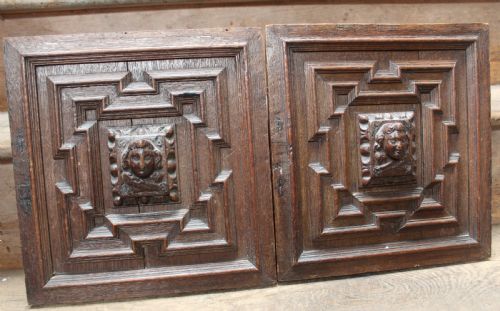
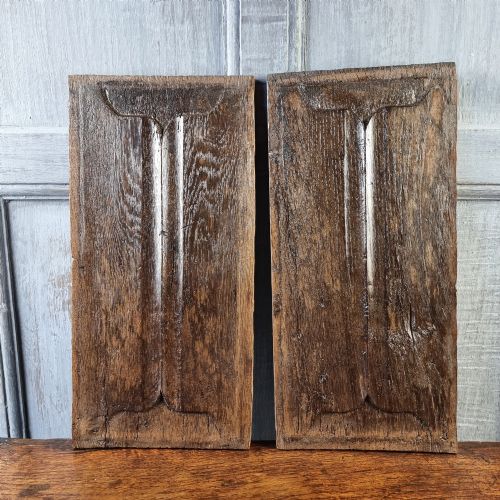
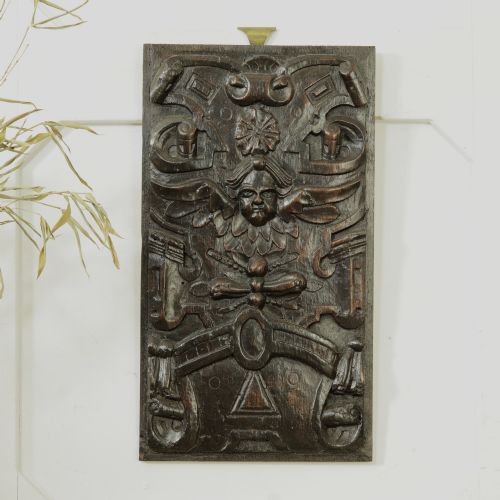
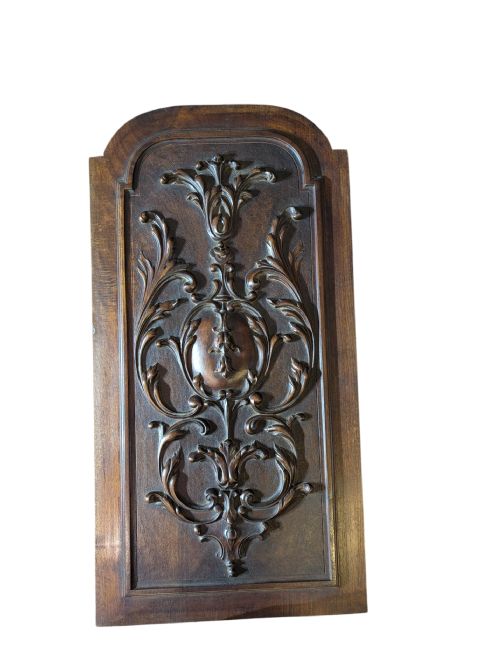
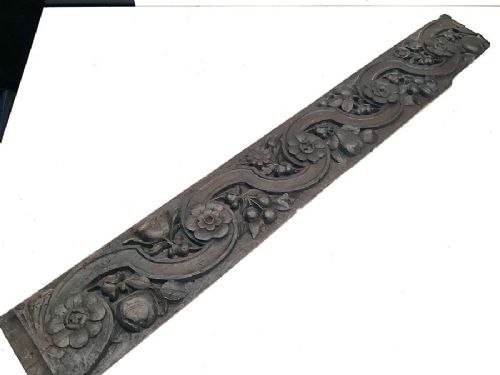
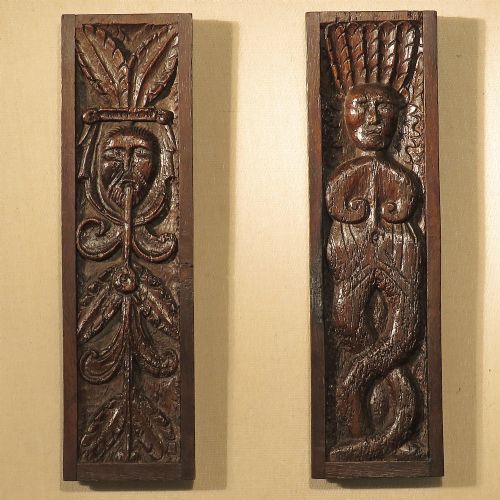
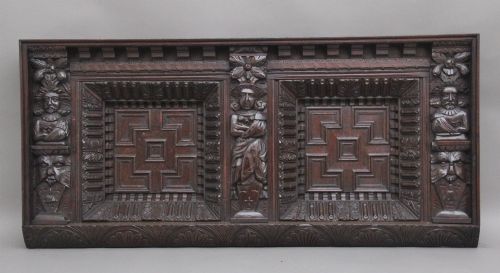
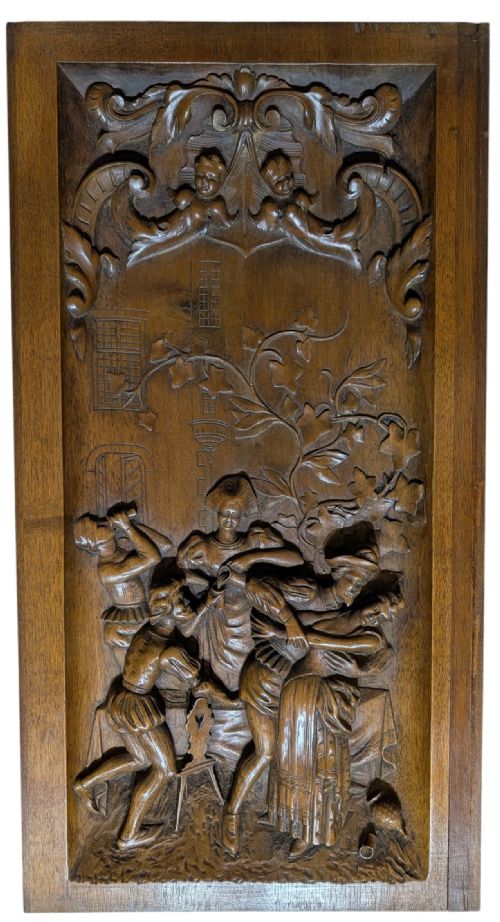
Renaissance wood panels encompass carved architectural elements, wall art, and relief sculptures originating primarily from the sixteenth and seventeenth centuries, alongside later nineteenth-century revivals. Pieces range from small linenfold sections and coffer fronts to figurative panels depicting religious and mythological subjects.
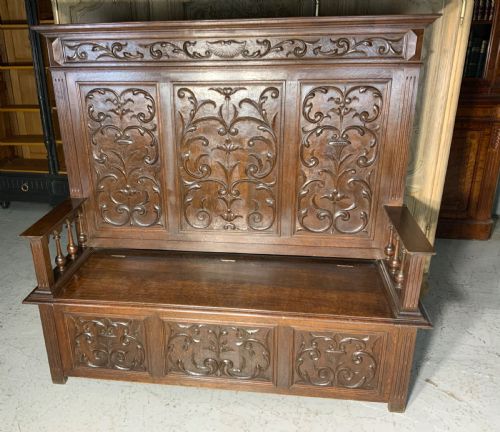
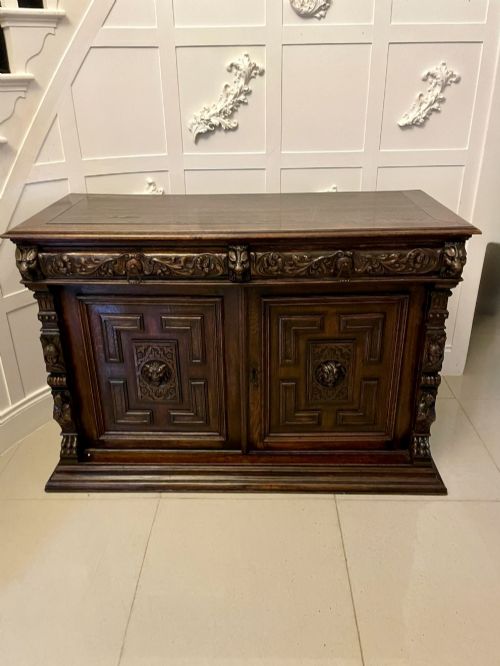
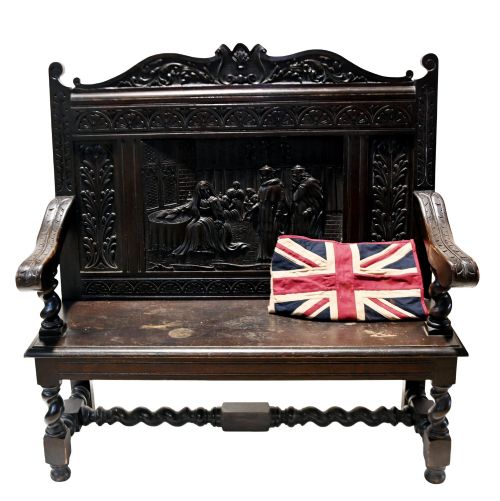
The most common examples encountered on this page are carved oak and walnut sections salvaged from larger domestic or ecclesiastical interiors. These include overmantles, furniture components, and framed wall plaques that retain the robust proportions of Tudor and Jacobean design.
How they were made
Maker-carvers worked primarily in dense hardwoods such as oak and walnut, utilising hand chisels and gouges to achieve high-relief forms. Surfaces were frequently enriched with gold leaf, tempera, or polychrome paint, particularly on devotional pieces and figurative group carvings.
Construction techniques relied on traditional joinery, framing panels within stiles and rails to accommodate the natural movement of timber over centuries. Architectural salvage elements often show evidence of structural adaptation from larger furniture or wall schemes.
Renaissance Wood Panels Retail Price Guide 2026
Typical asking prices for renaissance wood panels among the pieces listed under this phrase on Sellingantiques today, from the lower quarter to the upper quarter. They describe what is for sale here now, not the wider market.
Materials across these listings span solid oak, walnut, and fruitwood, enhanced with gold leaf, metal, and tempera.
What varies in quality
Quality rests in the crispness of the hand carving and the depth of the relief work, where skilled detailing separates expressive figurative panels from repetitive geometric patterns. The integration of the wood's natural grain with the chisel work dictates the visual strength of the piece.
Original surface preservation heavily influences desirability, distinguishing untouched sixteenth-century patination from later nineteenth-century revival interpretations. The integrity of the timber, free from aggressive modern alteration, maintains the historic authenticity of the carving.
Icilio Federico Joni·Hugues Sambin
The Renaissance Wood Panels Glossary
- Linenfold
- A style of wood carving that imitates folded linen, popular on sixteenth-century panels and coffer fronts. It creates a textured, rhythmic surface across flat timber.
- Caryatid
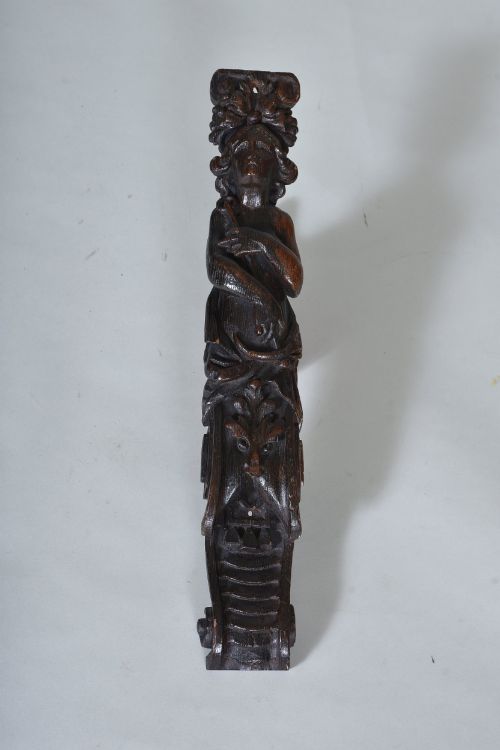
- A sculpted female figure serving as an architectural support in place of a column or pilaster. These appear frequently on sixteenth and seventeenth-century furniture and architectural salvage.
- Polychrome
- The practice of decorating architectural elements and wood carvings in a variety of bright colours. It is frequently found on sixteenth-century devotional panels alongside gold leaf.
- High-Relief
- A sculptural technique where the figures project significantly from the background plane. This method creates strong shadow lines and dramatic depth in religious and secular carvings.
- Overmantle
- A decorative framework placed above a fireplace mantel, often incorporating carved oak panels, mirrors, or architectural mouldings from the seventeenth century and later revivals.
Renaissance Wood Panels: Frequently Asked Questions
How were Renaissance wood panels originally used?
These panels functioned primarily as architectural wall linings, choir stalls, and structural components of large furniture pieces such as coffers and cabinets.
They insulated stone walls in wealthy homes and conveyed religious or familial status through carved iconography.
How do I hang a heavy wood panel safely?
Secure mounting requires attaching a sturdy timber batten directly to wall studs to support the substantial weight of dense oak or walnut.
Professional mirror and art hangers should be consulted to ensure the historical frame or backing takes the load evenly.
Can I tell a sixteenth-century panel from a nineteenth-century revival piece?
Original sixteenth-century panels display tool marks consistent with hand-cleaving and early chisels, alongside deep oxidation and shrinkage cracks in the oak or walnut.
Revival pieces from the Victorian era often show mechanical sawing traces and tighter, more uniform timber grain.
How should I care for antique wood panels at home?
Maintain stable indoor humidity and keep panels away from direct heat sources to prevent the historic timber from splitting or warping.
Dust gently with a dry, soft cloth and avoid modern liquid polishes that can degrade aged wax and exposed tempera surfaces.