



Renaissance Wood Cabinet
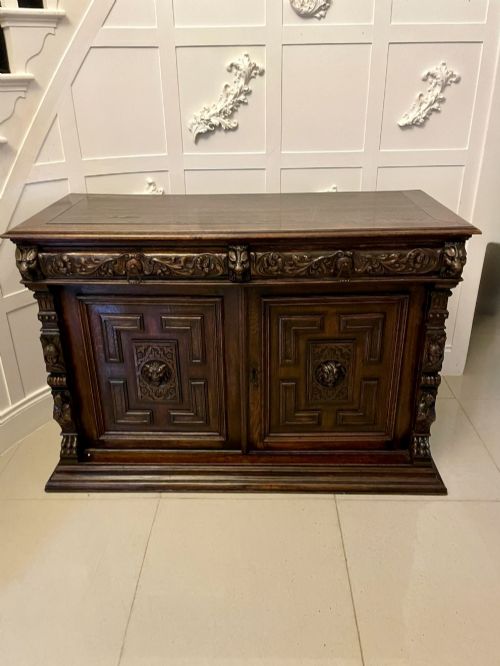
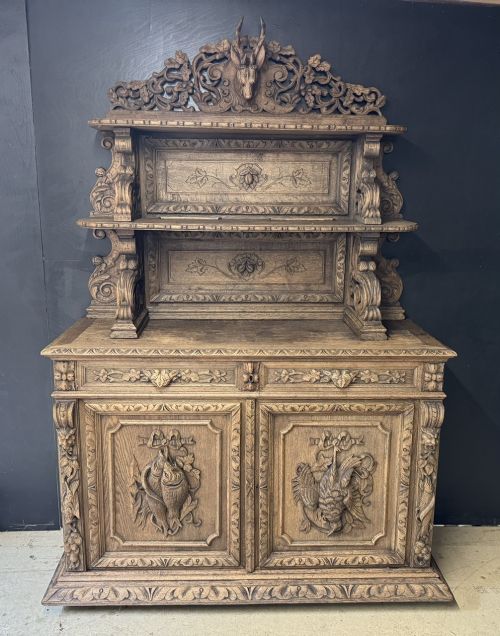
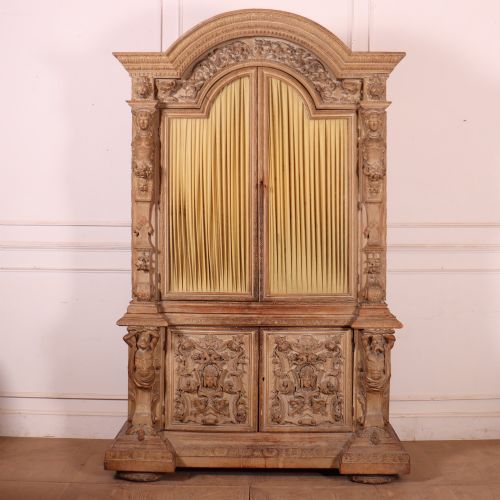
A renaissance wood cabinet brings heavy carving and architectural presence into a room, offering grand storage through walnut and oak facades.
Renaissance Wood Cabinet
Makers of the nineteenth century adapted historical Italian, French, Spanish, and Flemish models to create heavy storage furniture featuring sculptural figures and panels. Alongside these revival works, genuine seventeenth-century walnut and marquetry examples surface, demonstrating the early roots of the form.
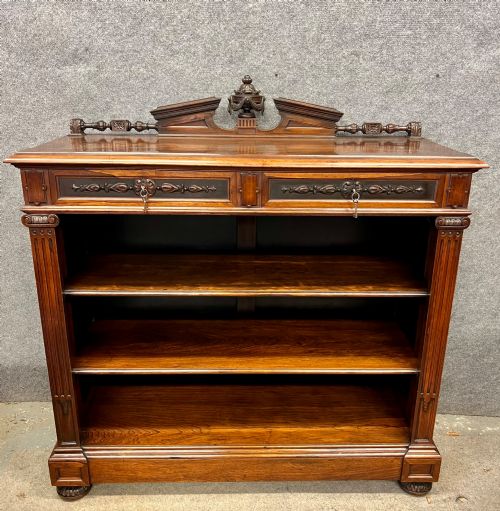
The typology extends from tall bookcases and breakfront sideboards to diminutive tabletop cabinets and writing desks. Each form utilises substantial timbers and pronounced cornices to dominate a wall.
Materials and construction
Cabinetmakers relied heavily on dense native hardwoods, principally walnut and oak, supplemented by exotic timbers such as rosewood and amboyna for exhibition pieces. These substantial boards provided the structural rigidity required for deep relief carving and large architectural facades.
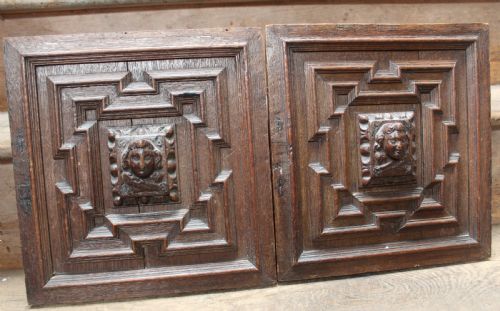
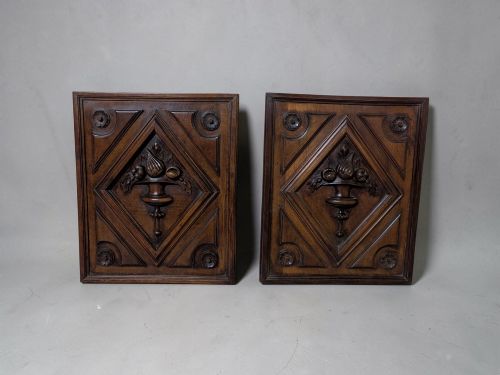
Surface enrichment relied on hand carving, creating high-relief cherubs, green men, lion masks, and figural bambocci motifs directly into the solid wood. Marquetry inlay and ebonised details further articulated the geometric and figurative panels.
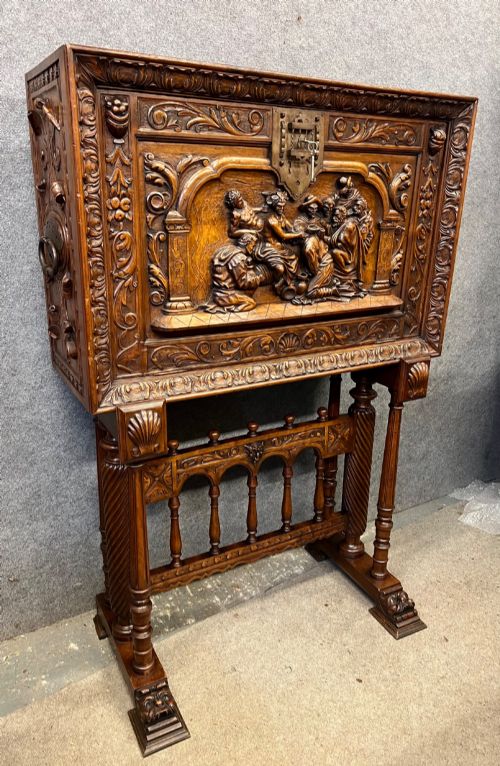
Metalwork played a structural and decorative role, with wrought iron and brass mounts reinforcing corners, hinges, and drop handles on fall-front writing cabinets and varguenos.
Renaissance Wood Cabinet Retail Price Guide 2026
Typical asking prices for renaissance wood cabinet among the pieces listed under this phrase on Sellingantiques today, from the lower quarter to the upper quarter. They describe what is for sale here now, not the wider market.
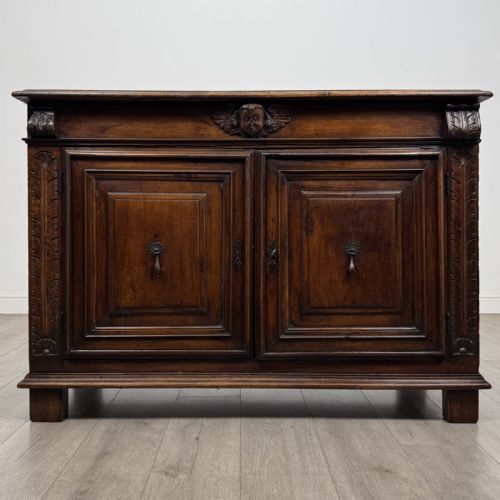
Green man carvings peer out from heavy oak sideboards, quietly watching dinner parties unfold from beneath centuries of accumulated wax.
Assessing quality and execution
The choice of timber grain and the complexity of marquetry inlay dictate the visual weight of the facade. Well-figured walnut and book-matched veneers demonstrate a higher grade of material selection than plain, utility-grade boards.
Structural integrity depends on the joinery of the carcass and the stability of large timber panels over centuries. Cabinets retaining original stands, hardware, and uncompromised structural alignment hold greater authority than heavily altered examples.
Sigmund Jaray, Wien
The Renaissance Wood Cabinet Glossary
- Vargueno
- A traditional Spanish cabinet with a fall-front panel that opens to reveal a cluster of small drawers and compartments, often mounted on a trestle stand. These pieces frequently feature bone inlay and intricate gilt decoration.
- Bambocci
- Small carved wooden figures, often representing peasant life or grotesque characters, applied as structural supports or decorative pilasters on Italian furniture. They became popular during the sixteenth century and saw heavy revival in the nineteenth.
- Green Man
- A sculptural architectural motif depicting a human face disgorging foliage, vines, or branches from its mouth. This pagan symbol of rebirth appears frequently among the carved oak mounts of revival sideboards.
- Marquetry
- The art of applying decorative veneer pieces of different woods, metals, or bone onto a structural panel to create pictorial designs. It requires precise cutting and fitting to achieve complex geometric or floral patterns.
- Buffet
- A low sideboard or cupboard intended for the serving and display of food and plate. In revival forms, these incorporate heavy tiers, columns, and figural corbels.
Renaissance Wood Cabinet: Frequently Asked Questions
How do I spot a nineteenth-century copy from an earlier piece?
Nineteenth-century revival pieces often display machine-assisted saw marks on hidden internal secondary boards, whereas older seventeenth-century constructions rely entirely on pit-sawn and hand-planed timbers.
The style of the hardware, the oxidation of iron nails, and the shrinkage patterns in the wood grain also help separate a genuine early period cabinet from a later stylistic homage.
Where should I place a heavy oak sideboard in a modern home?
These imposing timber pieces require structural wall support and generous floor space to balance their visual weight. Placing them in a dining room or a high-ceilinged hallway allows the architectural cornices and carved panels to function as a focal point.
Keep them away from direct heat sources and strong sunlight to prevent the dense walnut and oak panels from splitting or warping over time.
How do I care for antique carved wood surfaces?
Dust the deep recesses of the carvings regularly with a soft-bristled brush to prevent particulate buildup in the grain. Apply a high-quality microcrystalline wax sparingly once or twice a year to nourish the timber without creating a sticky film.
Avoid silicone-based sprays and commercial polishes, which can penetrate open pores and damage the historic patina of the wood.