



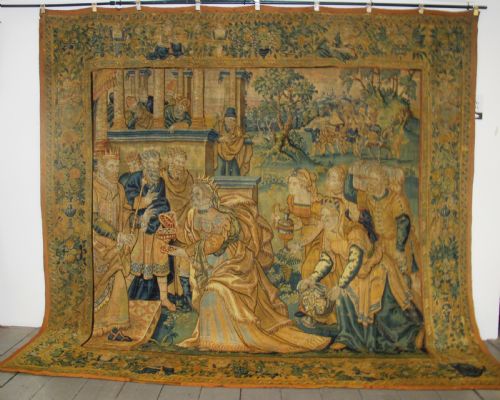
Renaissance Wall Textile
A renaissance wall textile brings centuries of woven artistry indoors, offering rich colour and texture to define a historic interior.
Renaissance Wall Textile
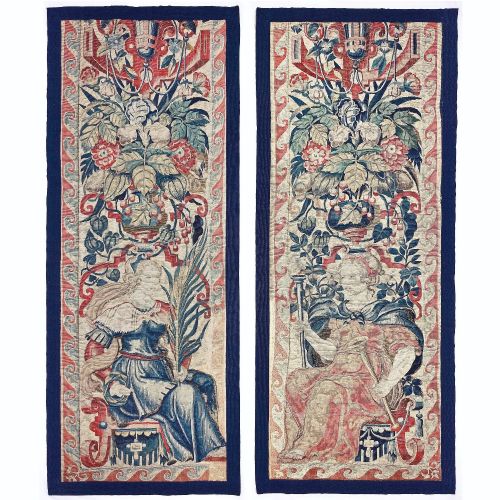
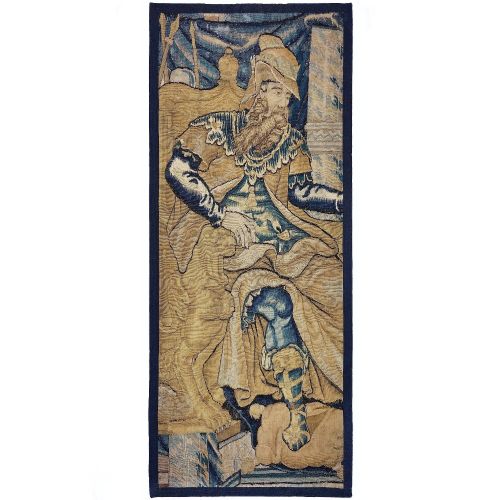
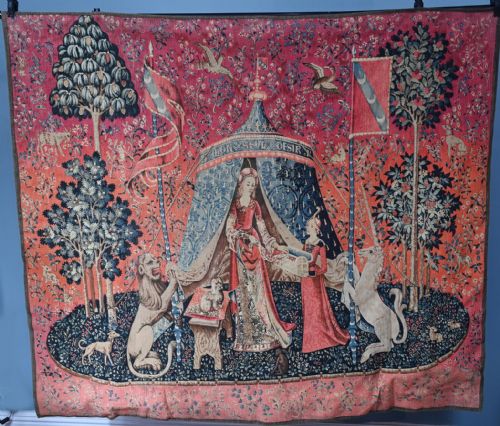
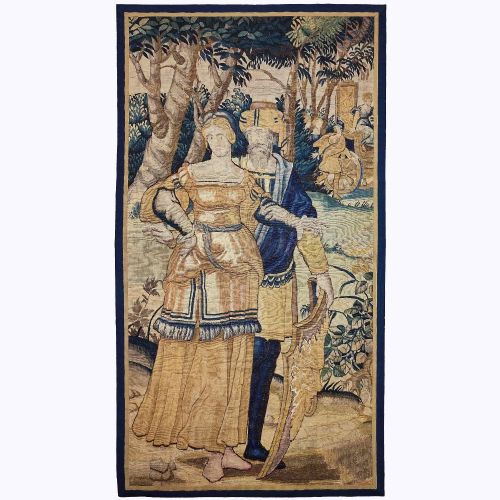
A renaissance wall textile is a woven or embroidered panel designed for display, encompassing Flemish and continental wall hangings, tapestries, and antique textiles. When you search for this phrase, you find wall art spanning several centuries, from authentic sixteenth and seventeenth-century fragments to nineteenth-century revivals.
The pieces you are most likely to meet on this page include Flemish tapestry panels, embroidered silk velvet, pilaster hangings, and framed needlepoint panels. They range from large room-scale wall coverings to narrow vertical fragments featuring classical motifs, grotesque masks, and figural scenes.
How they were made
These textiles rely primarily on wool and silk yarns, frequently enriched with metal thread, gold thread, and velvet. Artisans wove or embroidered these materials by hand, constructing pictorial surfaces with dense warp and weft threads.
Many surviving pieces exist as fragments or panels mounted on fabric or set within wooden frames, occasionally protected by glass. The construction combines loom-woven pictorial scenes with needlework embroidery and applied textile borders.
Renaissance Wall Textile Retail Price Guide 2026
Typical asking prices for renaissance wall textile among the pieces listed under this phrase on Sellingantiques today, from the lower quarter to the upper quarter. They describe what is for sale here now, not the wider market.
Materials recorded across the available pieces include wool, silk, velvet, cotton, gold thread, glass, and wood.
What varies in quality
Quality in a renaissance wall textile depends upon the fineness of the weave, the preservation of the original dyestuffs, and the complexity of the imagery. Pieces featuring detailed metal thread work and expressive figural drawing stand apart from simpler decorative panels.
Condition and integrity also define the upper tier, distinguishing intact historical wall hangings from heavily restored fragments. The depth of the colour palette and the clarity of the Flemish or continental design dictate the visual weight of the textile.
The Renaissance Wall Textile Glossary
- Tapestry
- A form of heavy textile art woven on a loom with coloured threads to create a pictorial image. These wall hangings were historically used to insulate stone chambers as well as to decorate rooms.
- Grotesque
- A style of decorative ornament involving fanciful combinations of animals, human figures, and foliage. This motif appears frequently on sixteenth and seventeenth-century panels.
- Needlepoint
- A type of canvas work embroidery stitched by hand using wool or silk yarn. Early panels executed in this technique often function as wall art.
- Mille-fleurs
- A background style characterised by a multitude of small flowers and plants scattered across a green field. This design appears in early Flemish and French tapestries.
Renaissance Wall Textile: Frequently Asked Questions
How do I hang a heavy tapestry?
Large wall textiles require even weight distribution across a sturdy wooden batten or hidden metal rod. Professional framers can also mount panels securely behind glass.
Avoid hanging heavy wool and silk textiles directly from small nails or pins, which can tear vulnerable historic fibres over time.
Are these textiles fragile?
Antique wall hangings made from wool, silk, and metal thread are delicate and require careful handling. Centuries of exposure to light and tension mean the fibres need gentle support.
Keep pieces away from direct sunlight and damp environments to preserve the integrity of the natural yarns.
How do I date an old tapestry?
Dating relies upon stylistic analysis of the figures, costume details, border designs, and weaving techniques. Flemish Renaissance pieces often show distinct narrative conventions compared to later revival works.
Examining the reverse side reveals the original hand-spun wool and dye variations that help confirm the period.