




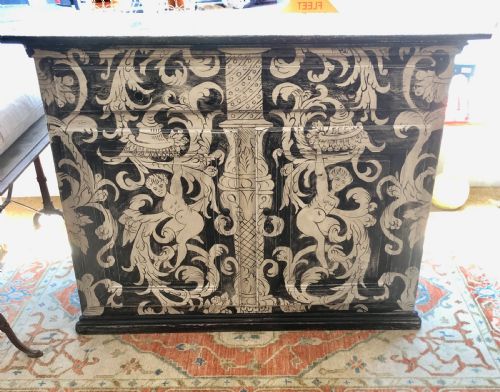


Renaissance Style Buffet
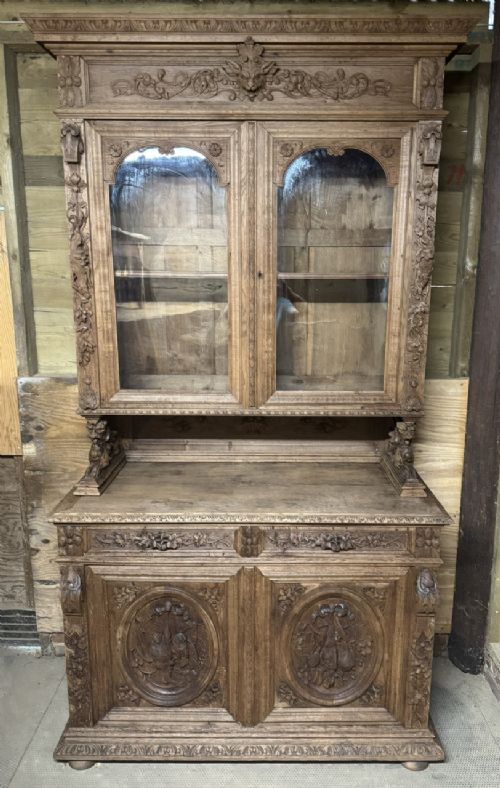
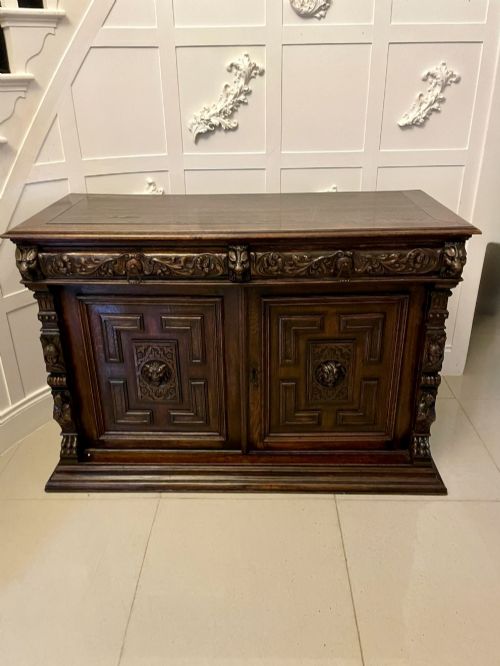
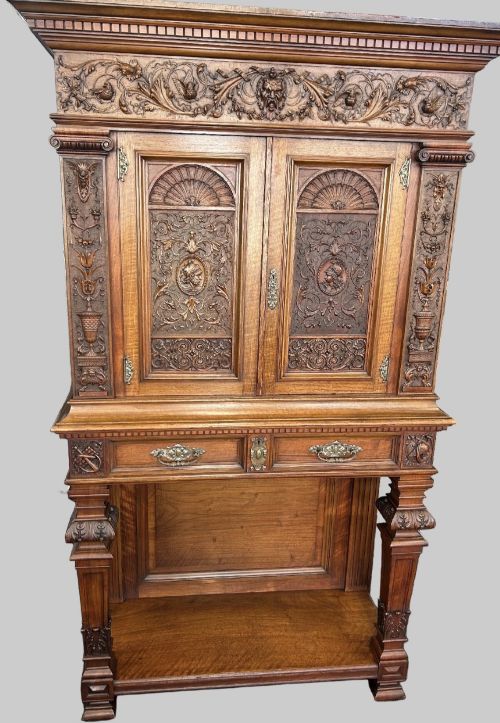
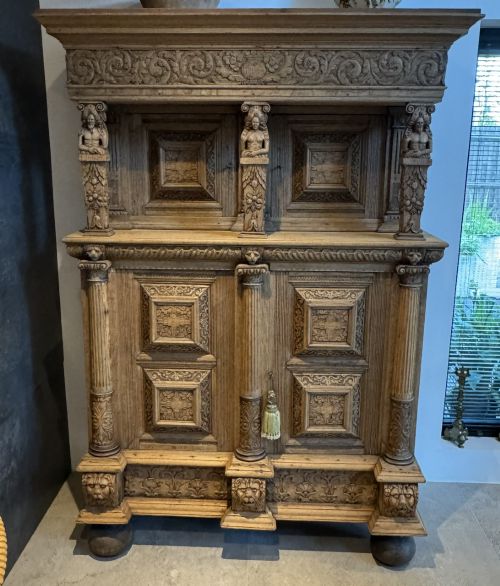
A renaissance style buffet brings grand architectural presence and deep historic carving into a room, offering both generous storage and striking focal weight.
Renaissance Style Buffet
A renaissance style buffet draws on historical European design, translating 17th century architectural motifs and heavy proportions into substantial serving and storage furniture. These pieces span centuries of revivalism, most notably appearing in 19th century interpretations alongside occasional genuinely earlier examples.
Object types range from sideboards and buffets to game cupboards and dressers, all sharing a distinct architectural lineage. Each piece utilises traditional storage formats adapted for display and utility, maintaining the imposing character of the original renaissance period.
Assessing Quality and Execution
Quality in a renaissance style buffet rests entirely in the depth and sharpness of the carved detail. The finest examples display crisp, undercut relief work across figures, foliage, and architectural moulding, whereas simpler pieces rely on shallow surface stamping or plain panels.
The selection of timber and the integrity of the joinery further distinguish superior pieces. Well-executed examples maintain balanced proportions and harmonious hardware, showing careful attention to the historical vocabulary of the revival period.
Renaissance Style Buffet Retail Price Guide 2026
Typical asking prices for renaissance style buffet among the pieces listed under this phrase on Sellingantiques today, from the lower quarter to the upper quarter. They describe what is for sale here now, not the wider market.
The listings on this page span several centuries, with 19th-century revival pieces forming the largest group alongside select 17th and 18th-century examples.
Gillows·Melissa White
The Renaissance Style Buffet Glossary
- Renaissance Revival
- A 19th century design movement that reinterpreted classical 15th and 16th century forms, ornament, and architectural elements. This aesthetic dominates the majority of revival buffets and sideboards.
- Buffet de Corps
- A traditional French two-body cabinet featuring a lower storage section surmounted by an upper cupboard or display tier. These pieces offer substantial vertical presence and intricate carved iconography.
- Grotesque
- A style of decorative ornament featuring fanciful human and animal forms intertwined with foliage and scrollwork. It appears frequently in carved panels on continental revival cabinets.
- Flemish Baroque
- A flamboyant style characterised by heavy scrollwork, dramatic movement, and rich carving details. This influence is often visible in continental cupboards from the period.
Renaissance Style Buffet: Frequently Asked Questions
What is a renaissance style buffet used for?
These large cabinets serve as statement storage pieces in dining rooms, hallways, and principal living spaces. They provide deep interior shelving for tableware, linens, or general storage while offering a surface for display.
The substantial top surface also functions well for serving food and drinks during gatherings, echoing the historical purpose of grand dining room furniture.
How do I identify a 19th century revival piece?
Nineteenth century revival pieces combine historical motifs like caryatids, heavy paneling, and geometric carvings with 19th-century construction methods. Look at the interior secondary woods and the cut of the timber to confirm the era of manufacture.
The scale and hardware often point directly to Victorian revival workshops rather than 17th or 18th century originals.
Are these pieces made of solid wood?
Most pieces listed are constructed from solid oak or walnut, which provides the necessary weight and stability for deep relief carving. These dense timbers allow for crisp architectural details that hold up over centuries of use.
Secondary woods may be used in drawer linings or interior backing boards, consistent with period furniture manufacturing standards.
How do I care for a carved wooden buffet?
Maintain the wood by applying a quality beeswax periodically to nourish the surface and prevent the timber from drying out. Keep the piece away from direct heat sources and strong sunlight to protect the finish.
Dust the intricate carvings gently with a soft brush to prevent buildup in the recessed areas of the relief work.