




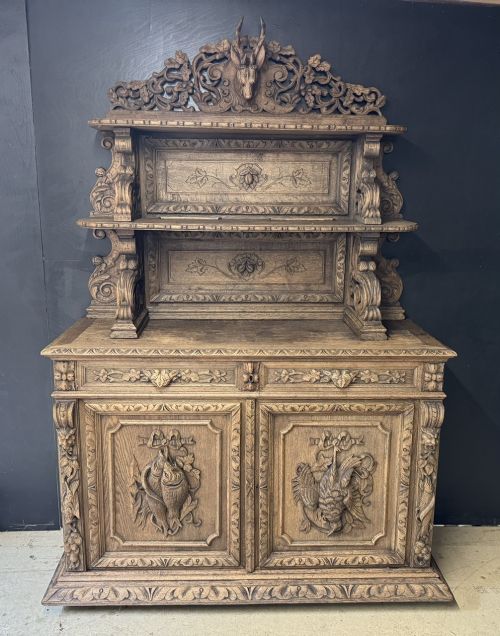
Renaissance Carved Wood
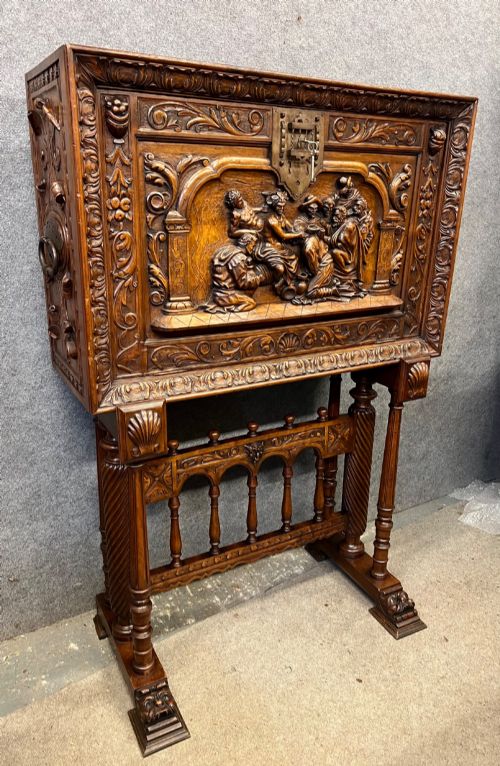
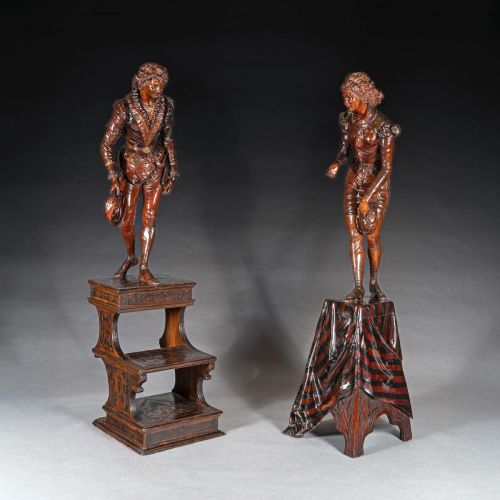
These pieces of renaissance carved wood bring heavy oak panels, walnut armchairs and figural sculptures into contemporary rooms with substantial presence.
Renaissance Carved Wood
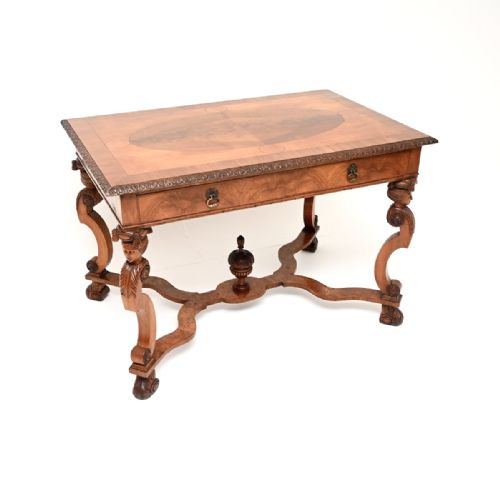
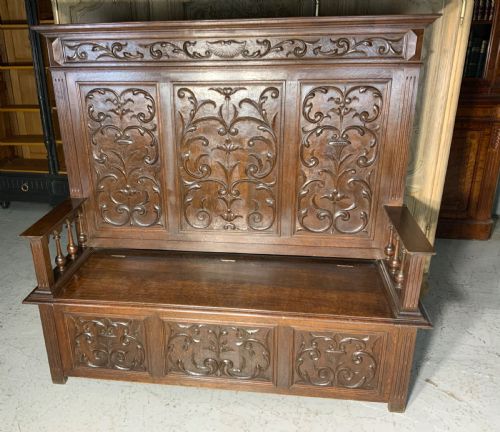
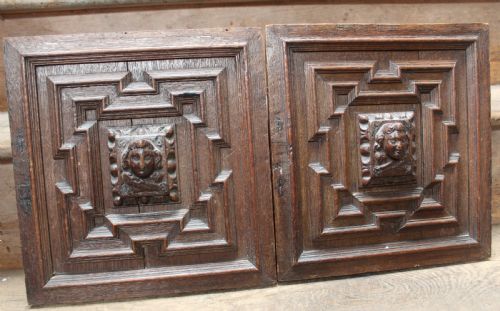
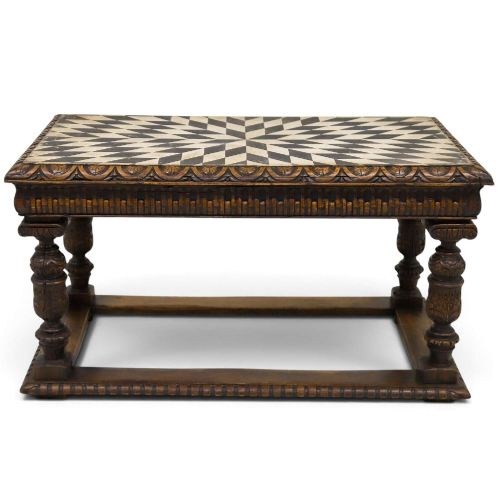
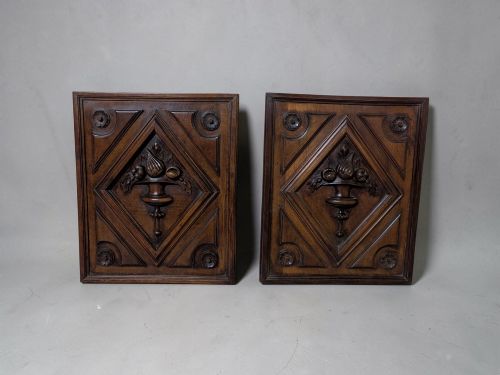
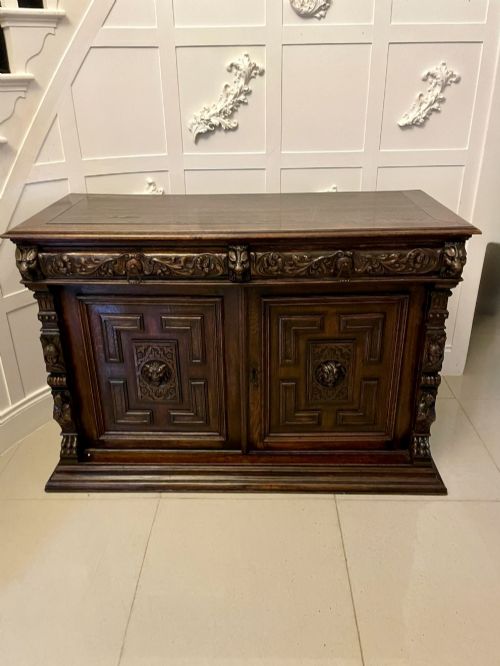
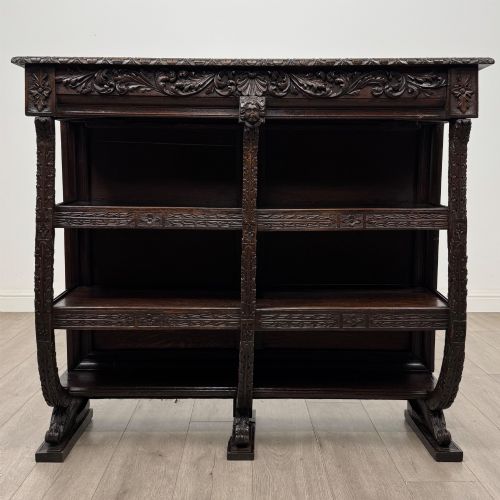
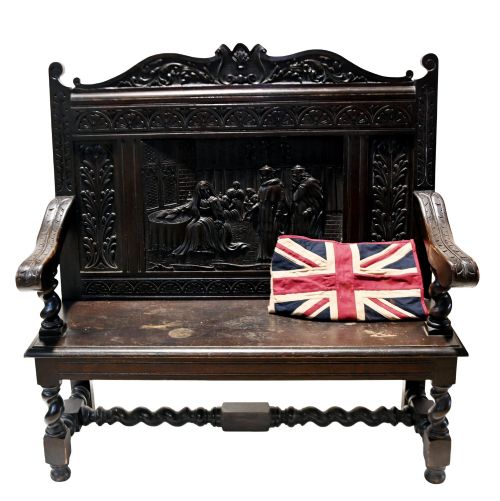
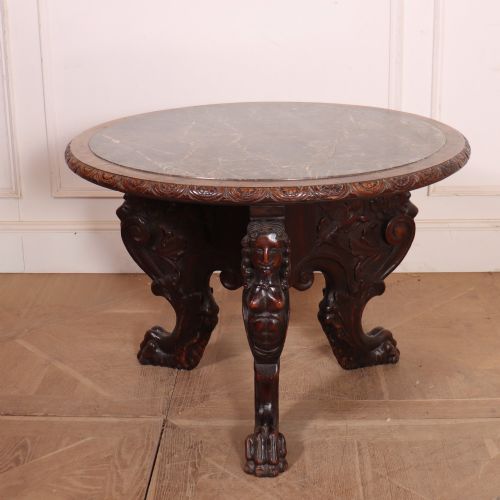
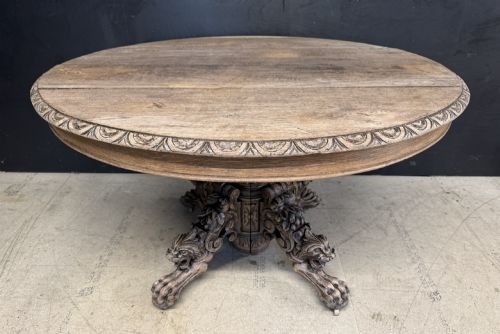
When you search for renaissance carved wood, you encounter architectural salvage, wall panels, armchairs, and storage furniture spanning the sixteenth century to the nineteenth-century revival periods. The items range from small oak linenfold panels and figural reliefs to large walnut sideboards, hall benches, and tables.
Most examples originate from English, French, and Italian workshops, covering authentic sixteenth and seventeenth-century items alongside nineteenth-century revival interpretations. Common functional forms include chests, bookcases, mirrors, and pedestals that display classical motifs and deep relief carving.
Buyers select these objects to anchor rooms with historic texture, utilising sturdy materials like oak and walnut that carry centuries of handling and patination. The selection blends functional seating and surfaces with decorative panels and standalone sculptures.
How they were made
Items rely heavily on solid oak and walnut, worked with hand chisels and gouges to achieve high-relief figures, scrolling foliage, and geometric linenfold patterns. Cabinetmakers joined structural elements using traditional pegged mortise and tenon joints, while surfaces often received wax or oil finishes to protect the grain.
Gilt, gesso, and brass accents appear on specific revival pieces and Italian mirrors, adding contrast to the dark timber grounds. Carvers utilised local woods such as cypress on chests and employed inlay techniques alongside relief work to create depth.
Renaissance Carved Wood Retail Price Guide 2026
Typical asking prices for renaissance carved wood among the pieces listed under this phrase on Sellingantiques today, from the lower quarter to the upper quarter. They describe what is for sale here now, not the wider market.
Listings span eight distinct periods from the sixteenth century through the Victorian era, alongside revival styles from France and Italy.
What varies in quality
Depth and sharpness of the chisel work distinguish superior carvings from routine production, separating crisp anatomical details on figures and clean foliage edges from softer, shallower cutting. The architectural proportions of columns, panels, and frames dictate whether an item holds visual balance.
Original surface patination and timber selection define the upper tier, where untreated grain and deep wax accumulation show decades of age rather than chemical staining or excessive sanding. Structural integrity in joints, drawer linings, and backboards marks the difference between untouched survivals and heavily adapted items.
Valentino Besarel·Andrea Brustolon
The Renaissance Carved Wood Glossary
- Linenfold
- A style of relief carving imitating folded parchment or linen, common on sixteenth-century panels and chest fronts. This motif gives flat wooden surfaces a textured, textile-like appearance.
- High-Relief
- A sculptural technique where figures and ornaments project significantly from the background plane. This method creates strong shadows and three-dimensional depth on panels and friezes.
- Draw Leaf Table
- A dining table with extension leaves stored beneath the main top that pull out to lengthen the surface. This mechanism allows the table footprint to expand without removing the central top.
- Patina
- The surface sheen and colour acquired by timber and metal through age, handling, and polishing. Good patination shows soft reflectivity rather than a glossy varnish finish.
- Green Man
- A decorative motif representing a human face sprouting from or entwined with foliage and vines. It appears frequently on carved architectural panels and furniture from the sixteenth century onwards.
Renaissance Carved Wood: Frequently Asked Questions
How do I date a carved oak panel?
Dating relies on tool marks left by hand chisels, timber shrinkage patterns, and the style of the joints. Sixteenth-century examples display irregular adze or hand-saw marks on the reverse alongside pegged mortise construction.
Revival pieces from the nineteenth century often show uniform machine-cut timber surfaces and modern screws. Comparing the relief motifs against documented period examples helps confirm the era of manufacture.
Where were these carved panels originally placed?
Historic carved panels formed part of wall panelling schemes, overmantels, or the structural framework of large cupboards and bedframes. They decorated domestic interiors, civic halls, and ecclesiastical buildings to display status and piety.
Later dismantling of these interiors turned individual sections into architectural salvage suitable for wall hanging or incorporation into new furniture.
How should I care for antique walnut furniture?
Walnut requires stable indoor humidity away from direct heat sources and sunlight to prevent the timber from splitting or warping. Cleaning should involve only a soft, dry cloth to remove dust without stripping the natural oils.
Applying a microcrystalline wax once or twice a year feeds the dry wood and maintains the protective surface sheen.
What is the difference between authentic sixteenth-century work and nineteenth-century revival?
Sixth-century items carry the wear patterns, structural shifts, and tool signatures of early hand production, often utilising native regional timbers. Nineteenth-century revival pieces utilise historic forms and motifs but reflect Victorian or continental workshop standards of precision and scale.
Both categories hold distinct appeal, with revival items offering decorative utility and earlier pieces providing historical directness.