



Religious Wooden Cross
A religious wooden cross brings centuries of devotion into the home, ranging from simple folk carvings to elaborate Baroque altar pieces.
Religious Wooden Cross
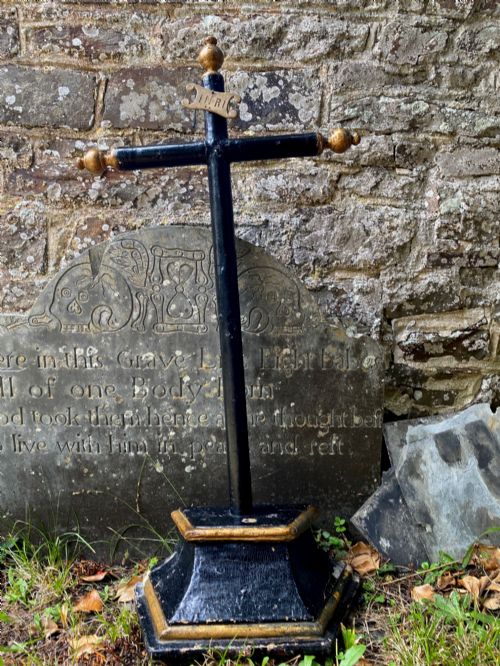
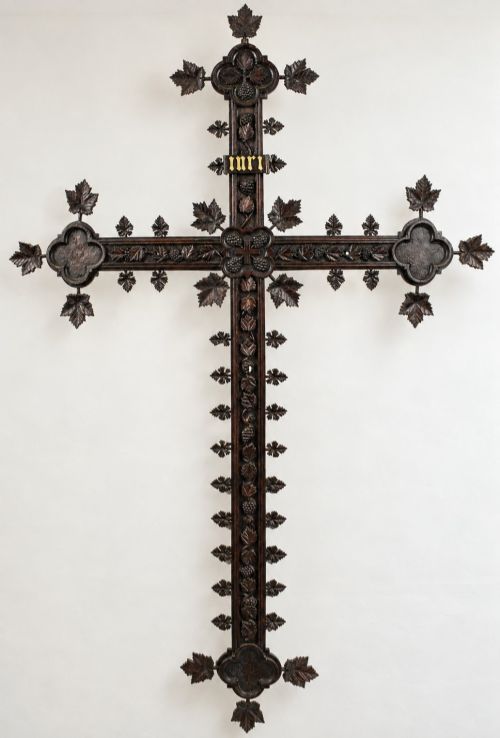
A religious wooden cross encompasses wall sculptures, standing crucifixes, and prayer chairs that reflect centuries of Christian devotion. These devotional items take many forms, from simple carved oak pieces to intricate works featuring silver and gilt.
The versions met on this page span from the sixteenth century through to the art deco period. Pieces originate from various European traditions, including Spanish, French, German, and Russian workshops.
Forms include traditional crucifixes alongside relief sculptures depicting scenes such as Christ carrying the cross. Functional devotional furniture like prie dieu prayer chairs also appear alongside wall panels and icons.
Materials and construction
Makers utilised a variety of hardwoods including oak, boxwood, olive wood, and rosewood, often enhanced with ebonised finishes or dark wood stains. Carved wood forms the foundation of these devotional objects, showing skilled hand work across centuries.
Surface treatments incorporate gilding, silver, and metal elements to highlight the Corpus Christi and surrounding details. Some icons employ tempera paint directly onto wooden panels alongside precious metals.
Textiles also feature in the construction of devotional spaces, with green velvet appearing on prayer chairs. These mixed media elements demonstrate the diverse approaches taken by historical makers.
Religious Wooden Cross Retail Price Guide 2026
Typical asking prices for religious wooden cross among the pieces listed under this phrase on Sellingantiques today, from the lower quarter to the upper quarter. They describe what is for sale here now, not the wider market.
Materials recorded across the inventory include oak, boxwood, rosewood, velvet, silver, and gilt.
Qualities that separate examples
The depth and expression of the carving determine the distinction between basic workshop items and masterworks. Anatomical precision in the Corpus Christi and the emotional resonance of facial expressions separate superior relief sculptures from standard pieces.
The choice of primary timber and secondary materials influences the overall character of the piece. Dense hardwoods and the careful application of gilding or silver leaf indicate higher standards of production.
Age and regional style dictate the historical interest of an object. Pieces retaining their original surface treatments and mounted elements possess greater integrity than those with later alterations.
The Religious Wooden Cross Glossary
- Corpus Christi
- The figure of Jesus Christ mounted on a cross. This Latin term translates to the body of Christ.
- Prie Dieu
- A small desk or chair designed specifically for kneeling and private prayer. These items often incorporate upholstered elements such as velvet.
- Gilding
- The application of a very thin layer of gold leaf or gold powder to a surface. This technique adds luminous detail to wooden carvings and icons.
- Ebonised wood
- Timber treated with a chemical or stain to give the appearance of ebony. This dark finish was frequently utilised in nineteenth century pieces.
- Icon
- A religious work of art, typically painted on wood panels in the Eastern Orthodox tradition. These sacred images often combine tempera with silver and gilt elements.
Religious Wooden Cross: Frequently Asked Questions
How do I identify the wood used?
Examining the grain, weight, and colour helps determine the timber species. Oak displays distinct medullary rays, while boxwood and olive wood offer finer, denser grain patterns.
Dark wood finishes and ebonised treatments were frequently applied to alter the natural appearance of the timber for decorative effect.
What is a Russian icon?
A Russian icon is a sacred painting on wood that serves as an object of veneration in Orthodox tradition. These panels often combine tempera with applied silver and gilt metals.
Master workshops produced these devotional works using traditional techniques passed down through generations.
What does corpus christi mean?
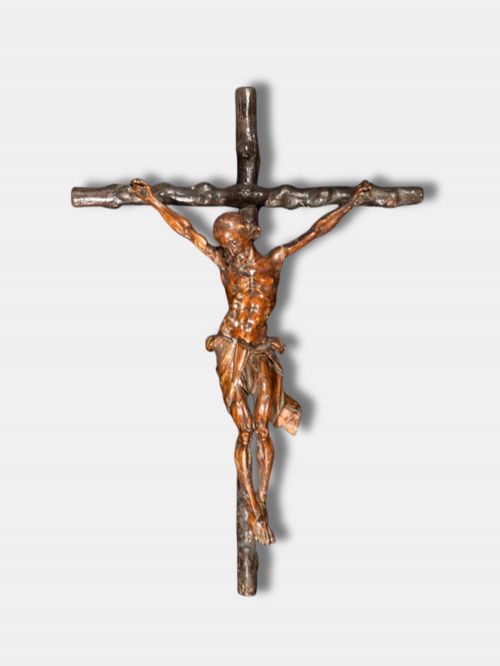
The term refers specifically to the sculptural figure of Christ affixed to the cross. These figures vary from simple carved wooden forms to detailed anatomical studies.
Materials range from boxwood to metal elements mounted on contrasting wooden crosses.