

Religious Portrait Art
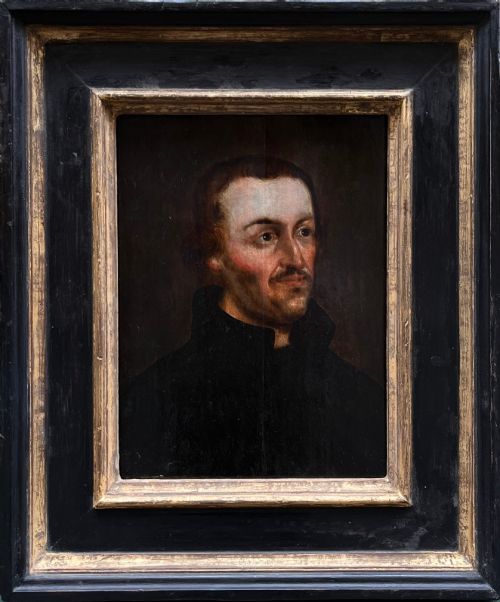
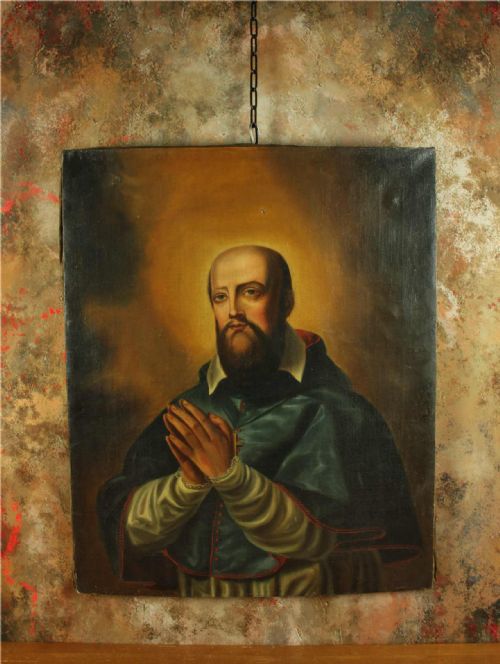
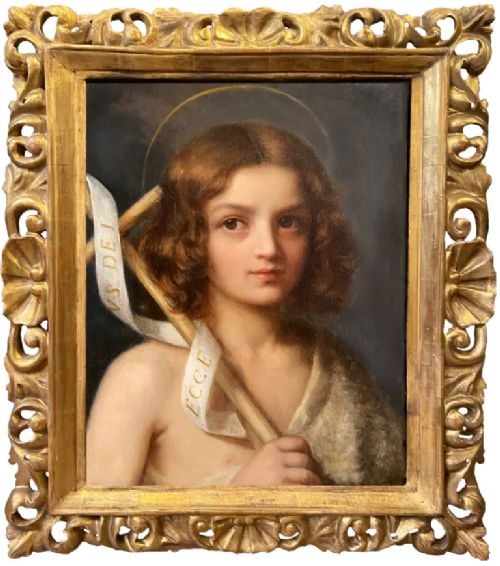
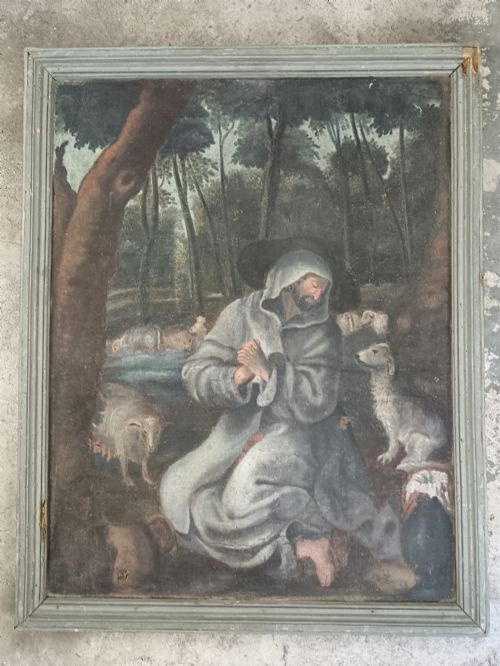
Religious portrait art captures centuries of sacred devotion through oil paintings, panels and miniatures depicting saints, biblical figures and clergy.
Religious Portrait Art
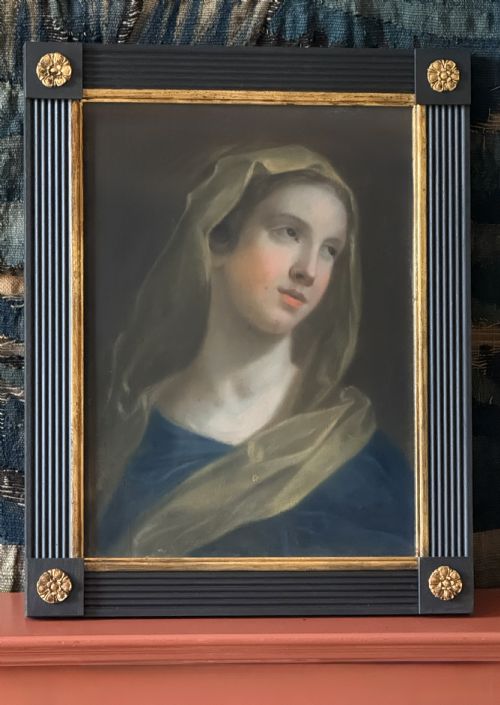
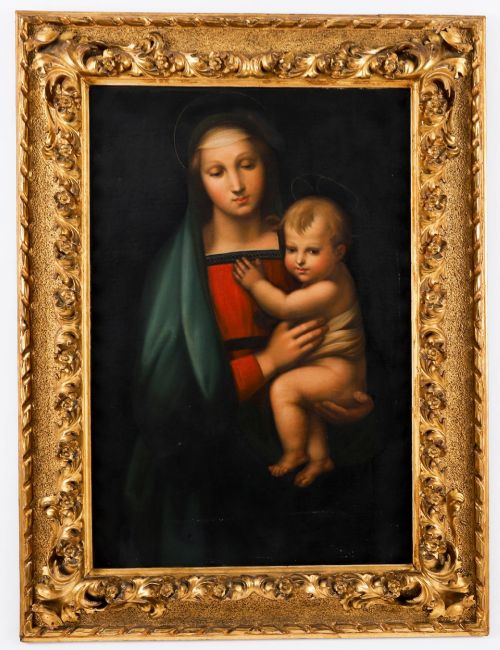
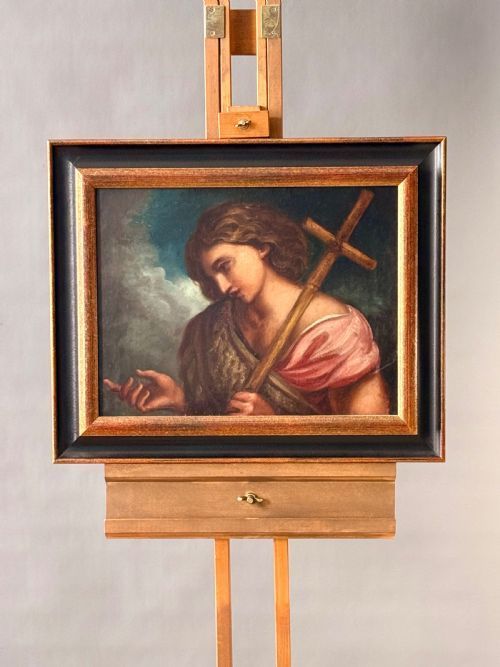
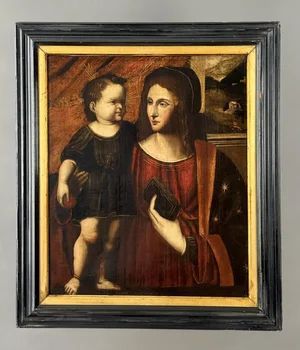
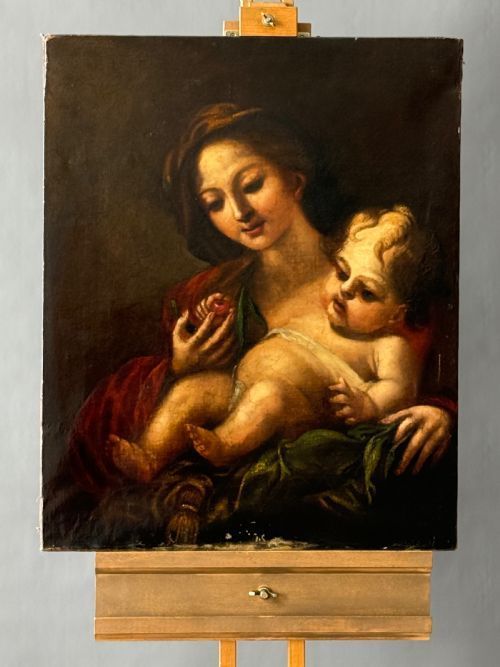
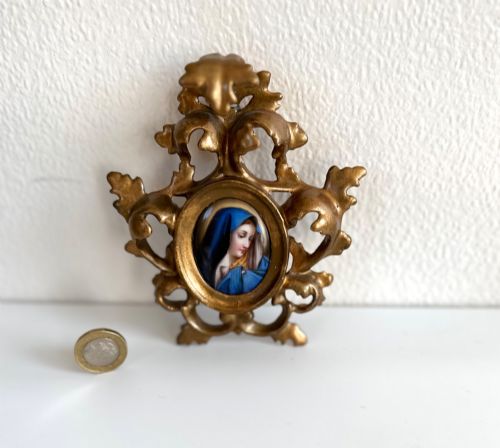
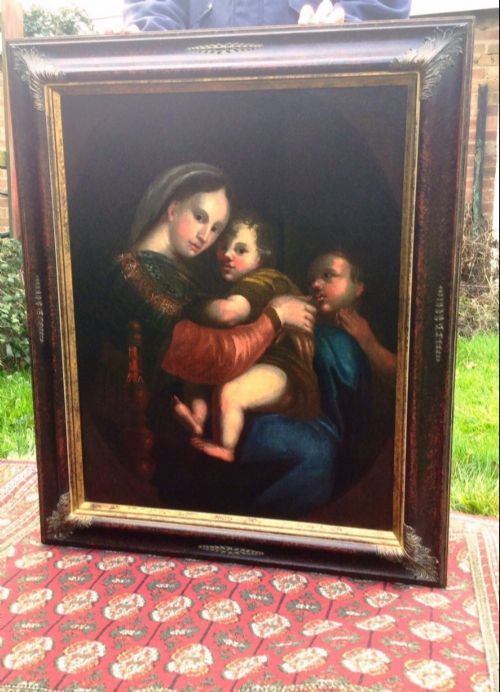
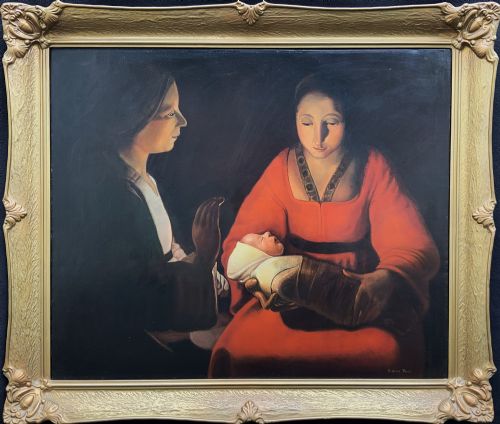
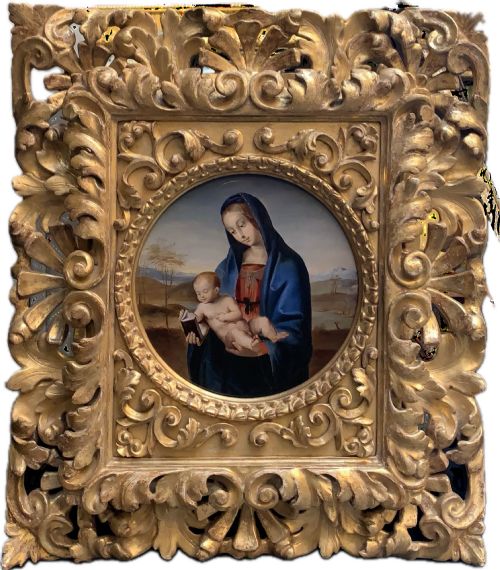
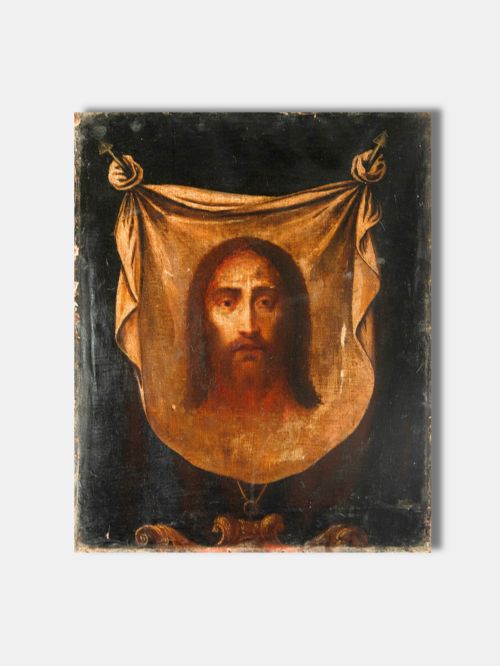
Religious portrait art encompasses devotional works produced across the sixteenth, seventeenth, eighteenth and nineteenth centuries, often drawing upon Italian, Spanish and French schools. Buyers encounter oil paintings on canvas and wood panels, alongside pastels, miniatures and enamel plaques depicting figures such as the Madonna, the Virgin and Child, and various saints.
The selections span distinct periods ranging from Renaissance and Baroque compositions to Victorian interpretations and later revivals. Many pieces reflect the influence of master painters, showing direct connections to Raphael, Bernardino Luini and other historical workshops.
Materials and Techniques
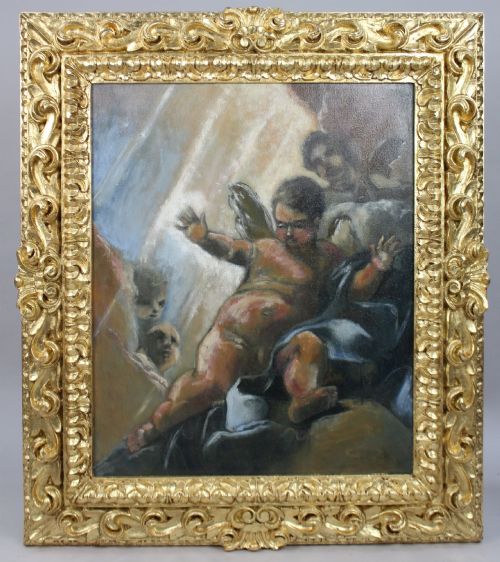
These works rely primarily on oil paint applied to stretched canvas or wooden panels, sometimes enhanced with gold leaf and housed within carved giltwood frames. Artists utilised traditional pigments and ground preparations typical of European studios, resulting in layered paint surfaces that occasionally reveal pentimenti or historical retouching.
Alternative formats include delicate pastels on paper, Limoges enamel plaques fired on metal bases, and patinated bronze sculptures. Miniature portraits demonstrate fine brushwork on small scales, while oleographs on canvas represent later mechanical reproduction techniques.
Religious Portrait Art Retail Price Guide 2026
Typical asking prices for religious portrait art among the pieces listed under this phrase on Sellingantiques today, from the lower quarter to the upper quarter. They describe what is for sale here now, not the wider market.
Listings feature canvas, wood panels, giltwood frames and paper, spanning the Renaissance, Baroque and Victorian eras.
Evaluating Quality
The condition of the original paint layer and the presence of a period-appropriate carved giltwood frame significantly influence the standing of a piece. Finer works display confident pigment application and sophisticated composition, whereas lesser examples show stiffer execution and formulaic drapery.
Ernst Stierhof·Georges de La Tour·Benedetto Luti·Francesco Solimena·George Minne
The Religious Portrait Art Glossary
- Pentimento
- A visible trace of earlier painting beneath the layers of paint, showing where the artist changed their composition. This occurrence confirms the authentic hand of the painter working directly on the canvas.
- Giltwood
- Wood that has been coated with gold leaf or gold paint, frequently used for ornate antique picture frames. These frames add structural weight and aesthetic harmony to religious panels.
- Oleograph
- A mechanical colour lithograph textured to imitate an oil painting on canvas. These appeared widely in the nineteenth century as affordable devotional imagery.
- Enamel Plaque
- A small copper or metal plate fused with vitreous glass powder through firing, often detailed with hand-painted sacred subjects. Limoges served as a primary centre for this craft.
- Old Master
- A European painter of skill working before the nineteenth century. The term also applies to works produced by these established artistic hands.
Religious Portrait Art: Frequently Asked Questions
What is religious portrait art?
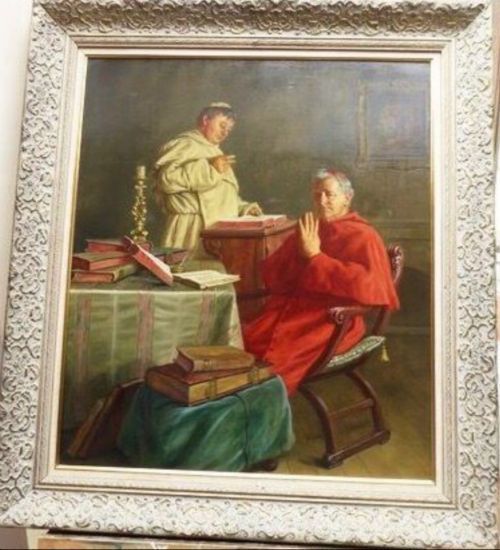
Religious portrait art consists of paintings, panels and miniatures depicting sacred figures, saints, cardinals and biblical narratives from various European traditions.
These pieces served as devotional objects in private homes and institutions, reflecting the prevailing theological and artistic values of their respective centuries.
How do I identify a period piece?
Dating relies on examining the canvas weave, wood preparation, pigments and stylistic traits characteristic of sixteenth, seventeenth, eighteenth or nineteenth-century workshops.
Examining the frame construction and any inscriptions on the reverse also provides reliable clues to the exact era of creation.
Where were these paintings displayed?
Original locations included private domestic chapels, parish churches, monasteries and wealthy household altars across Italy, Spain, France and England.
Owners utilised these sacred likenesses to aid personal prayer and contemplation within their daily domestic environments.
What does after Raphael mean?
This attribution indicates that an artist painted a composition directly copied or closely inspired by a known work by the Renaissance master Raphael.
Such pieces allowed later generations to own respected devotional imagery when the original paintings remained in royal or ecclesiastical collections.