




Religious Old Master Portrait
A religious old master portrait carries centuries of devotion in oil and pigment, offering collectors a direct link to Renaissance and Baroque hands.
Religious Old Master Portrait
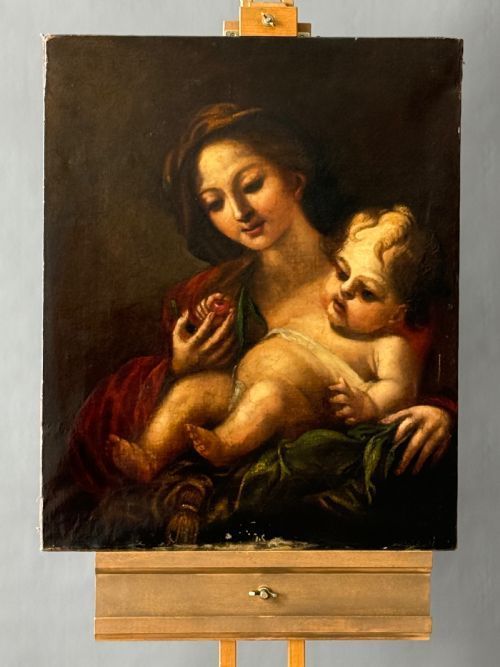
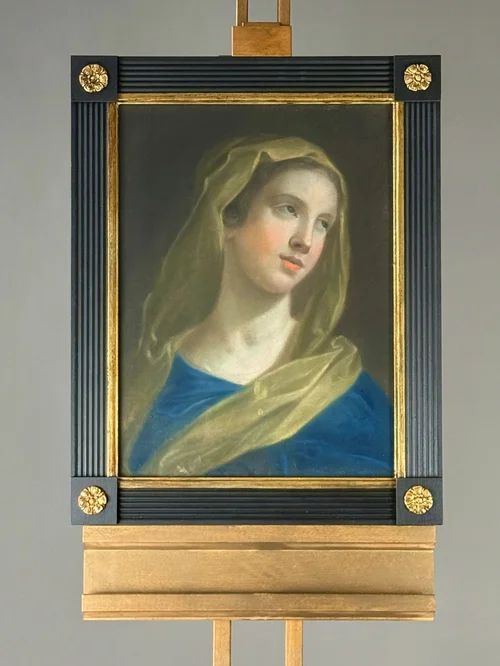
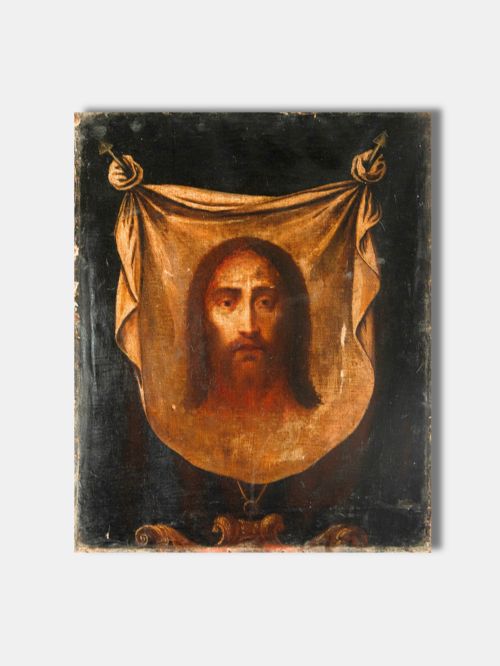
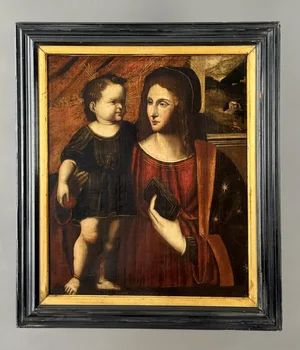
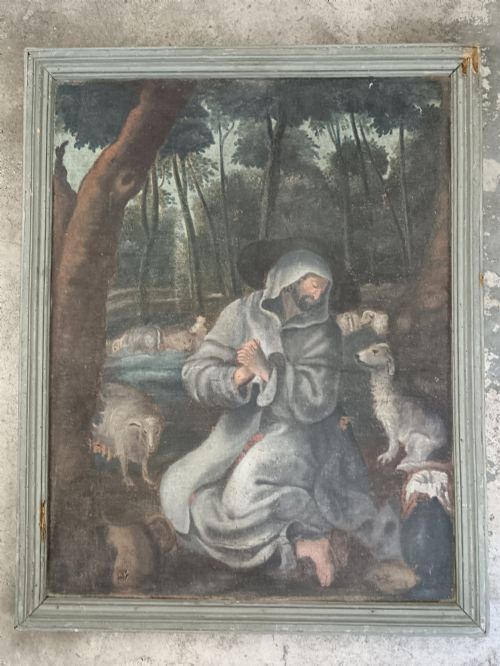
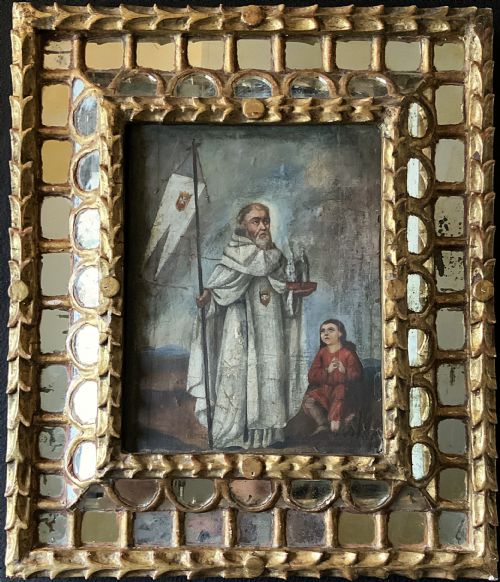
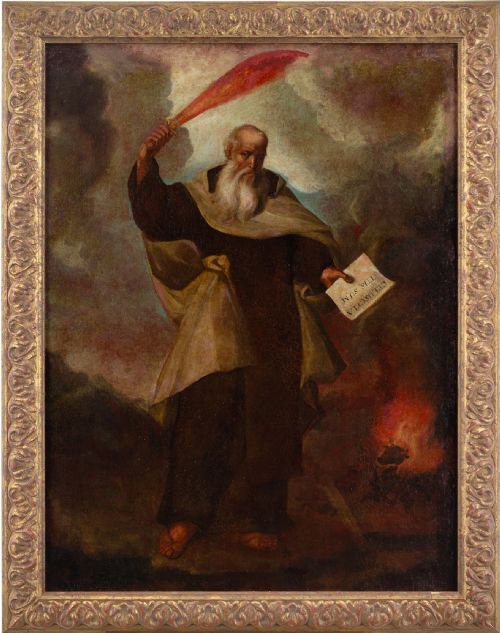
A religious old master portrait brings devotional iconography into private spaces through traditional painting mediums. These works concentrate on sacred figures such as the Madonna and Child, saints, and biblical scenes.
The versions most commonly met on this page stem from the seventeenth and eighteenth centuries, reflecting Italian and Spanish school traditions. Painters rendered holy subjects with dramatic lighting and emotive expressions characteristic of the period.
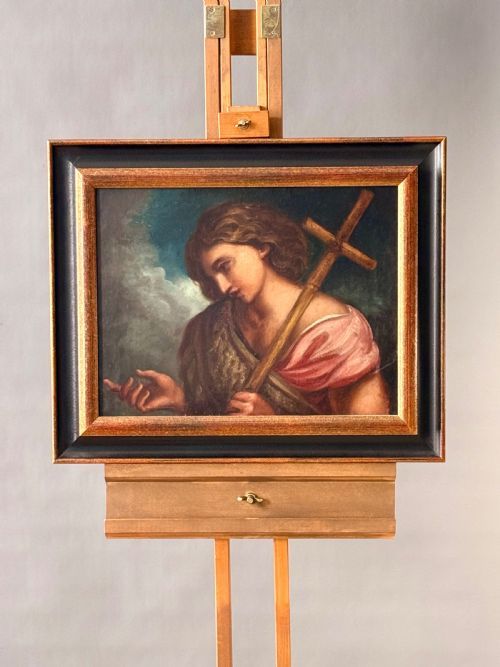
Subjects range from intimate head studies to large canvas compositions depicting figures like Saint John the Baptist or Mary Magdalene. Regional schools from Genoa, Madrid, and Emilia shape the stylistic approach of each piece.
How They Were Made
Painters built these works primarily using oil paint applied to woven canvas or prepared wood panels. Ground layers and pigments derived from earth and mineral sources established the foundational tones.
Materials documented across the collection include oil paint, canvas, wood, giltwood, and gold leaf.
What Varies in Quality
Preservation of the original pigment layer and the stability of the support structure govern the enduring integrity of the painting. Subtle alterations made during past conservation efforts influence how closely the surface matches the original creator's intent.
Benedetto Luti·Francesco Solimena·Gian Lorenzo Bertolotto·Guido Reni·Pompeo Batoni
The Religious Old Master Portrait Glossary
- Baroque
- A stylistic period spanning the seventeenth century characterised by dramatic contrast between light and dark, known as chiaroscuro. This approach heightens the emotional intensity of sacred figures.
- Pentimento
- An alteration in a painting evidenced by visible traces of previous brushstrokes beneath the final layer. This reveals the artist changing composition during the creative process.
- School
- A designation grouping artists working in a particular region or following the stylistic methods of a master. It denotes geographical and aesthetic tradition rather than a direct signature.
- Giltwood
- Wood carved and coated with a thin layer of gold leaf or metallic powder. Frames utilise this technique to provide an ornate and reflective border.
- Oil on Canvas
- A technique involving pigment suspended in drying oil applied to stretched fabric. This medium allows for rich blending and deep tonal graduation.
Religious Old Master Portrait: Frequently Asked Questions
What is a religious old master portrait?
A religious old master portrait is a historical painting depicting sacred figures, created by European artists primarily between the sixteenth and eighteenth centuries. These works served devotional functions in churches, private chapels, and homes.
The subjects usually include biblical figures like the Virgin Mary, Christ, and various saints rendered in oil on canvas or wood panel. They reflect the spiritual devotion and artistic conventions of their respective eras.
How were these portraits used historically?
These paintings were commissioned for private contemplation, domestic devotion, or placement within religious institutions. Wealthy patrons used them to demonstrate piety and status.
Smaller panels often served as personal devotional aids for prayer, while larger canvases adorned the walls of chapels and aristocratic residences. Their imagery was designed to inspire reflection and reverence.
How should I live with an old master painting?
Living with these works requires stable environmental conditions away from direct sunlight and extreme temperature fluctuations. Canvas and wood react to humidity, so placing them on interior walls helps preserve the paint layer.
Proper lighting enhances the deep tones of the oil paint without causing heat damage. Allowing adequate wall space lets the historical weight and framing of the piece anchor the room.
How do I tell periods and regional schools apart?
Stylistic clues such as brushwork, colour palette, and compositional drama help differentiate periods and regional schools. Spanish works often display intense chiaroscuro, while Italian examples lean towards classical balance and rich narrative detail.
Frames, canvas preparation, and subject choices also provide context regarding when and where a piece was produced. Comparing handling techniques to known regional traditions clarifies attribution.