



Relief Moulded Vase
These relief moulded vase examples combine sculptural raised decoration with glass and ceramic media, offering collectors striking texture and form.
Relief Moulded Vase
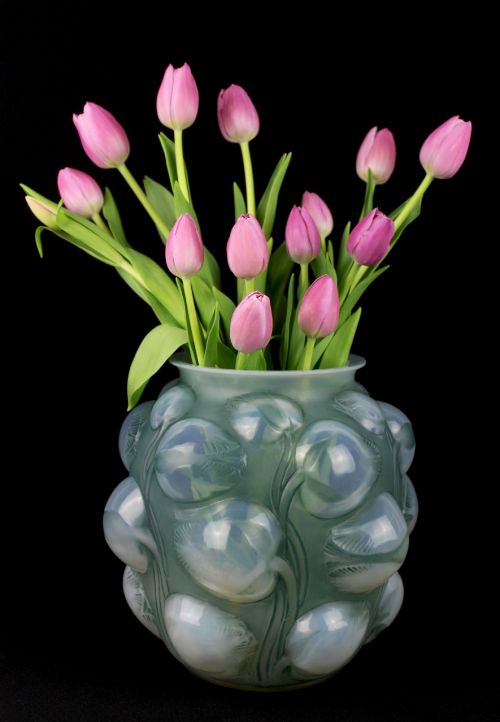
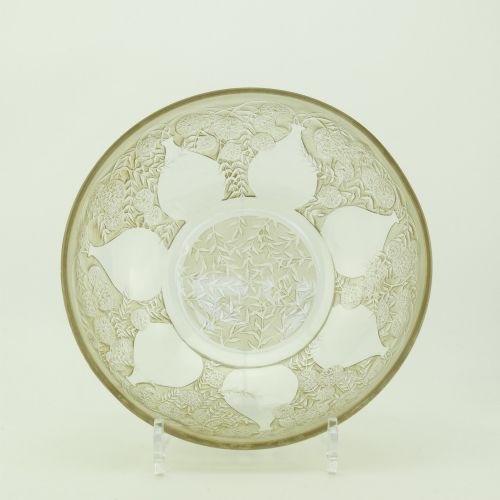
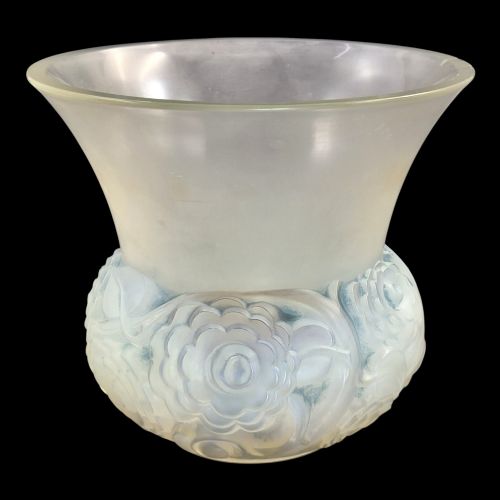
A relief moulded vase brings tactile depth to interior displays through raised patterns that emerge from the body. Buyers seeking a relief moulded vase encounter varied forms from the nineteenth and twentieth centuries, spanning grand exhibition vessels to delicate glass bowls.
The selections here range from earthenware and stoneware bodies to clear, frosted, and opalescent glass. Forms include monumental covered vessels, standard display vases, and tall umbrella stands.
Origin points across the current selection encompass British art pottery, French glassworks, and continental ceramic factories. Art Deco and Victorian styles predominate among these pieces, reflecting the shifts in taste across the periods represented.
How they were made
Glass pieces take shape through pressing or blowing into moulds to create high-relief botanical and geometric motifs. Subsequent frosting, opalescent treatments, or polishing highlight the raised surface details against recessed areas.
Ceramic examples utilise moulds for sprigging and sculptural application, fixing raised floral or figurative elements onto the wet clay body before firing. Majolica and salt-glazed earthenware then receive rich glazes that pool in the crevices of the moulded design.
Relief Moulded Vase Retail Price Guide 2026
Typical asking prices for relief moulded vase among the pieces listed under this phrase on Sellingantiques today, from the lower quarter to the upper quarter. They describe what is for sale here now, not the wider market.
One notable nineteenth century maker chose Bacchus, the god of wine, to peer perpetually out from the side of a massive majolica vase.
What varies in quality
The sharpness and definition of the raised moulding separate standard production items from masterworks. Crisp edges and clean separation between the design and the ground demonstrate superior execution by the maker.
Quality also rests in the sophistication of the glaze or glass finish, where tonal depth and even opacity enhance the tactile qualities of the piece. Monumental scale combined with intricate sculptural detailing elevates certain examples above smaller, simpler vessels.
Rene Lalique·Minton
The Relief Moulded Vase Glossary
- Opalescent Glass
- Glass containing additives that create a milky, semi-translucent appearance with bluish or amber highlights in reflected light. This technique accentuates the raised contours of moulded vessels.
- Sprigged Stoneware
- Pottery decorated with separately moulded clay reliefs applied to the vessel surface before firing. The technique produces sharp, contrasting ornamentation against the main stoneware body.
- Majolica
- Earthenware covered with an opaque tin glaze and painted with colourful metallic oxide pigments. The heavy glazes pool naturally around moulded relief details.
- Moulded
- Shaped by pressing material into or against a matrix to form a pattern or vessel body. This method allows consistent replication of complex sculptural designs.
Relief Moulded Vase: Frequently Asked Questions
How do I clean my glass vase?
Wash opalescent and frosted glass gently in warm water using a mild detergent and a soft cloth. Avoid harsh chemical cleaners or abrasive brushes that might damage the surface finish.
Dry the vessel thoroughly with a lint-free towel to prevent water spots from dulling the intricate raised details.
Can these ceramic vessels hold water?
Many nineteenth and twentieth century ceramic pieces feature porous earthenware or majolica bodies that can seep moisture over time. Use a waterproof liner inside antique earthenware if you intend to display fresh flowers.
Stoneware vessels with salt glazes are generally more vitrified, but checking for hairline fractures remains wise before filling.
How do I date an art deco piece?
Examine the stylistic motifs, focusing on symmetrical geometric patterns or stylised natural forms like ferns and berries. Maker signatures and registry marks stamped into the base offer precise chronological clues.
Compare the glass opacity and mould seam placement with documented production periods from manufacturers.
Where should I place a heavy exhibition piece?
Support monumental majolica or stoneware on sturdy, level furniture capable of bearing significant weight. Position the vessel away from direct foot traffic where it might be knocked.
Ensure adequate clearance around tall umbrella stands to let the sculptural forms be viewed from multiple angles.