



Regency Waterfall Light
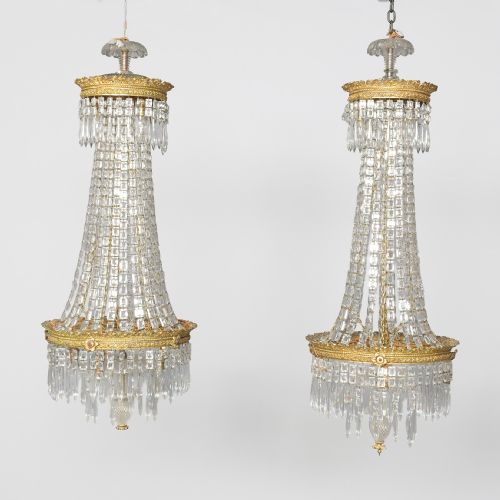
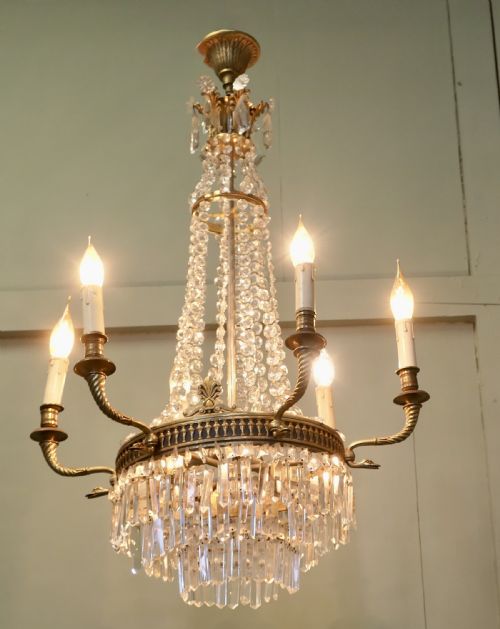
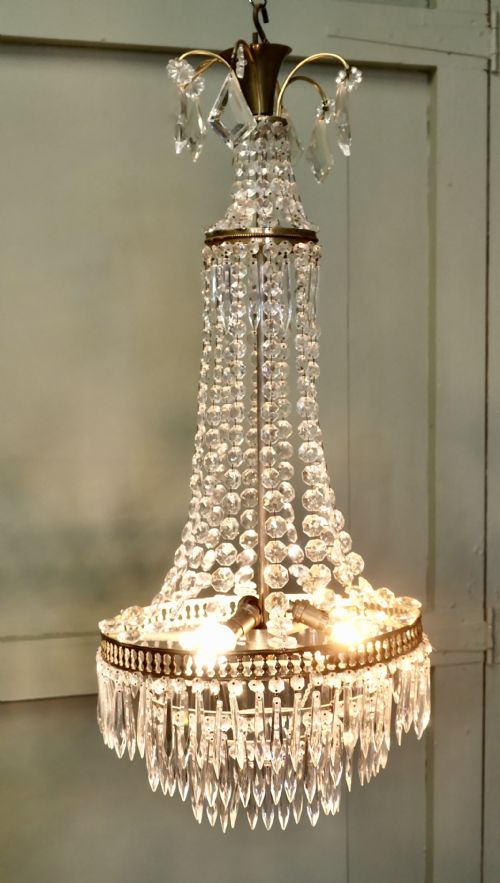
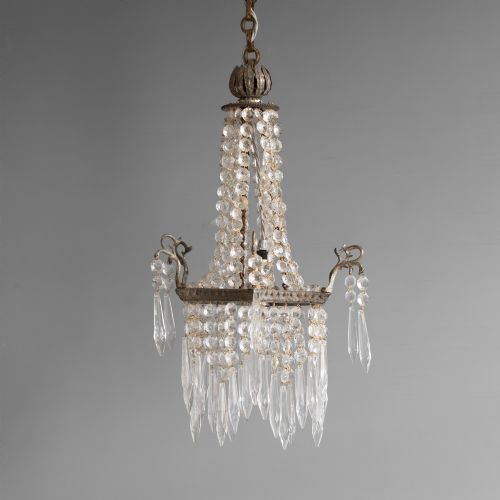
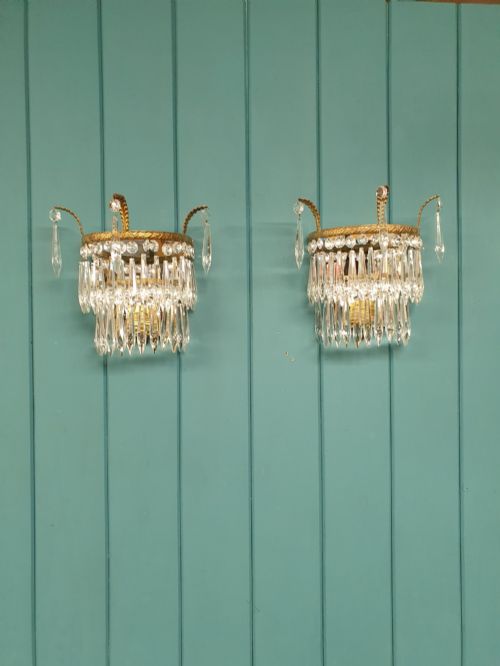
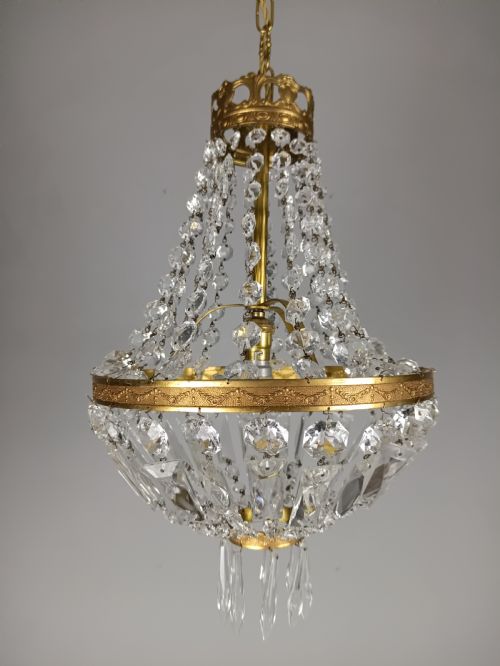
A regency waterfall light cascades cut crystal and glass in formal rooms, drawing the eye upwards through tiers of glittering drops and brass mounts.
Regency Waterfall Light
These pieces are primarily chandeliers, wall lights, and pendant lights designed to catch and refract light through elaborate hanging elements. When searching for a regency waterfall light, buyers encounter variations spanning the nineteenth century and the early twentieth century, including Edwardian examples and later revivals.
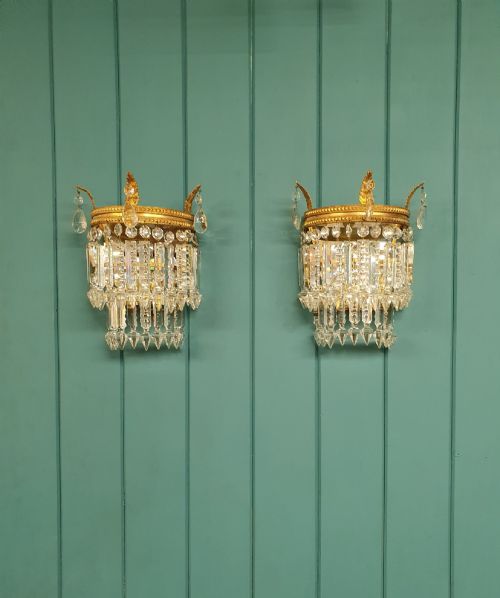
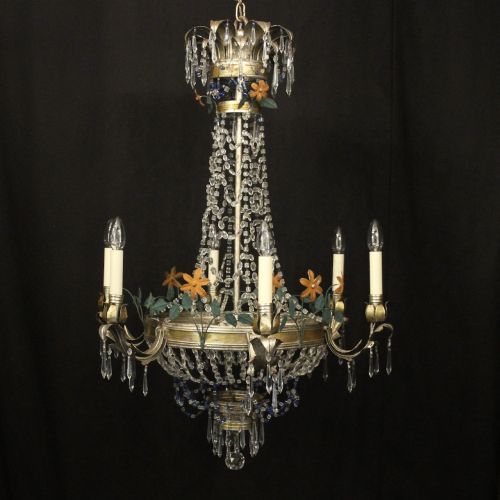
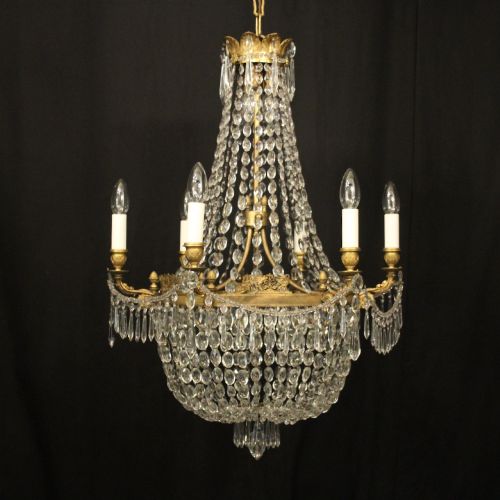
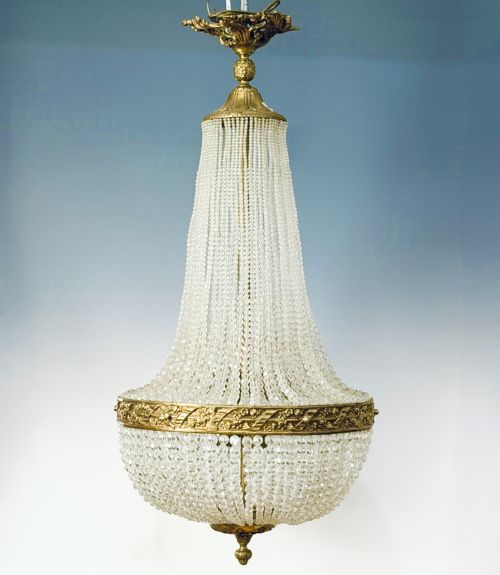
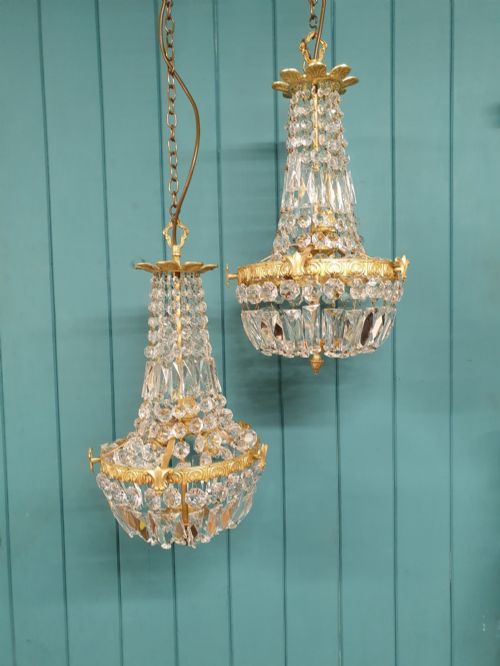
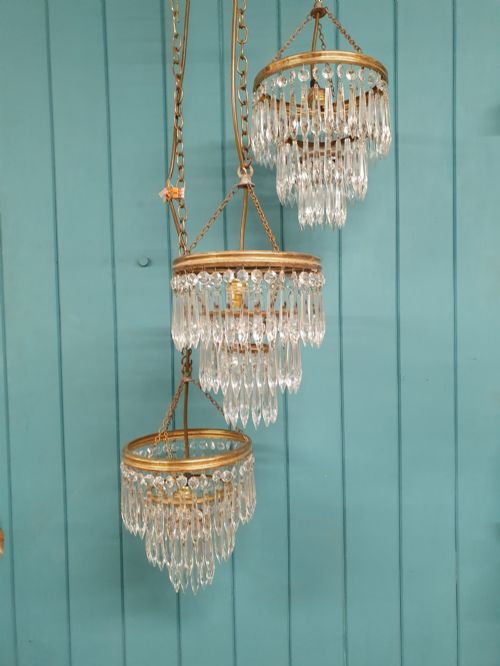
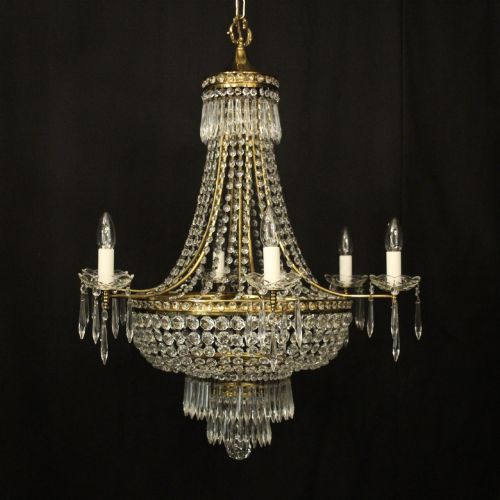
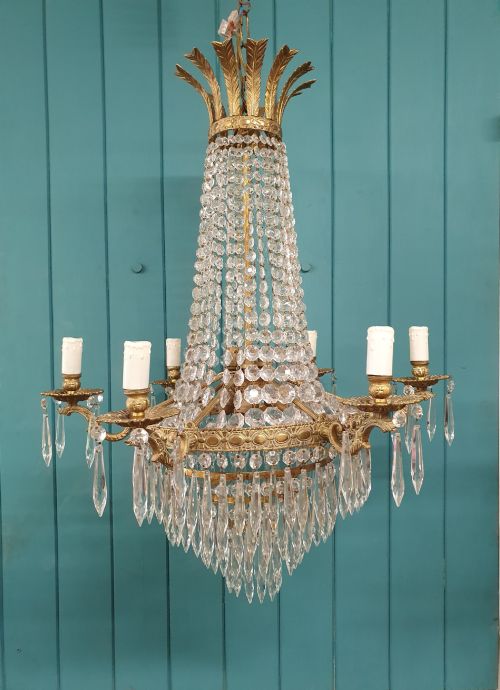
The dominant forms on this page include tent and bag chandeliers, alongside multi-tier spike chandeliers and wall lights featuring mirror backs. French Empire and Regency styles heavily influence the design vocabulary, often incorporating elaborate brass mounts and gilt metal frameworks.
Origins stretch from English workshops to French ateliers, showcasing diverse scales from compact single-light fixtures to large multi-branched showpieces. The construction regularly utilises structured frames draped with crystal drops arranged in classic cascading tiers.
Materials and construction
Makers built the foundational frames using brass, gilt metal, and general metalwork to support the considerable weight of the glass elements. These structural arms and rings often featured decorative leaf work or simple cast mounts.
The characteristic visual weight comes from cut glass, crystal, and cut crystal components, including faceted prisms, bag drops, and swags. Artisans wired these glass elements together meticulously to form the signature tent and waterfall profiles.
Regency Waterfall Light Retail Price Guide 2026
Typical asking prices for regency waterfall light among the pieces listed under this phrase on Sellingantiques today, from the lower quarter to the upper quarter. They describe what is for sale here now, not the wider market.
Listings span periods from the 19th Century and 1880s through to the 1930s, featuring brass, crystal, and gilt metal.
Distinctions in quality
Quality rests upon the clarity and depth of the cut crystal and glass drops, where sharper facets yield superior light refraction. Heavier cast brass and gilt metal frames provide better structural integrity than lighter, thinner alternative assemblies.
The complexity of the tier arrangement and the integration of decorative elements like mirror backs or leaf ornamentation elevate the ambition of the piece. Superior examples demonstrate uniform pinning and balanced weight distribution across every hanging strand.
Antique Wedgwood Chandelier
The Regency Waterfall Light Glossary
- Tent and bag chandelier
- A lighting fixture featuring an upper conical section of strung crystals above a lower bag or basket shape formed of gathered drops.
- Spike chandelier
- A vertical lighting design terminating in a central upward spike around which crystal swags and arms arrange themselves.
- Cut crystal
- Glass containing lead oxide that has been laboriously wheel-cut and polished to maximise brilliance and light dispersion.
- Gilt metal
- Base metal treated with a thin layer of gold paint or leaf to simulate solid gold and brighten the fixture's overall appearance.
- Mirror back
- A reflective glass panel fitted behind a wall light to multiply the ambient illumination cast into the room.
Regency Waterfall Light: Frequently Asked Questions
What is a regency waterfall light?
A regency waterfall light is an antique hanging or wall-mounted lighting fixture characterised by cascading tiers of cut glass crystals.
These pieces use reflective glass drops and brass frames to diffuse illumination effectively throughout formal spaces.
How were these lights used?
These fixtures hung in principal rooms like drawing rooms and dining spaces to provide ambient illumination.
The cascading crystal drops maximised the flickering output of early candlelight or gas conversion bulbs by reflecting the glow.
Where do these pieces originate?
The listings demonstrate strong French and English origins, often adopting continental Empire and Regency design motifs.
Workshops in both countries produced these elaborate glass and metal fixtures across the nineteenth and early twentieth centuries.
How do I date these fixtures?
Dating relies on examining the metal casting techniques, mounting styles, and the specific cut of the crystal drops.
Pieces span the nineteenth century through the Edwardian era and 1930s revivals, showing stylistic shifts in framing and glass density.