


Regency Wall Hanging
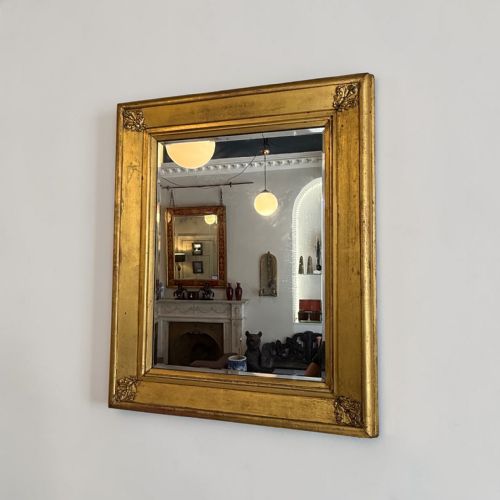
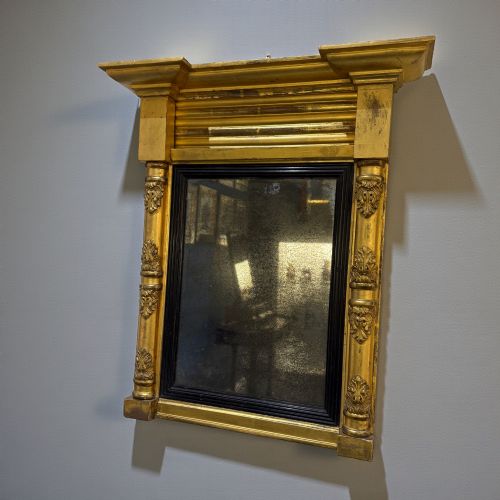
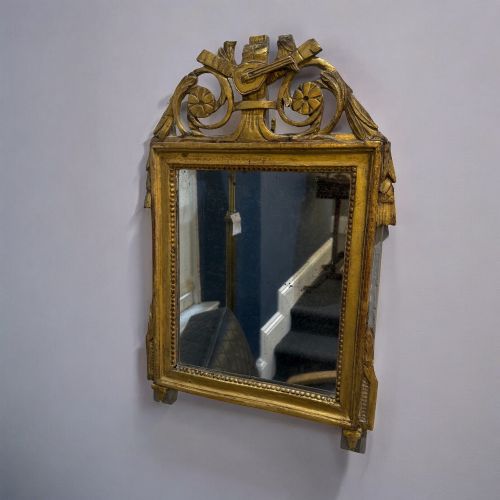
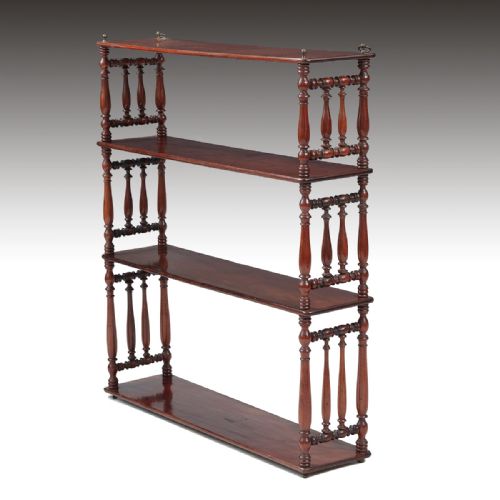
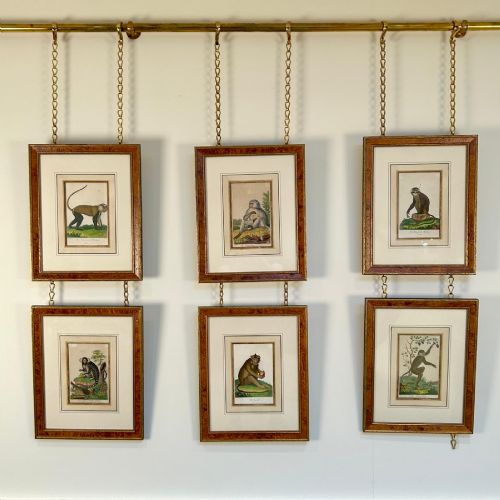
A regency wall hanging brings architectural order and reflective depth to a room through carved giltwood frames, polished mahogany shelves and crisp brass detail.
Regency Wall Hanging
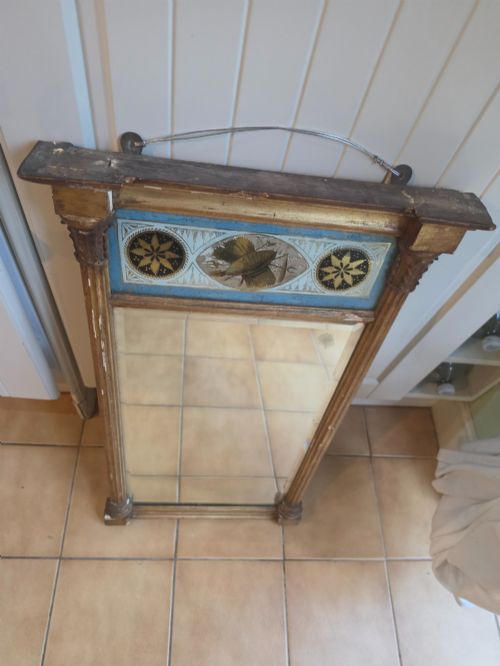
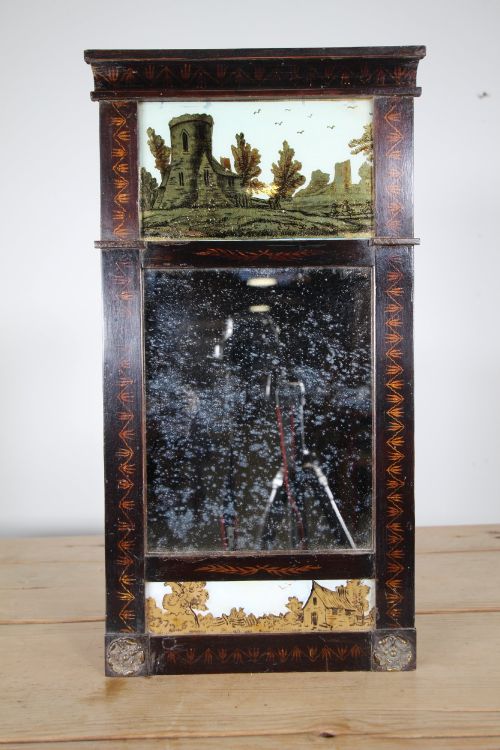
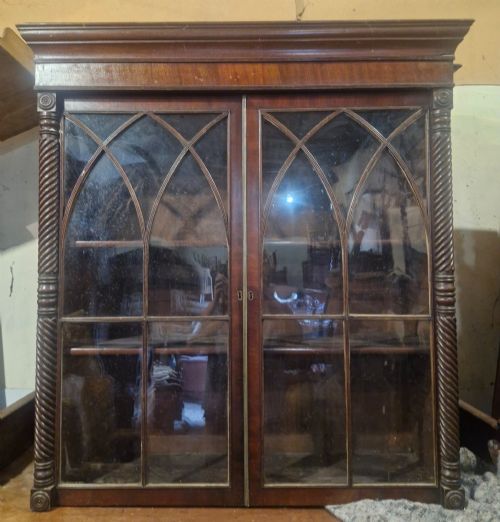
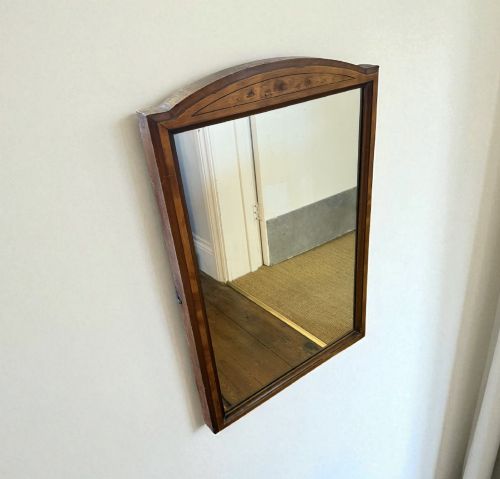
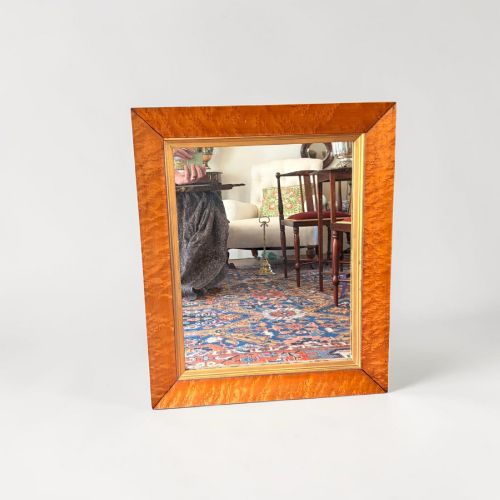
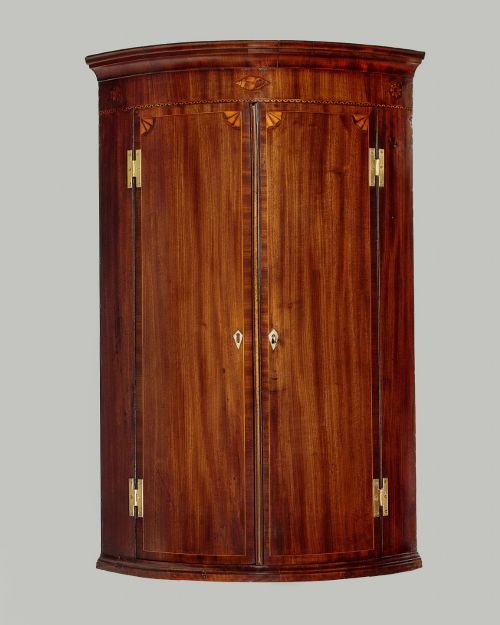
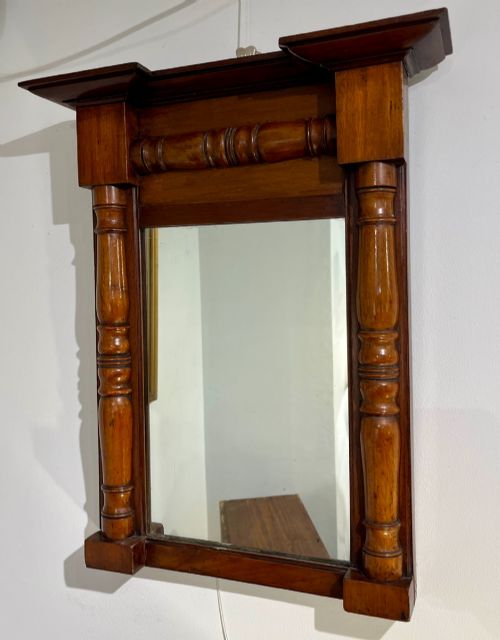
A regency wall hanging covers a diverse group of decorative and functional objects designed to mount directly onto interior walls, predominantly originating from the nineteenth century. Buyers searching this phrase most frequently encounter giltwood and gesso wall mirrors alongside mahogany hanging shelves and corner cupboards.
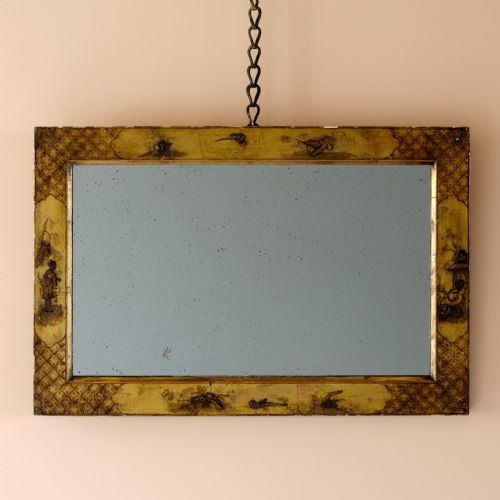
The selection extends from convex pier mirrors and overmantle frames to small cabinets, needlework samplers and framed silhouettes. Pieces span the Georgian, Regency, William IV and Victorian eras, carrying stylistic influences from the neoclassical, chateaux and chinoiserie traditions.
Materials and construction methods
Makers utilised dense native and exotic timbers such as mahogany, rosewood, walnut and birds eye maple to construct solid frames, shelves and cabinets. Wood elements often received hand-carved details, reeded mouldings or decorative inlays to define the structural profiles.
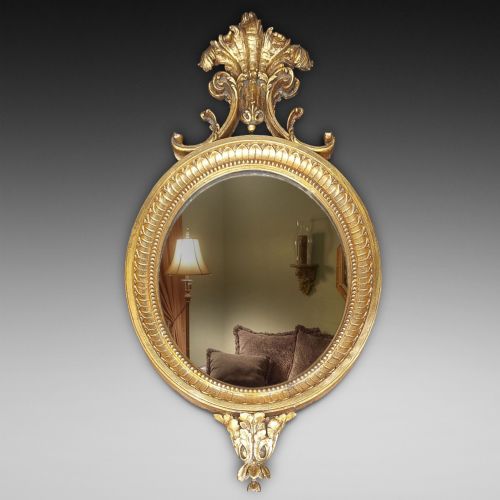
Giltwood and gesso pieces combine carved wooden foundations with applied plaster ornament, which was then gilded with metal leaf to achieve a brilliant reflective surface. Glass was bevelled or cast for mirrors, while secondary materials like brass, paper and wool thread formed hardware, engravings and samplers respectively.
Regency Wall Hanging Retail Price Guide 2026
Typical asking prices for regency wall hanging among the pieces listed under this phrase on Sellingantiques today, from the lower quarter to the upper quarter. They describe what is for sale here now, not the wider market.
Distinctions in craftsmanship and condition
The standard of a piece rests heavily on the crispness of its hand-carved ornament and the depth of the gilding applied over the gesso ground. Superior items retain their original fire gilding or gold leaf without excessive regilding, showing sharp definition in motifs such as reeding, ball accents and classical foliage.
Timber selection and joinery integrity dictate the merit of wooden shelves and cabinets, where well-figured veneers and tight dovetail joints separate workshop productions from lesser items. Original mirror glass with authentic foxing and ageing holds higher regard than modern replacement plates.
George Atkinson·JB Bergna
The Regency Wall Hanging Glossary
- Giltwood
- Wood that has been coated with gold leaf or metal leaf over a prepared surface. This finish is typical of formal mirrors and decorative frames from the period.
- Gesso
- A plaster mixture applied to wood frames to create a smooth base for carving or gilding. It allows for intricate relief ornamentation before the application of gold leaf.
- Pier mirror
- A tall, narrow mirror designed to hang on the wall space between windows. These pieces often feature convex glass or applied gilt motifs.
- Convex mirror
- A round mirror with a curved surface that provides a wide-angle reflection of the interior space. They frequently appear framed in giltwood with black reeded inner bezels.
- Japanned
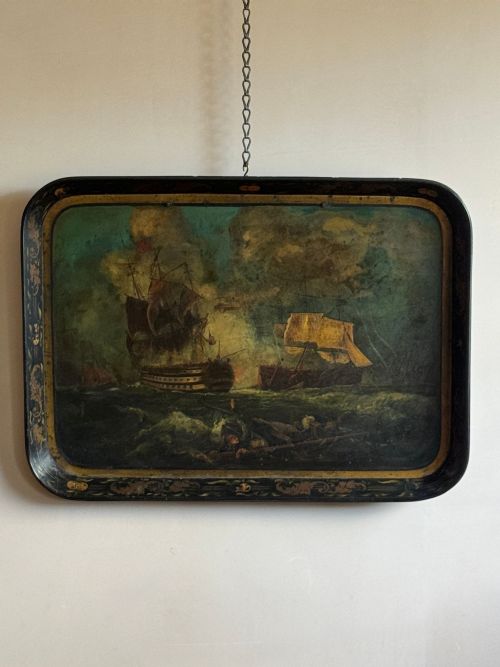
- A European imitation of Asian lacquerwork created using layered varnishes and metallic powders. It appears on papier-mâché trays and decorative items.
- Reeding
- A decorative parallel projection resembling bundled reeds, carved directly into wood or moulded in gesso. It provides texture along mirror frames and furniture edges.
Regency Wall Hanging: Frequently Asked Questions
How were hanging shelves used originally?
Hanging shelves served to display small ceramic collections, books or decorative ornaments within principal reception rooms.
Their compact dimensions allowed them to occupy wall space above side tables or between windows without crowding the floor plan.
Are these mirrors heavy to hang?
Large giltwood and mahogany mirrors possess substantial weight due to their dense timber frames and thick glass plates.
Secure wall fixings and mounting into solid masonry or wall studs are essential for safe installation.
How do I identify a genuine period frame?
Genuine nineteenth-century frames display hand-applied gesso over timber construction with age-appropriate cracking and wear to the surface.
Closer inspection reveals traditional joinery methods and patination that modern reproductions cannot replicate accurately.
Can I place these pieces in direct sunlight?
Direct sunlight can accelerate the fading of mahogany timbers, rosewood veneers and hand-coloured paper works.
Positioning mirrors and framed art away from intense solar exposure helps preserve the original finishes and colours.