








Regency Wall Furniture
Regency wall furniture brings architectural poise to a room, offering clever console tables and hanging shelves that transform bare plaster with refined timber and gilded detail.
Regency Wall Furniture
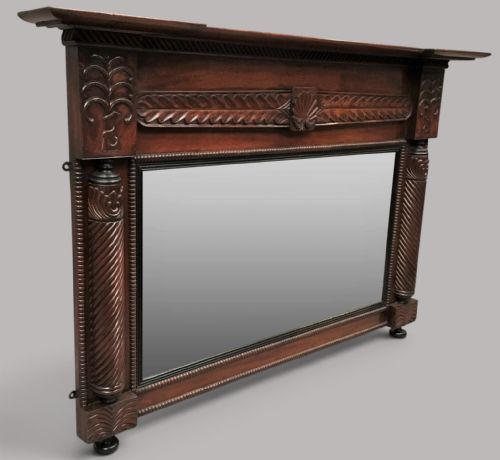
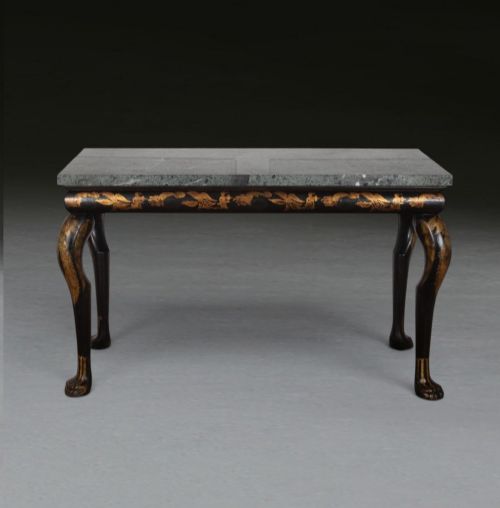
Regency wall furniture encompasses console tables, hanging shelves, side cabinets, and mirrors designed to anchor against domestic walls. These pieces bring functional surfaces and display tiers into hallways, sitting rooms, and reception spaces without occupying floor space.
The most prevalent examples on this page are mahogany hanging shelves and console tables from the nineteenth century. Buyers encounter variations that span from modest Georgian corner shelves to substantial pollard oak and giltwood console tables.
Makers and designers of the period drew upon diverse global influences, resulting in styles that range from classical Egyptian Revival and Chinoiserie to Anglo-Indian teak mirrors and Irish giltwood frames.
Materials and Craftsmanship
Cabinet makers relied heavily on dense timbers such as mahogany, rosewood, oak, and pollard oak, often pairing them with contrasting satinwood or exotic teak. These woods provided the structural integrity required for cantilevered wall shelves and heavy console frames.
Surface ornamentation frequently incorporated gilded wood, known as giltwood, alongside brass details, inset marble tops, and mirrored glass backs. These reflective and metallic elements caught candlelight and natural illumination within nineteenth-century interiors.
Joinery techniques supported complex architectural silhouettes, from bow-fronted corner units to multi-tiered hanging bookshelves secured with brass brackets and fixtures.
Regency Wall Furniture Retail Price Guide 2026
Typical asking prices for regency wall furniture among the pieces listed under this phrase on Sellingantiques today, from the lower quarter to the upper quarter. They describe what is for sale here now, not the wider market.
Console tables, hanging shelves, and side cabinets represent the primary object types found in this category.
Distinguishing Quality in the Range
Quality rests in the selection of timber veneers and the crispness of carved or gilded enrichment on frames and consoles. Superior pieces display harmonious grain matching and confident proportions rather than heavy, unbalanced mass.
The integration of secondary materials such as marble inserts, mirrored glass, and brass fittings distinguishes standard utility pieces from high-status commissions. Finer items exhibit precise edge mouldings and secure structural joints designed to bear weight on walls.
Strahan of Dublin·Town and Emanuel
The Regency Wall Furniture Glossary
- Console table
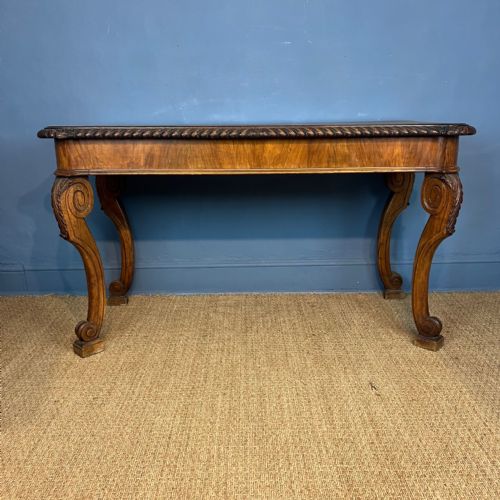
- A table designed to be fixed against a wall, frequently supported by front legs or wall brackets. These tables often feature marble tops and giltwood frames.
- Giltwood
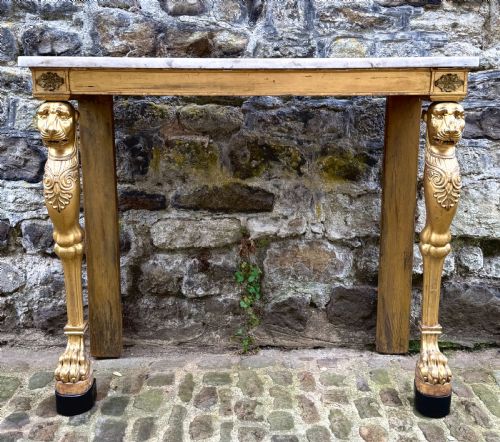
- Wood that has been coated with gold leaf or gold paint. This finish provides a bright, reflective surface characteristic of formal nineteenth-century frames and consoles.
- Demi-lune
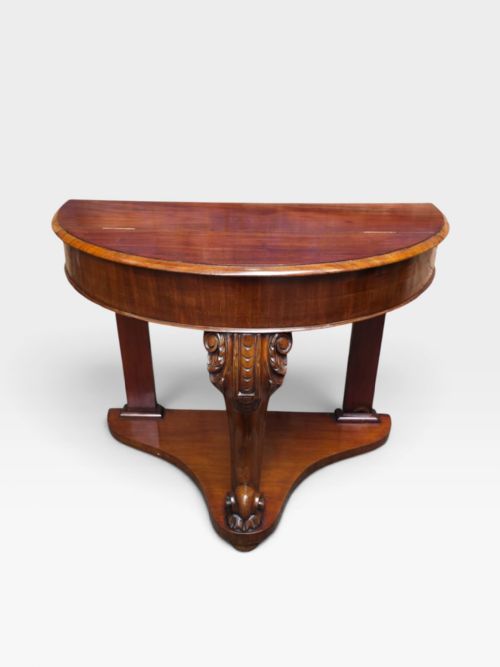
- A half-moon shape used for the tops and frames of console tables and corner furniture. This curved profile allows the piece to sit flush against flat walls.
- Pier table
- A low table designed to stand against the wall beneath a pier glass or window. They share similarities with console tables in nineteenth-century room layouts.
- Pollard oak
- Timber taken from trees that have been pollarded, producing wood with a dense, clustered grain pattern. It was utilised by Regency cabinet makers for decorative surfaces.
Regency Wall Furniture: Frequently Asked Questions
What is regency wall furniture?
Regency wall furniture comprises decorative and functional items designed to attach to or stand flush against a room's perimeter. This category includes console tables, hanging shelves, wall cabinets, and mirrors.
These items served practical purposes in nineteenth-century homes, holding books, displaying ceramics, and reflecting light through interior spaces.
How were hanging shelves used?
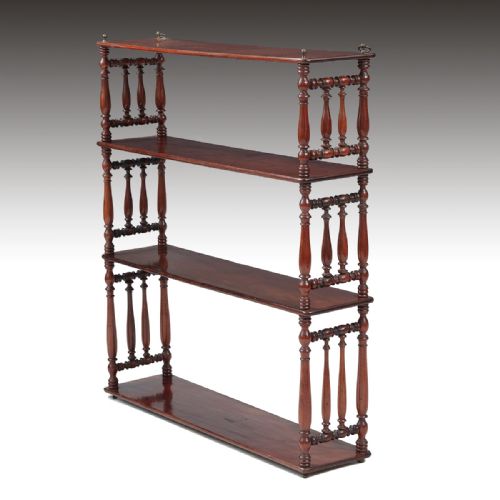
Hanging shelves provided vertical storage for books and decorative objects in parlours and studies without crowding the floor.
They were secured directly to walls using brackets or cord, making them versatile additions to smaller rooms or narrow hallways.
What woods are typical for these pieces?
Mahogany and rosewood appear most frequently, valued for their rich grain and durability. Cabinet makers also utilised oak, walnut, pollard oak, and exotic teak.
Secondary woods and veneers were often combined with satinwood stringing or brass inlays to create decorative contrast.
How do you identify nineteenth century styles?
Nineteenth-century styles incorporate classical architectural motifs alongside regional influences such as Chinoiserie and Egyptian Revival. Look for specific proportions, carved giltwood details, and original mirror plates.
Differences in hardware, timber selection, and joinery help separate standard production items from grander workshop commissions.