



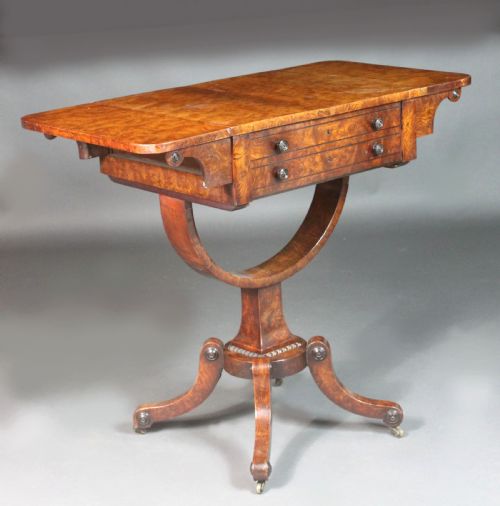
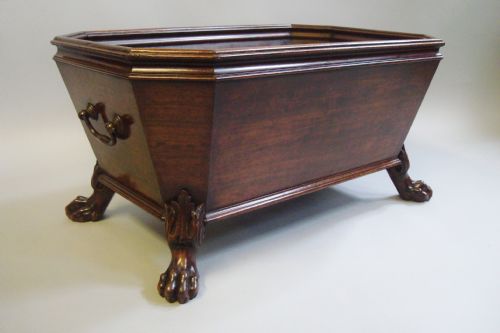


Regency Timber Boxes
These regency timber boxes are sophisticated containers designed for keepsakes, tea and valuables, offering exceptional craftsmanship and lasting utility for the discerning interior.
Regency Timber Boxes
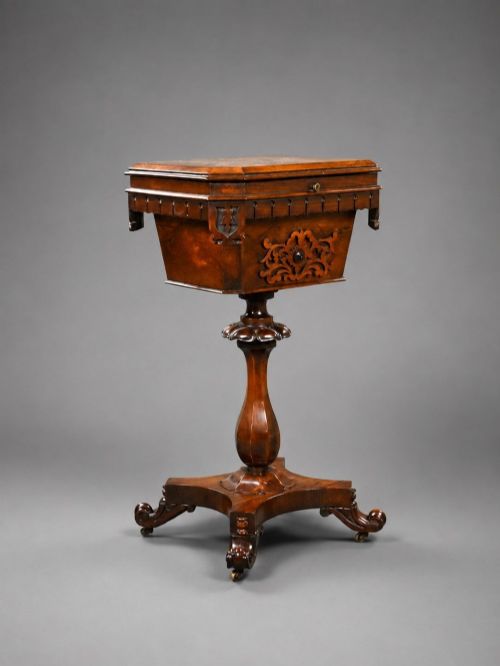
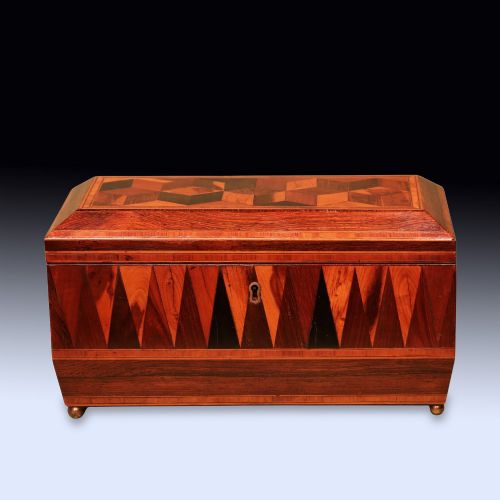
The most common forms on this page are tea caddies and decorative boxes, frequently showcasing fine veneers such as rosewood, mahogany, and amboyna. Such containers served domestic functions in period homes, housing valuable commodities or personal items.
Originating predominantly from the early nineteenth century and the late eighteenth century, these items reflect the tastes of Georgian and Regency craftsmanship. Pieces range from small snuff boxes to substantial cellarettes and tea poys.
How they were made
Maker techniques rely on timber construction utilising hardwoods like mahogany, rosewood, walnut, and padouk, often enhanced by decorative veneers such as burr yew, coromandel, and amboyna. Artisans also employed specialised woods like laburnum and fruitwood for treen and smaller turned objects.
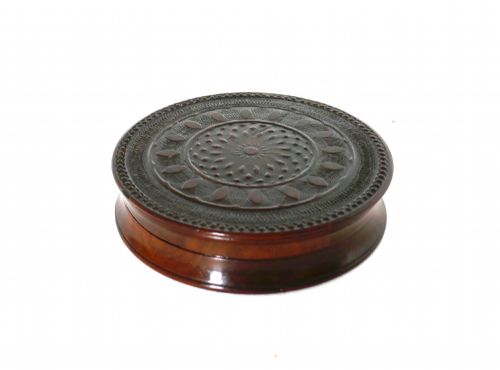
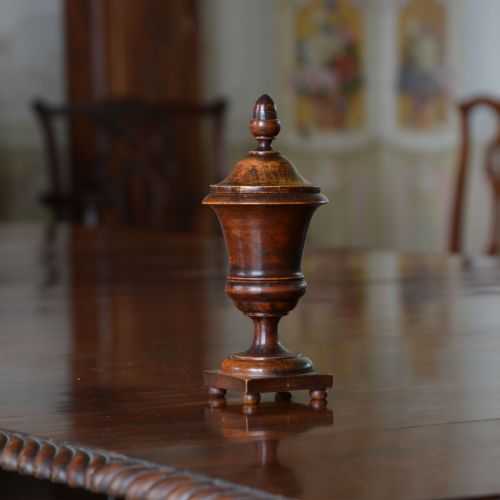
Decorative detailing incorporates brass mounts, bone inlay, parquetry patterns, penwork, and engine turning to enrich the exterior surfaces of the boxes. Cabinetmakers structured these containers into specific functional forms including sarcophagus shapes, campana urns, and stacking pots.
Regency Timber Boxes Retail Price Guide 2026
Typical asking prices for regency timber boxes among the pieces listed under this phrase on Sellingantiques today, from the lower quarter to the upper quarter. They describe what is for sale here now, not the wider market.
Listings feature woods including rosewood, mahogany, walnut, laburnum, padouk, and elm alongside decorative bone and brass elements.
What varies in quality
The grade of timber and veneer selection heavily influences the refinement of each piece, with figured grains and exotic woods representing the upper tier of production. Finer examples display meticulous parquetry, intricate penwork, and precise bone or brass inlay rather than plain surfaces.
Construction methods and hardware integration distinguish standard items from superior works, particularly in complex forms like cellarettes, tea poys, and sarcophagus jewellery boxes. The complexity of decorative techniques, such as engine turned treen work or specialised veneering, marks the distinction between everyday utility objects and high-status furnishings.
Gillows of Lancaster and London
The Regency Timber Boxes Glossary
- Tea Caddy
- A specialised box designed for storing loose tea leaves, often featuring internal compartments and mixing bowls. These containers were kept locked to protect expensive tea.
- Cellarette
- A freestanding or floor-standing container used for chilling and storing wine bottles in dining rooms. They appear in forms such as sarcophagi and open coolers.
- Treen
- Small handmade wooden objects produced by turning or carving, including snuff boxes and decorative urns. The term derives from the old word for tree.
- Parquetry
- A geometric mosaic of wood pieces used for decorative veneer on box exteriors. It creates patterned surfaces using contrasting timbers.
- Penwork
- A surface decoration technique using ink drawing on wood, often coated with a protective varnish. This method achieved detailed pictorial or geometric designs on items like Brighton pier boxes.
- Tea Poy
- A small stand or table fitted with a box top for holding tea, standing on a central pillar or legs. They belong to the broader family of tea storage furniture.
Regency Timber Boxes: Frequently Asked Questions
What were tea caddies used for?
Tea was an expensive commodity in the Georgian and Regency periods, requiring secure storage to prevent theft by household staff. Caddies featured lockable lids and internal compartments to keep black and green teas separate.
Wealthy households displayed these boxes prominently in reception rooms. They often included small glass or crystal mixing bowls inside for blending leaf varieties.
How do I identify a Regency box?
Regency pieces typically date from the early nineteenth century and display classical architectural influences, bold mahogany or rosewood veneers, and brass detailing. Forming part of the broader Georgian tradition, they emphasise symmetry and refined timber selection.
Later William IV examples often feature heavier, more robust proportions like sarcophagus shapes. Earlier eighteenth-century items lean toward simpler fruitwood or treen constructions.
Where were wine coolers placed?
Wine coolers and cellarettes sat in dining rooms during formal meals, positioned near the dining table or sideboard. Servants used them to hold bottles and ice during long courses.
Unlike modern refrigerators, these timber pieces relied on insulated wooden linings or metal inserts. They doubled as decorative furniture when not in active use.
What is treen?
Treen encompasses small, functional wooden objects created by turning on a lathe or through careful hand carving. Items such as snuff boxes, campana urns, and stacking pots fall into this category.
These domestic items showcase the versatility of woods like laburnum and fruitwood. Collectors prize them for their tactile surfaces and historical turning techniques.