


Regency Three Drawer Chest
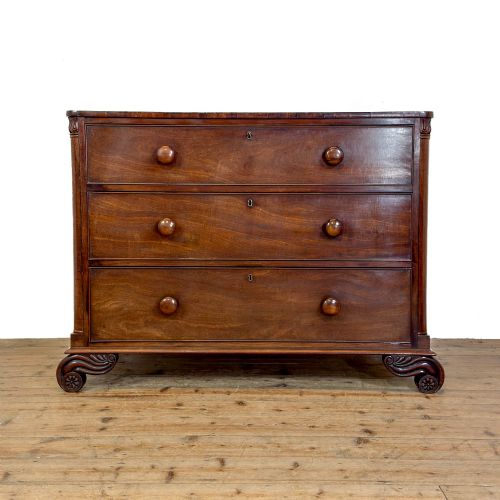
A regency three drawer chest delivers compact proportion and polished timber, pairing practical storage with balanced period form.
Regency Three Drawer Chest
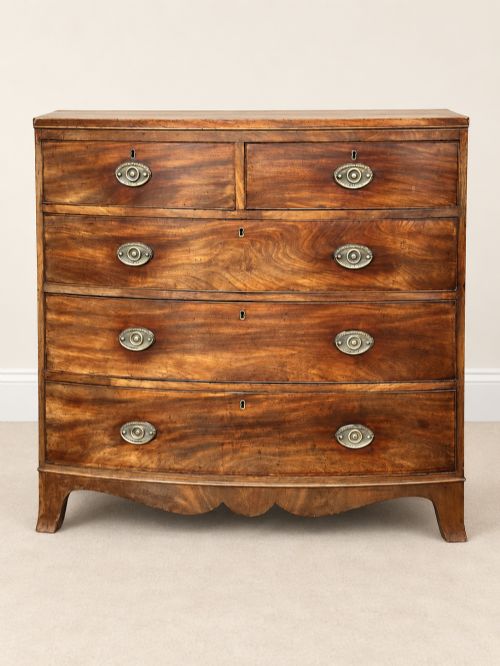
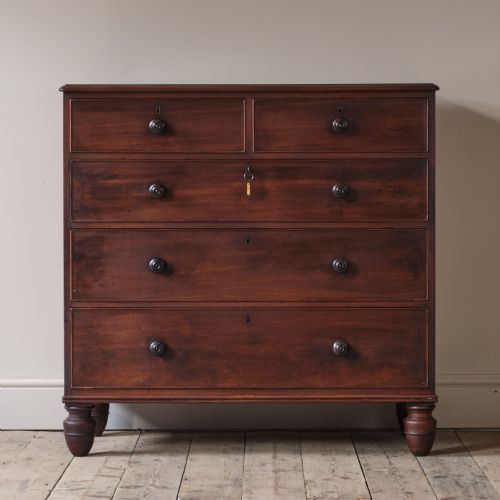
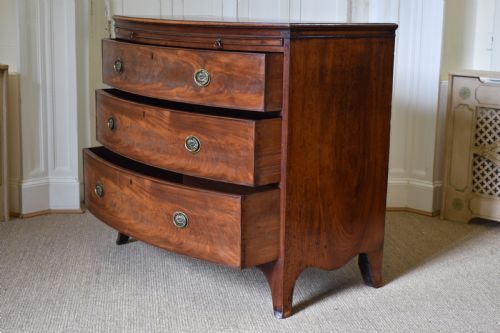
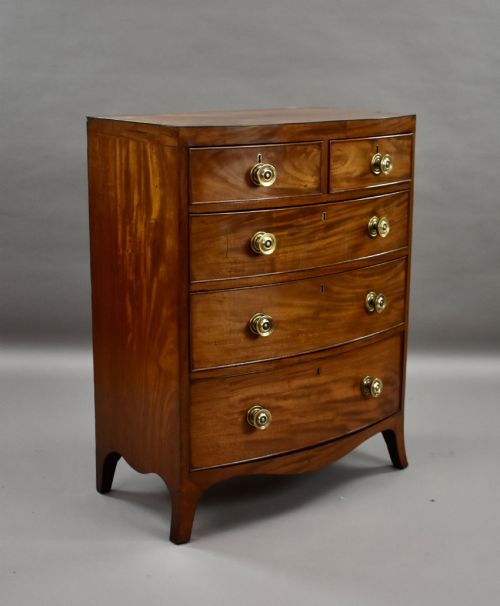
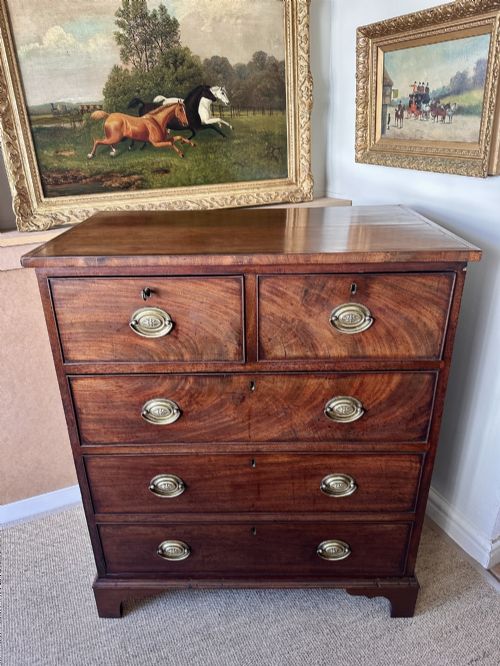
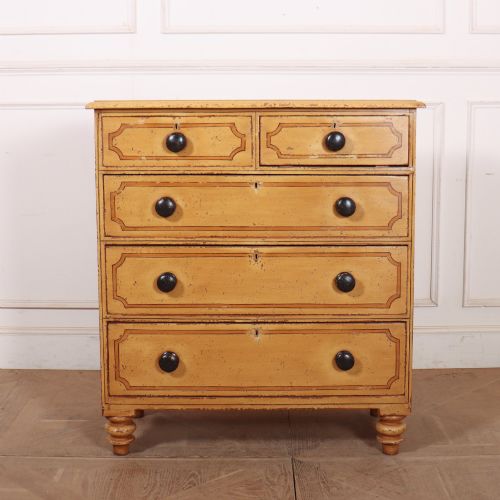
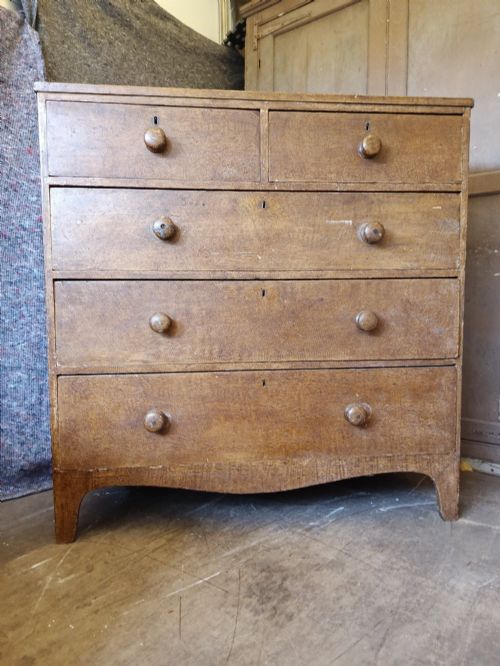
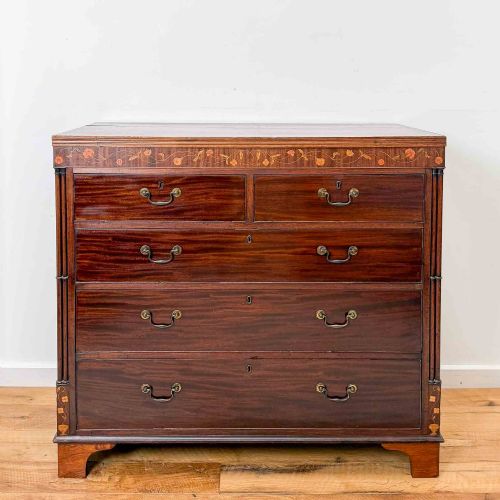
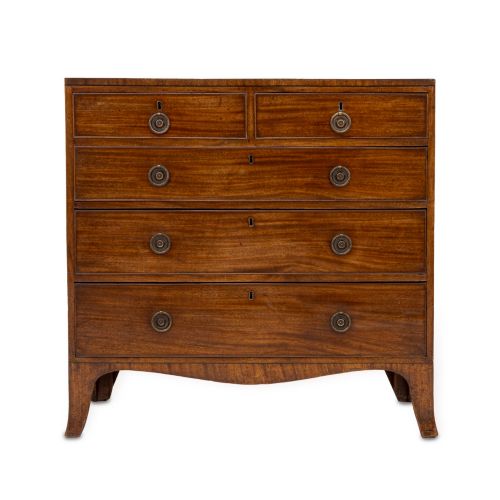
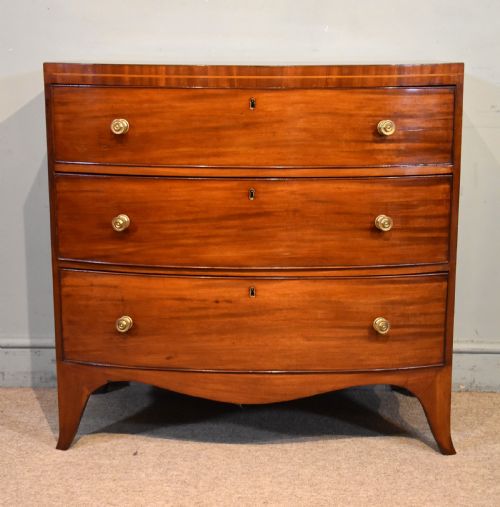
When you search for a regency three drawer chest, you encounter case furniture designed for domestic chambers during the early nineteenth century and associated periods like the Georgian and William IV eras. The standard form on this page is a chest of drawers, often featuring a bow front, standing on bracket feet or paw feet, and constructed from timber rather than metal.
Beyond the full-sized bedroom pieces, the selection includes smaller variations such as bedside cabinets, desktop cabinets, and work tables. These items share the characteristic three-tier or three-drawer arrangement, utilising compact footprints that suit smaller rooms while maintaining formal architectural lines.
Materials and construction
Cabinetmakers relied heavily on mahogany as the primary timber, frequently selecting flame mahogany veneer to create striking figure on drawer fronts. Secondary woods like pine appear in internal partitions and drawer linings, providing sturdy structural support hidden behind the primary facade.
Decorative detailing incorporates contrasting elements such as boxwood and satinwood inlay, brass handles or escutcheons, and occasional ormolu mounts on continental-influenced pieces. Timber surfaces were polished to bring out the natural grain, while structural joints relied on traditional dovetailing for durability.
Mahogany is the dominant wood across these listings, accompanied by brass hardware and decorative satinwood inlay.
Distinctions in quality
The degree of refinement in the timber veneer selection and inlay work separates standard utility furniture from finer cabinetmaking. Pieces boasting carefully matched flame mahogany grains and precise satinwood stringing demonstrate greater workshop skill than plain boards.
Proportion and execution of feet - whether splayed bracket feet, paw feet, or simple turned supports - define the visual harmony of the chest. The crispness of edge moulding and the integration of working locks with original keys also indicate the standard of production.
T & G Seddon·Gillows
The Regency Three Drawer Chest Glossary
- Bow front
- A convex curved front facade that swells outward from the corners, commonly seen on chests from this period. This shaping requires skilled carpentry to bend and fit the timber accurately.
- Flame mahogany
- A veneer cut from the fork of the mahogany tree where branches meet the trunk, producing a rippling, flame-like pattern. It was prized for principal display surfaces like drawer fronts.
- String inlay
- A narrow strip of contrasting wood, such as boxwood or satinwood, inlaid into channels cut into the primary timber. It creates delicate linear borders around drawer edges or top panels.
- Caddy top
- A tabletop style with a raised, moulded edge that echoes the shape of tea caddies from the period. It provides a distinct finished rim to the upper surface of the chest.
Regency Three Drawer Chest: Frequently Asked Questions
What periods do these chests come from?
The listings span the Regency, Georgian, and Victorian eras, with manufacturing dates often centred around eighteen hundred to eighteen-twenty. Pieces also appear from the William IV and George IV reigns.
While the primary aesthetic is Regency, variations extend into later nineteenth-century interpretations and earlier George III styles that share similar proportions.
How were these small chests used originally?
These compact pieces served primarily in bedrooms and dressing rooms for storing folded garments, linens, or personal accessories. Lower three-drawer versions provided accessible surface space as well as drawer storage.
Smaller variants functioned as bedside tables or desktop collector cases for papers, currency, and small valuables.
What woods are most common?
Mahogany is the dominant timber across the inventory, frequently enhanced by flame mahogany veneer on the primary surfaces. Pine appears commonly as a secondary wood for internal framing and drawer bottoms.
Inlays incorporate lighter woods such as satinwood and boxwood, while brass hardware provides contrast for handles and key escutcheons.