

Regency Table with Drawer
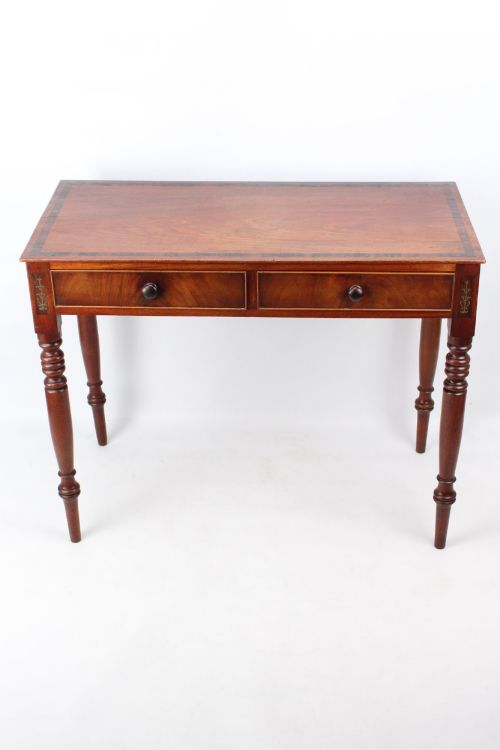
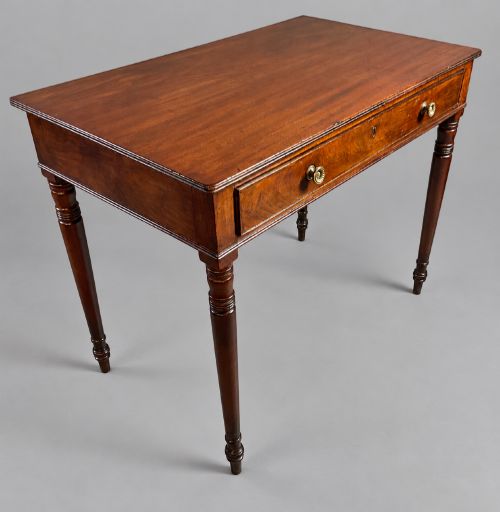
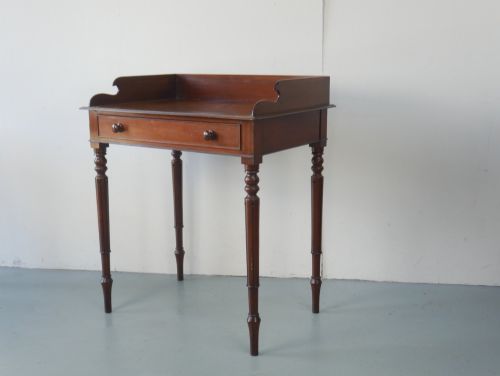
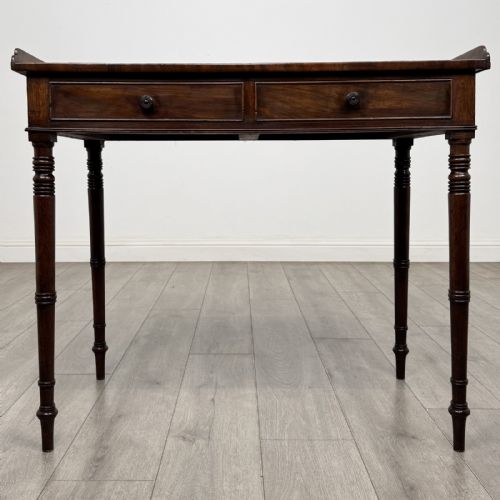
A regency table with drawer offers refined proportions and practical storage, combining the elegant lines of the early nineteenth century with everyday utility.
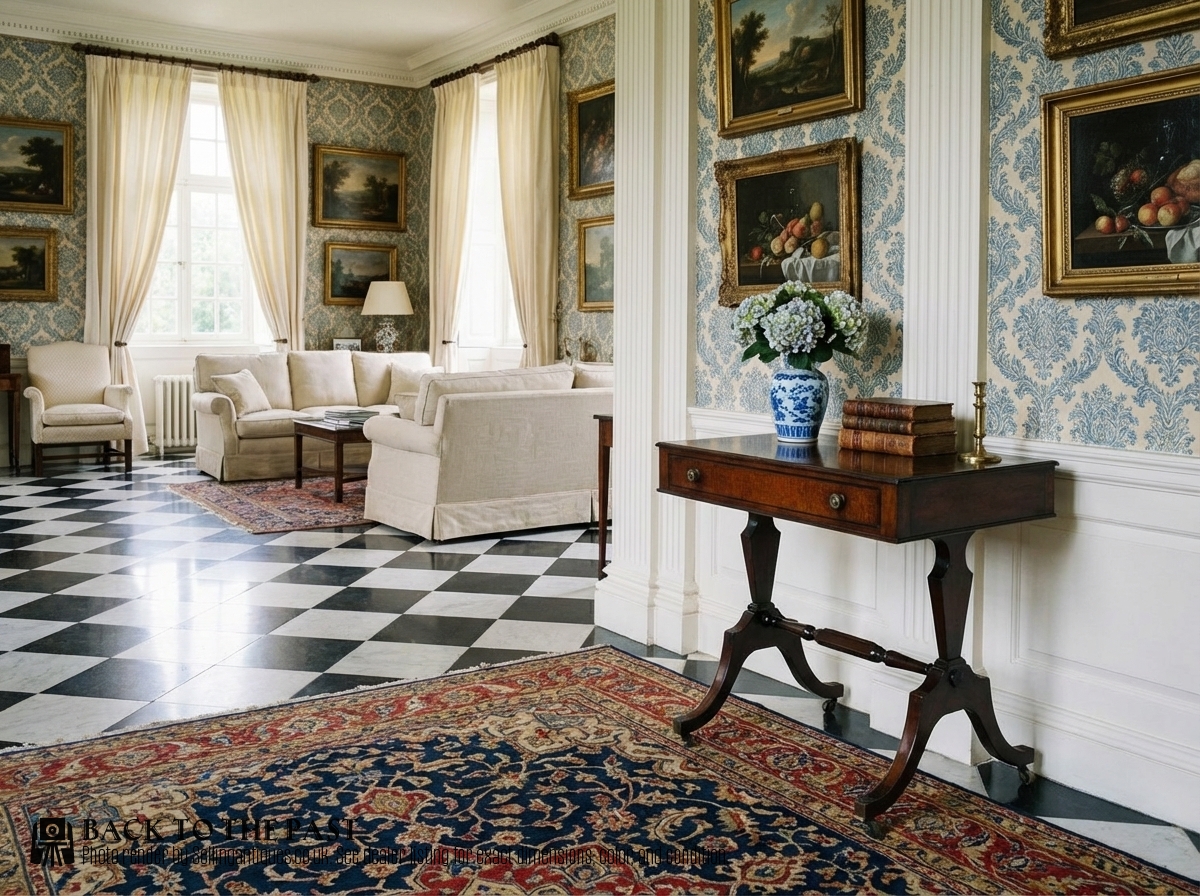
Regency Table with Drawer
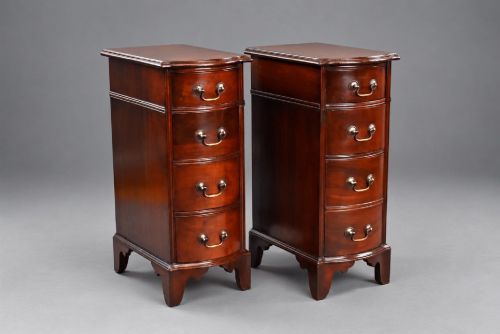
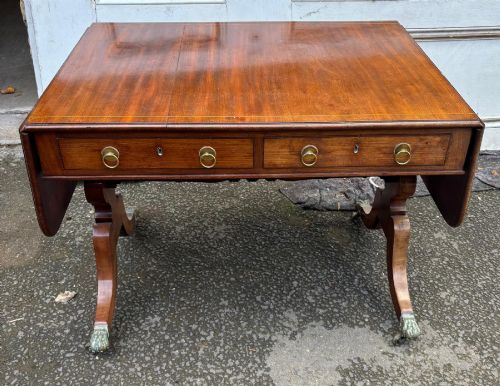
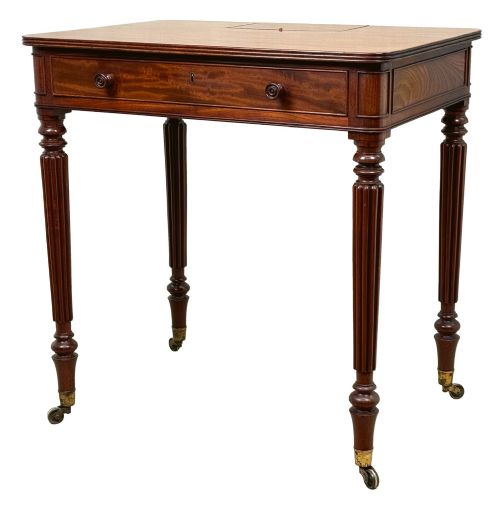
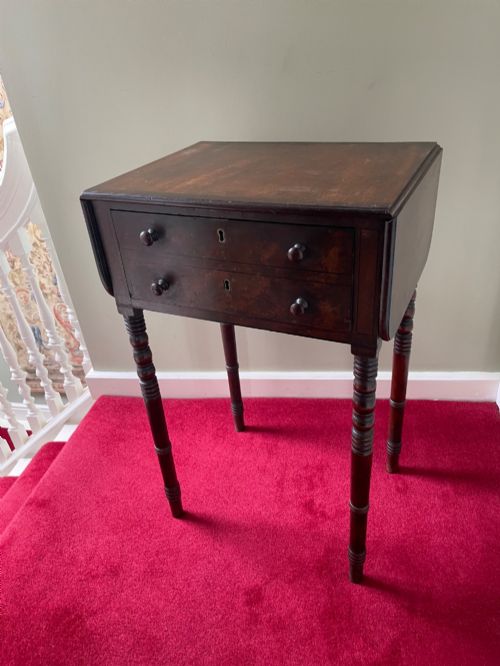
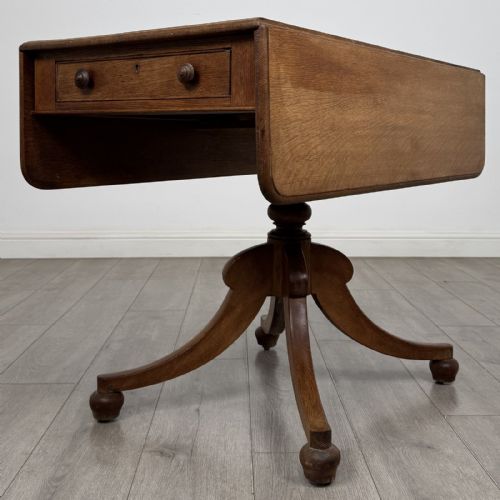
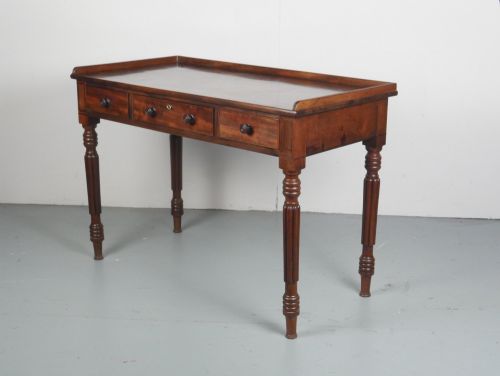
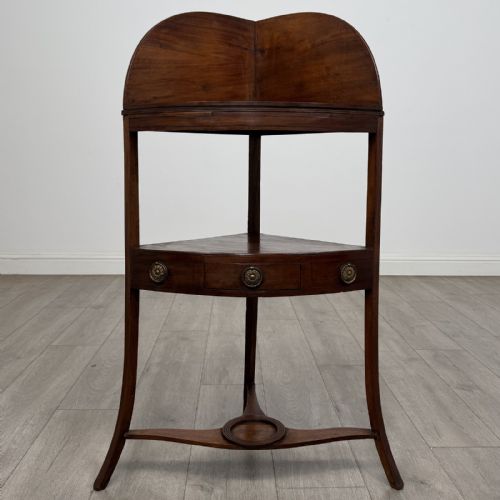
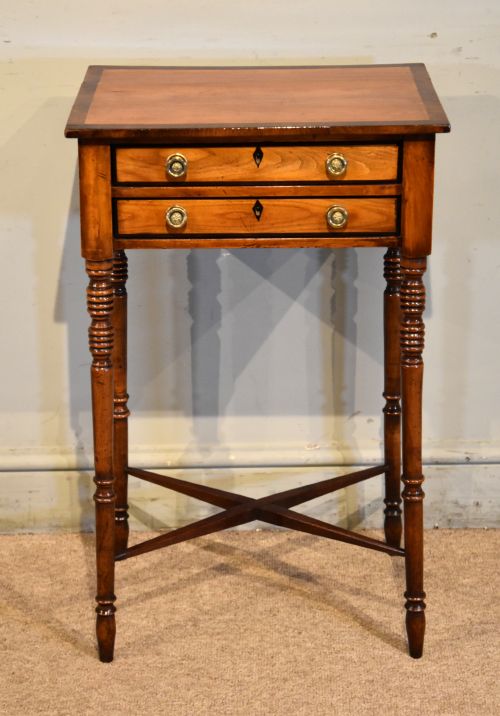
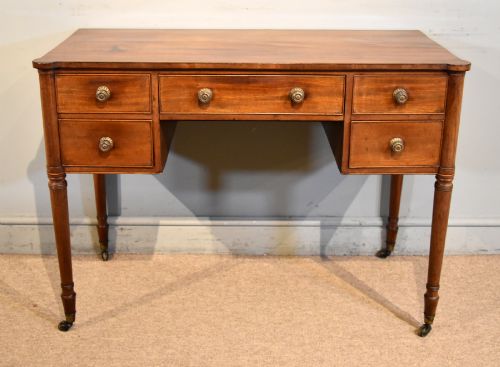
When you search for a regency table with drawer, you encounter a selection of compact furniture pieces primarily dating from the nineteenth century, including Georgian and William IV periods, alongside later revival examples. These pieces typically manifest as side tables, occasional tables, writing desks, and sofa tables equipped with integrated drawer storage.
Mahogany predominates among the surviving examples, often accompanied by rosewood, fruitwood, and oak, frequently displaying the classic forms associated with Regency, George IV, and late Georgian styles. The drawer configuration ranges from a single frieze compartment to multiple secret drawers or fitted writing spaces.
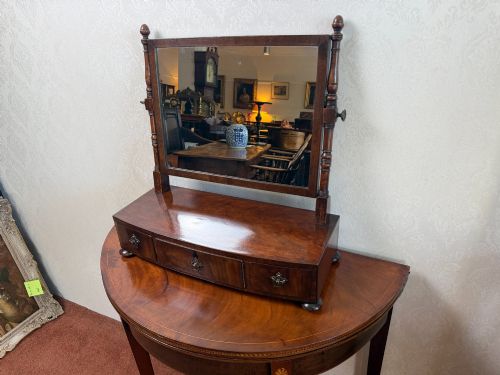
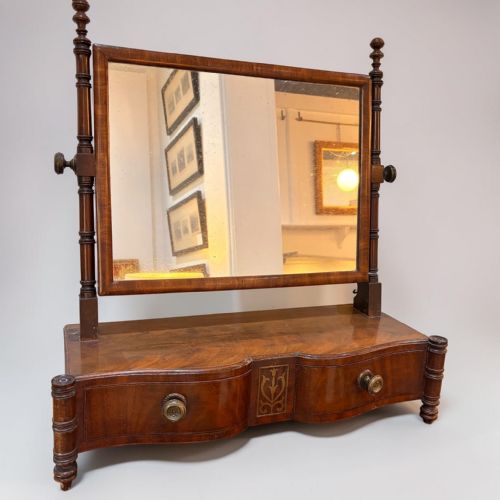
Most pieces seen here serve specific functional roles within domestic spaces, functioning as lamp tables, work tables, or dressing mirrors. Their design prioritises clean architectural lines balanced with the understated warmth of figured timber.
How they were made
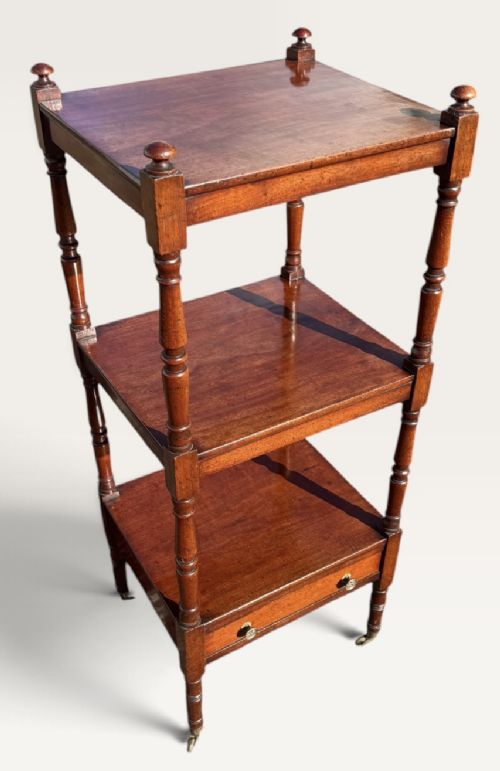
Decoration relied heavily on natural timber grain, supplemented by subtle boxwood stringing, brass handles, and occasionally inlaid geometric patterns or gilt brass mounts. Castors made of brass often supported the legs, allowing these freestanding pieces to be moved easily across rooms.
Regency Table with Drawer Retail Price Guide 2026
Typical asking prices for regency table with drawer among the pieces listed under this phrase on Sellingantiques today, from the lower quarter to the upper quarter. They describe what is for sale here now, not the wider market.
Listings feature mahogany, rosewood, and oak side tables alongside specialised work tables and drum tables from the nineteenth century.
What varies in quality
The distinction between tiers of quality rests largely upon the choice of timber and the precision of the cabinet work. Superior examples exhibit tightly figured mahogany or matched rosewood veneers, alongside crisp mouldings and well-executed joinery in the drawer construction.
Hardware and secondary details further separate pieces, with original brass handles, fine crossbanding, and secret mechanisms indicating a higher grade of craftsmanship. Proportion and restraint in decoration also dictate the desirability of an individual piece.
Gillows of Lancaster
The Regency Table with Drawer Glossary
- Frieze
- The horizontal band situated directly beneath the tabletop where drawers are typically housed.
- Crossbanding
- A narrow strip of veneer applied across the grain of the primary timber to create a decorative border.
- Drum table
- A circular library or writing table featuring a deep top fitted with multiple drawers around the circumference.
- Pembroke table
- A drop-leaf table with hinged flaps on two sides and a drawer integrated into the frieze.
- Sabre leg
- A curved, outwardly tapering leg of rectangular section characteristic of Regency furniture.
Regency Table with Drawer: Frequently Asked Questions
What is a regency table with drawer used for?
These tables served various practical functions in nineteenth-century interiors, acting as writing desks, work tables for sewing, or side surfaces for lamps and personal items.
The integrated drawer provided discreet storage for writing implements, sewing tools, or small household objects while maintaining a clean aesthetic.
How do I identify the wood used?
Mahogany is the most frequent timber encountered, typically showing a deep reddish-brown tone and straight or flame grain patterns. Rosewood displays a heavier, darker figure with distinct dark streaks, while fruitwood and oak present lighter, warmer tones.
Closer inspection of the drawer interiors often reveals secondary woods like pine or oak, helping to confirm the period of construction.
Where should I place this table at home?
Their compact dimensions make these tables adaptable to hallways, beside sofas, or as dressing surfaces in bedrooms. Freestanding designs also allow them to sit effectively behind seating or in the centre of a room.
The inclusion of a drawer makes them particularly useful in entryways for containing keys and daily necessities.