


Regency Style Mahogany Furniture
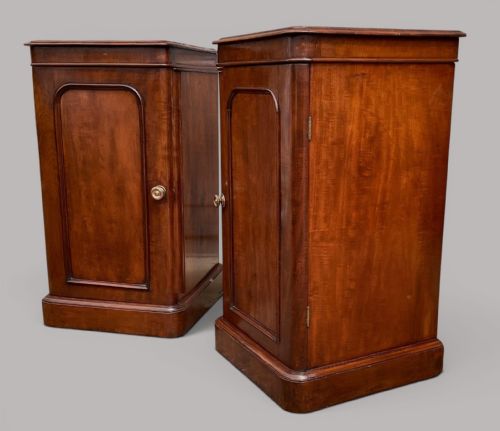
Regency style mahogany furniture brings classic elegance and rich grain patterns into interiors through dining tables, chests of drawers, and armchairs.
Regency Style Mahogany Furniture
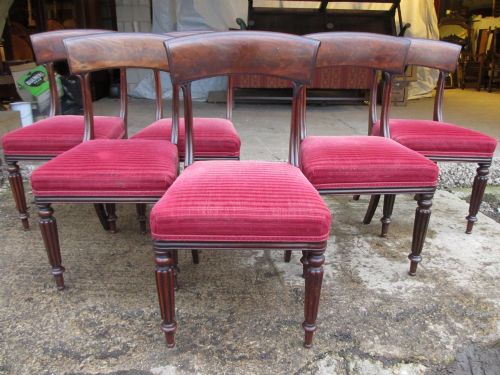
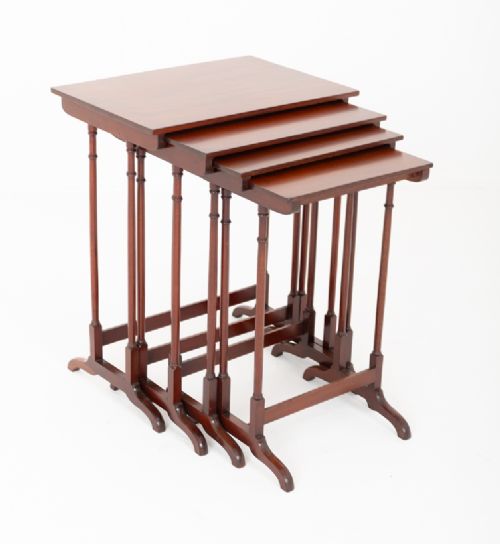
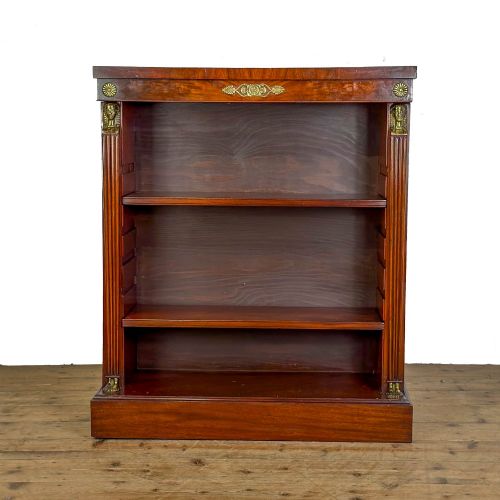
Regency style mahogany furniture encompasses practical household forms designed for dining, storage, and seating. When exploring this selection, buyers encounter dining chairs, side tables, bookcases, and chests of drawers originating from various periods.
The objects span original 19th-century examples alongside later revivals from the Edwardian era and the 1920s. Common functional pieces include pedestal dining tables, library armchairs, and sideboards suited for traditional rooms.
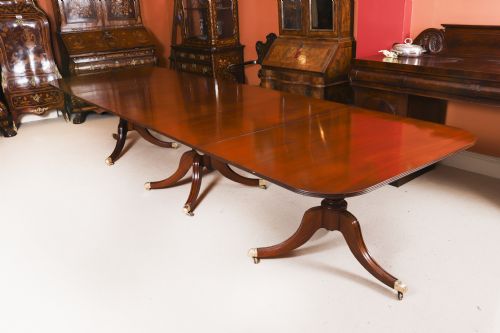
Originating across British and continental workshops, these items adapt classical design motifs for domestic interiors. Dining furniture and storage chests remain the most frequently encountered forms within this grouping.
How they were made
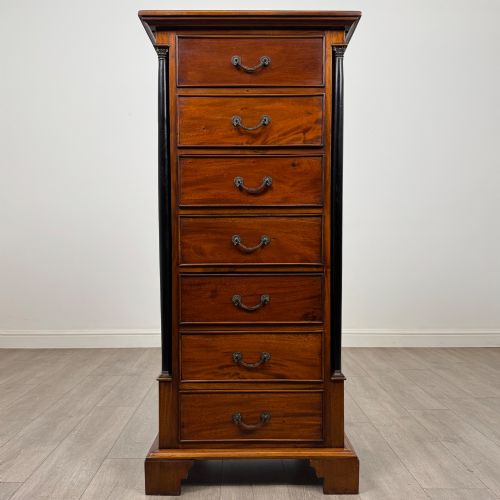
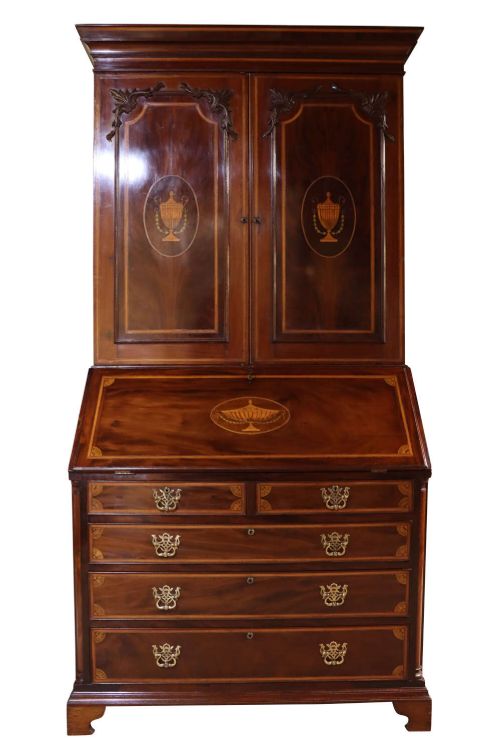
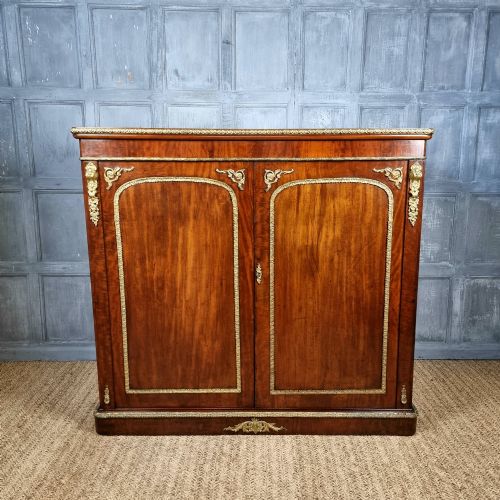
Cabinetmakers utilised solid timber and decorative veneers, often selecting flame mahogany to highlight striking grain figures. Surface enrichment frequently incorporated contrasting boxwood inlay alongside polished brass handles and mounts.
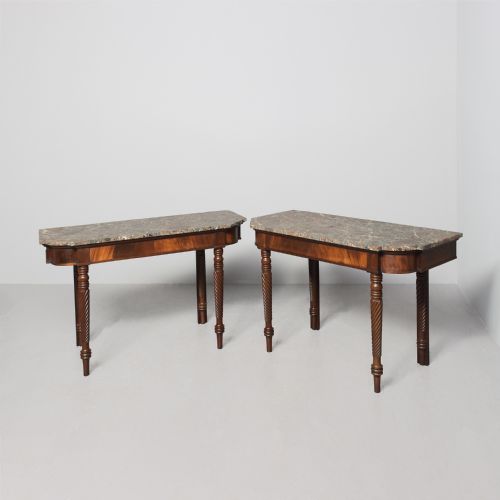
Structural elements frequently integrated secondary woods alongside specialised details like caned seats, leather writing surfaces, and marble tops. Construction methods relied on traditional joinery techniques suited to heavy domestic use.
What varies in quality
The degree of refinement in carving, the choice of timber veneer, and the crispness of brass or inlay details distinguish individual pieces. Superior examples exhibit balanced proportions and careful selection of figured mahogany across prominent surfaces.
Attribution to known workshops or adherence to period proportions elevates certain items above standard commercial production. The integrity of original secondary timbers and polished surfaces further influences the character of each piece.
Gillows·Holland & Sons·Whytock & Reid·The Woodworkers Ltd Kilkenny
The Regency Style Mahogany Furniture Glossary
- Flame mahogany
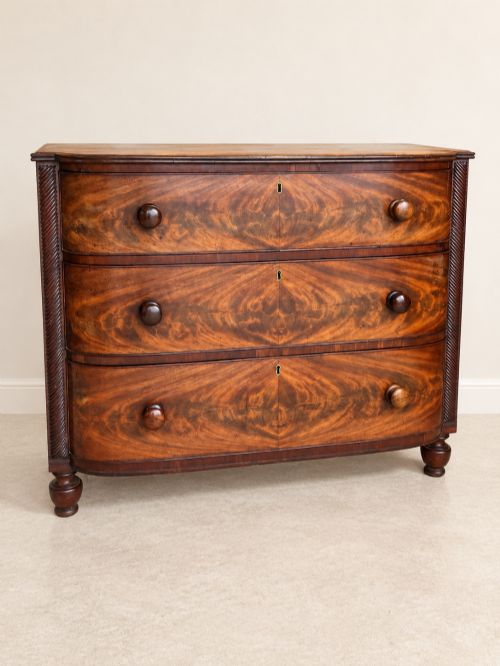
- A veneer cut from the fork of the tree where branches meet the trunk, producing a distinctive flame-like pattern. This decorative grain was highly prized for drawer fronts and tabletops.
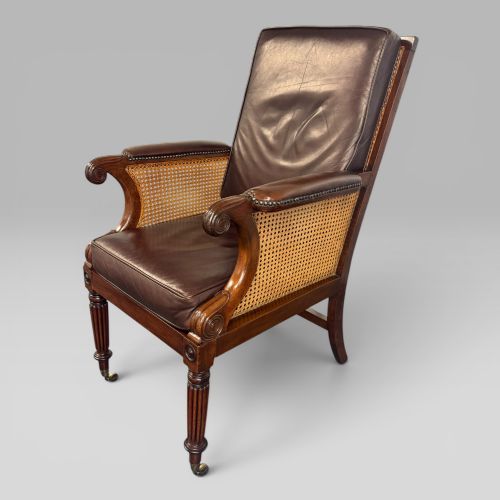
- Bergère
- An enclosed armchair with upholstered sides and a cane or upholstered back. These seats often appeared in libraries and drawing rooms during the Regency period.
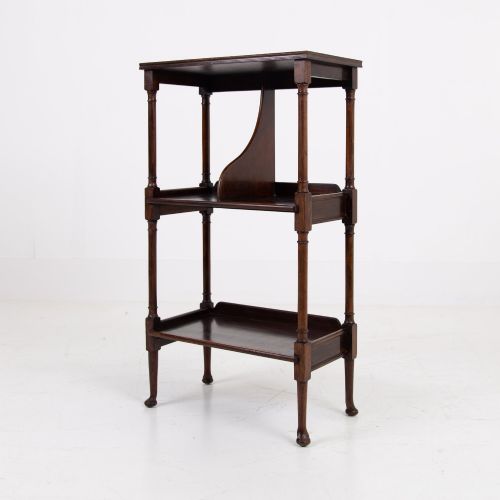
- Whatnot
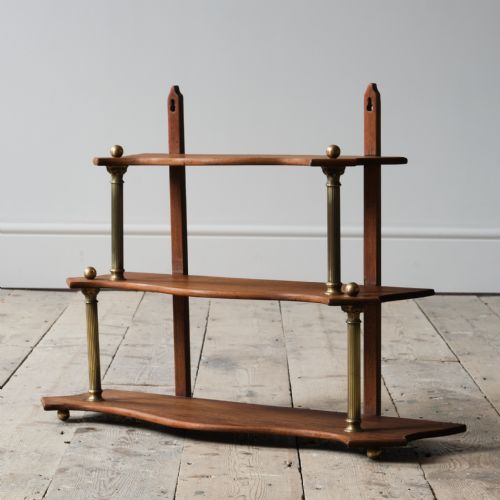
- A set of open shelves supported by slender columns, used for displaying or storing small objects. These tiered pieces date from the early nineteenth century onwards.
- Dumb waiter
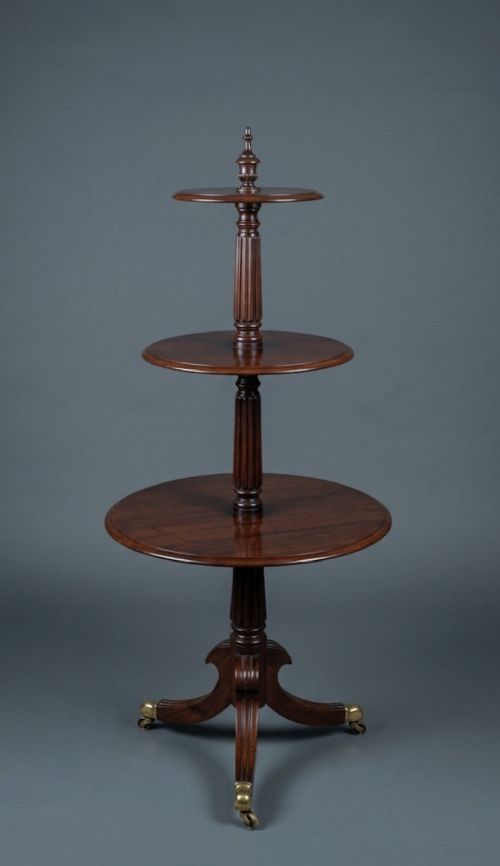
- A tiered revolving stand placed beside a dining table to hold dishes and silverware. This form allowed diners to serve themselves without servants present.
- Inlay
- A technique where contrasting materials such as boxwood are inserted into recesses cut into the wood surface. It creates geometric or pictorial patterns on tabletops and cabinet doors.
Regency Style Mahogany Furniture: Frequently Asked Questions
How do I identify Regency style furniture?
Look for classical proportions, sabre legs, brass reeded details, and dark polished mahogany surfaces. These design elements draw inspiration from ancient Greek and Roman forms.
Revival pieces produced later often echo these exact silhouettes, making material examination essential for dating.
Are these pieces suitable for daily use?
Most items, including dining tables, chairs, and chests of drawers, were built for practical domestic application and remain entirely functional.
Careful placement away from direct heat sources helps preserve the polished mahogany finishes and prevent timber movement.
What is flame mahogany?
Flame mahogany refers to a specific veneer cut displaying a rippled, flickering grain pattern resembling flames. Cabinetmakers applied this decorative timber to prominent focal points like drawer fronts.
Its distinct visual movement distinguishes standard mahogany surfaces from high-status decorative pieces.
How do original pieces differ from later revivals?
Original nineteenth-century items utilise period construction methods and older secondary woods, showing natural signs of age. Later revival pieces from the Edwardian period or the twentieth century often display different internal joinery.
Both categories maintain the classic aesthetic associated with the Regency style.