

Regency Style Furniture
Regency style furniture brings architectural balance and rich timber grain to an interior, offering classic forms for modern living.
Regency Style Furniture
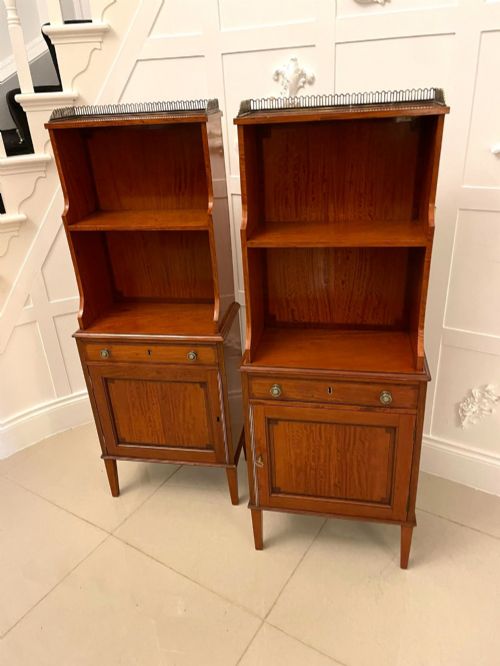
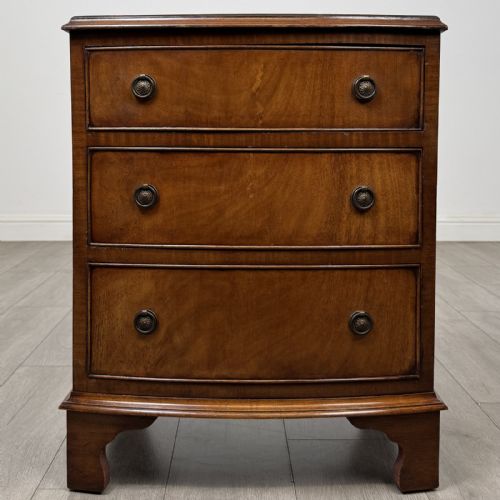
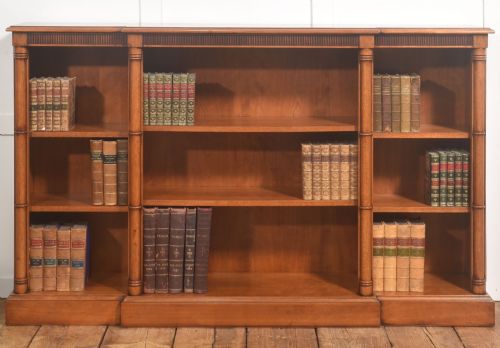
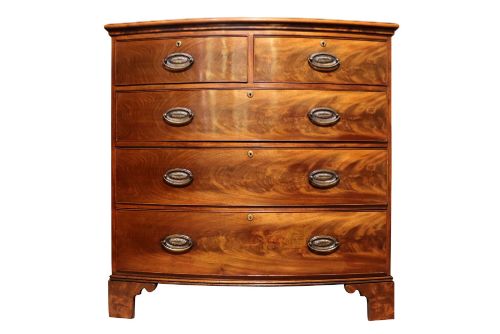
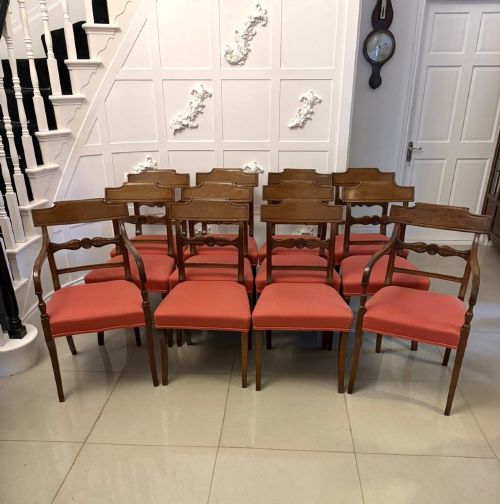
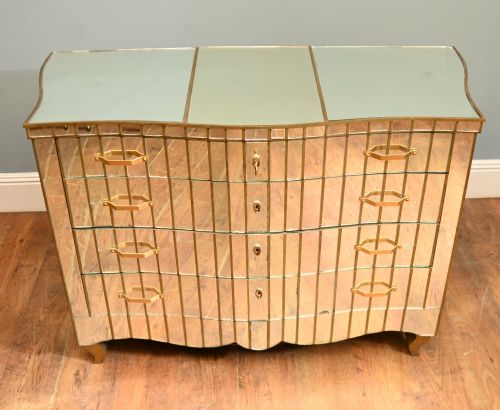
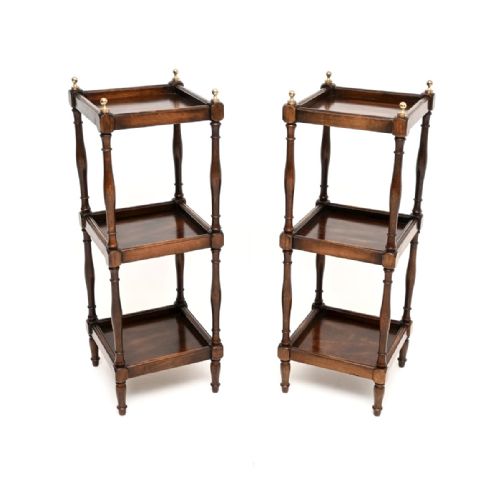
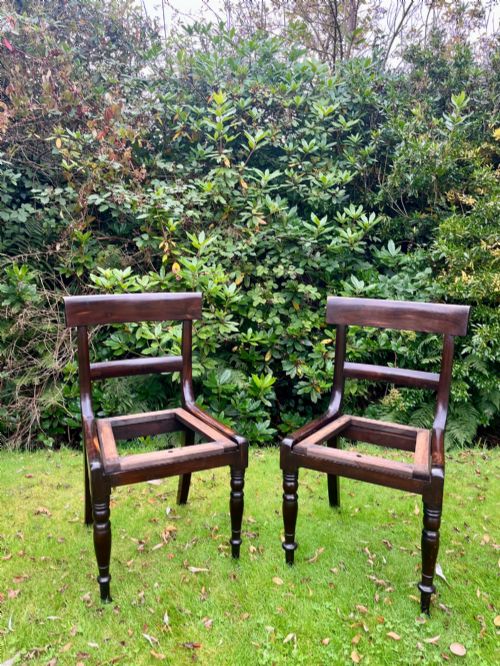
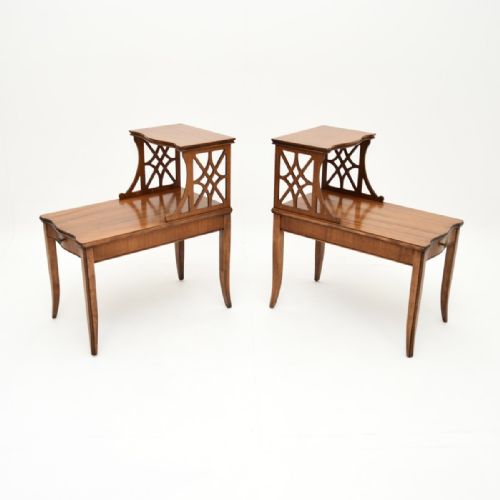
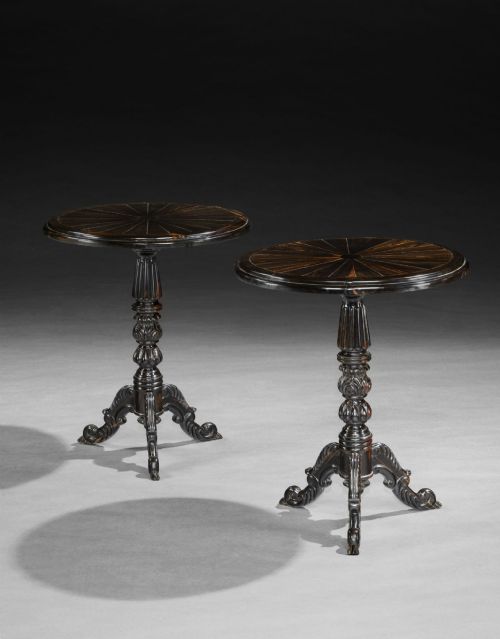
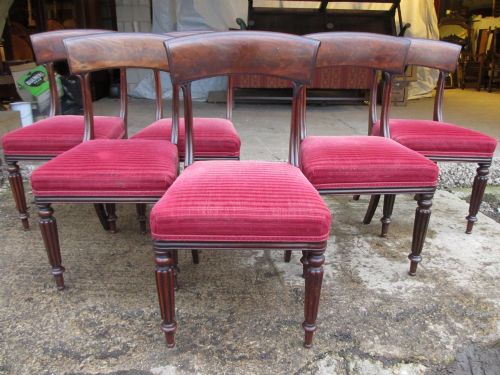
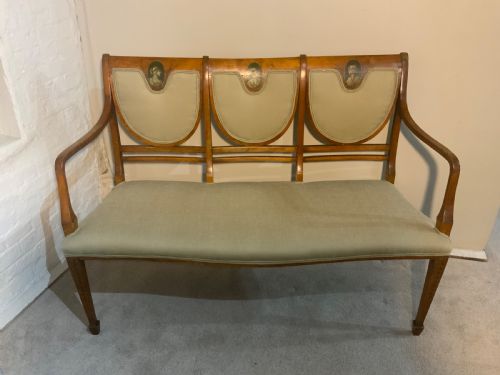
When you search for regency style furniture, you encounter a curated selection of seating, storage, and display pieces that span original 19th-century production alongside later revivals from the twentieth century. These items include side tables, bookcases, armchairs, dining chairs, chests of drawers, and console tables designed with classical proportions.
The objects on this page bridge multiple eras, stretching from the Georgian and Regency periods through the William IV era and into later Victorian and early twentieth-century revivals. Original pieces sit alongside items produced in 1880, 1900, 1910, 1920, and 1930, capturing both primary craftsmanship and subsequent revivals of the aesthetic.
Buyers will find that dining chairs and side tables form the most common encounters in this grouping, often appearing in matched pairs or larger sets. Alongside these practical seating and surface options, bookcases and chests of drawers provide substantial storage while maintaining the characteristic clean lines of the style.
Materials and construction
Makers relied heavily on dense hardwoods, utilising mahogany, rosewood, satinwood, and laburnum to build the primary structures of tables, chairs, and cabinets. These timbers were often selected for their deep natural grain and warmth, providing a durable foundation that sustained intricate carving and shaping.
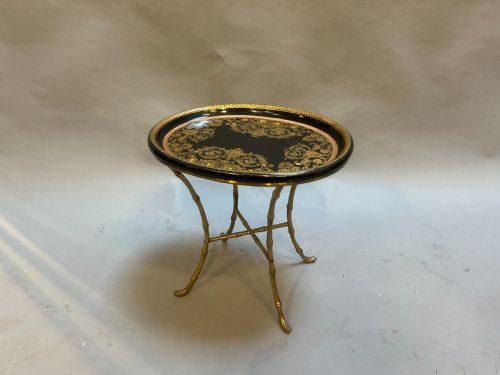
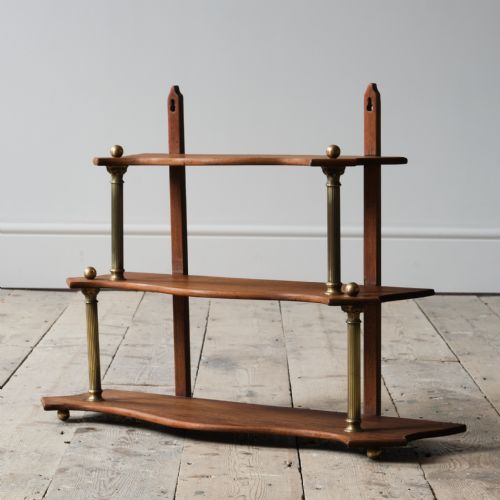
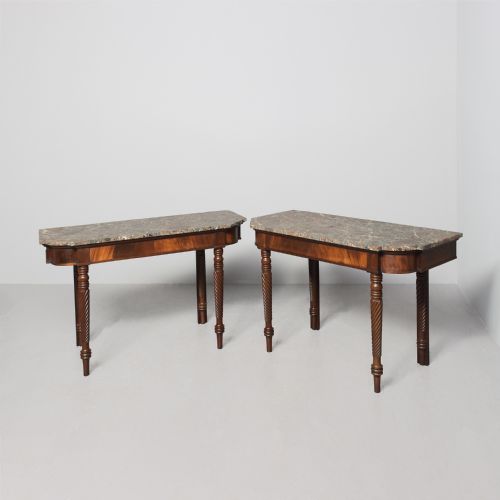
Metal and organic details were integrated to accent the timber framework, incorporating brass for inlay and mounts, leather for writing surfaces, marble for table tops, and cane for seating panels. Papier mache and paint also appear on specific occasional pieces, demonstrating a varied material palette across different forms.
A tilting tripod table doubles as a fire screen, letting someone warm their shins without scorching the tabletop.
Assessing quality and execution
Quality separates pieces through the precision of the cabinetmaking and the selection of figured veneers. Superior examples display seamless timber matching and crisp, hand-carved details rather than mechanical replication.
The integration of secondary materials such as brass inlay, marble tops, and canework dictates the upper tier of the range. Finer construction ensures stability in joints, drawers, and tilt mechanisms, preserving structural integrity over centuries.
Gillows·George Bullock·Holland and Sons·Mallett·Louis Constantin Le Gaigneur
The Regency Style Furniture Glossary
- Bergère
- An enclosed upholstered armchair with wooden framing exposed around the sides and back, often incorporating cane panels.
- Breakfront
- A cabinet or bookcase whose central section projects forward from the flanking sections, creating architectural depth.
- Bergère
- An enclosed upholstered armchair with wooden framing exposed around the sides and back, often incorporating cane panels.
- Breakfront
- A cabinet or bookcase whose central section projects forward from the flanking sections, creating architectural depth.
- Strapwork
- Flat ornamental scrollwork resembling leather straps, used to decorate panels or architectural friezes.
- Bergère
- An enclosed upholstered armchair with wooden framing exposed around the sides and back, often incorporating cane panels.
Regency Style Furniture: Frequently Asked Questions
How do I identify a true period piece?
True period pieces display construction methods consistent with early nineteenth-century cabinetmaking, such as hand-cut dovetails and native timber secondary woods. Examining the joinery and ageing of the materials helps distinguish original items from later revivals.
Later revival pieces from the twentieth century often use standardised fixings and machine-cut elements while faithfully copying the classical forms of the earlier era.
Are these items suitable for daily use?
Most items, including dining chairs, side tables, and chests of drawers, were built for practical domestic function and remain sturdy enough for everyday living. Regular use benefits from maintaining stable indoor humidity to protect delicate veneers and solid timber.
Careful placement away from direct heat sources ensures that polished surfaces and inlaid brass remain secure within the wood.
How should I care for marble tops?
Marble-topped tables and consoles require gentle cleaning with a damp cloth and neutral soap, avoiding acidic substances that can etch the polished stone surface. Using coasters and mats protects the natural material from staining.
Periodic application of a specialised stone wax helps maintain the lustre and seals the porous surface against moisture.