



Regency Silver Pocket Box
These regency silver pocket box examples are compact functional containers crafted in precious metals that collectors prize for their intricate smithing.
Regency Silver Pocket Box
When you search for a regency silver pocket box, you enter a sphere of small personal containers designed for snuff, vinaigrettes, and portable scientific instruments. These pieces originated during the Georgian, Regency, and William IV periods, serving fashionable society for carrying aromatic vinegars or powdered tobacco.
The most common forms you will meet on this page are snuff boxes and vinaigrettes, alongside occasional travel thermometers housed in leather cases. Originating predominantly from English and Irish workshops, these items reflect the meticulous metalwork standards of the early nineteenth century.
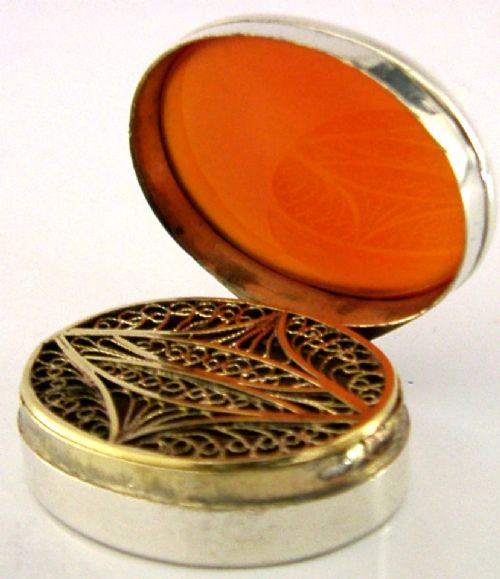
Makers utilised precious metals to create these small vessels, often incorporating decorative stones such as orange agate or applying gold gilt finishes. Each box offers a glimpse into the personal accessories carried daily by gentlemen and ladies of the era.
Materials and Craftsmanship
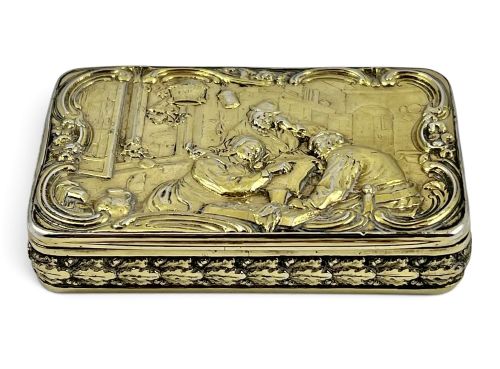
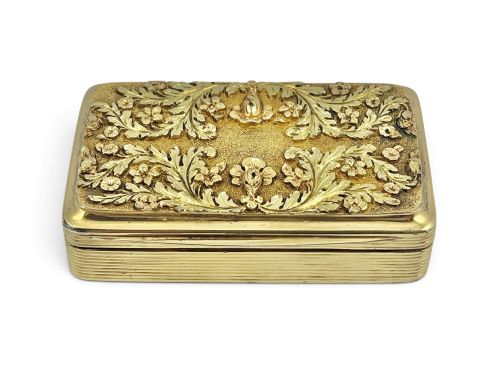
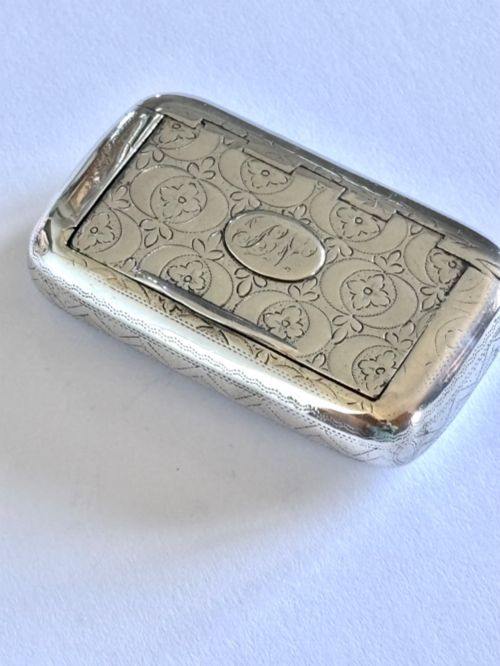
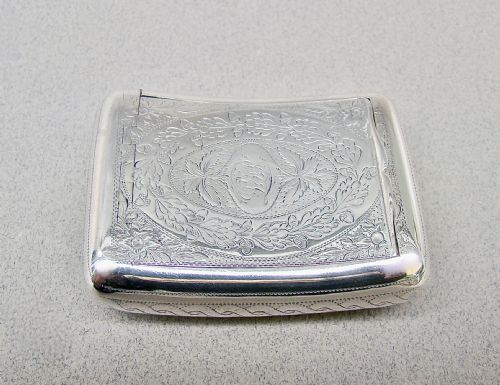
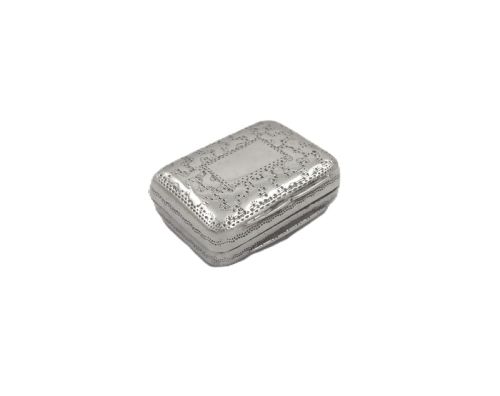
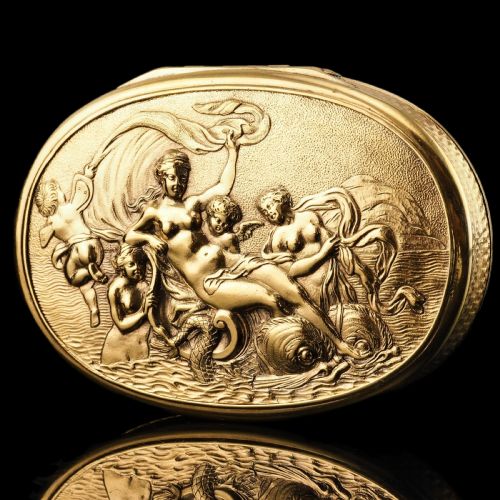
Silversmiths fashioned these pocket containers primarily from sterling silver, frequently enhancing the interior with gold gilt or vermeil to protect the metal from corrosive contents. The exterior surfaces often received bright-cut engraving or cast decorative scenes, such as classical motifs.
Specialised items like vinaigrettes feature hinged internal grille work pierced with delicate floral or geometric patterns to diffuse scent. Other variations incorporate natural materials like orange agate panels set directly into the silver lid.
Makers marked their work with standard hallmarks denoting city assay offices, date letters, and maker initials, grounding each physical object in a precise documentary history.
Regency Silver Pocket Box Retail Price Guide 2026
Typical asking prices for regency silver pocket box among the pieces listed under this phrase on Sellingantiques today, from the lower quarter to the upper quarter. They describe what is for sale here now, not the wider market.
The listings show items spanning the Georgian, Regency, and William IV periods, executed in sterling silver, gold plate, leather, and orange agate.
Distinctions in Quality
The degree of refinement in the chased or bright-cut decoration separates standard containers from superior examples. Crisp lines on engraved crests and detailed figurative scenes indicate a master hand at the workbench.
The presence of internal gilding in pristine condition alongside tightly fitting hinges demonstrates superior original manufacture and careful subsequent preservation. Quality also rests in unusual material combinations, such as natural agate stones paired with sterling silver frames.
Joseph Willmore·John Shaw·Thomas Harris And Son·John Bettridge·FBS
The Regency Silver Pocket Box Glossary
- Vinaigrette
- A small ornamental box featuring an internal pierced grill that held a sponge soaked in aromatic vinegar. This accessory provided relief from unpleasant odours in public spaces.
- Bright-cut
- An engraving technique utilising faceted V-shaped cuts to create reflective geometric patterns on silver surfaces. This method was widely favored during the Georgian era.
- Silver-gilt
- Sterling silver that has been coated with a thin layer of gold, also known as vermeil. This treatment protected the silver from tarnishing when exposed to acidic substances.
- Agate
- A decorative chalcedony quartz variety displaying natural banded colours. Makers set polished panels of this stone into box lids to provide colourful contrast to the metal.
- Hallmark
- An official stamp struck into precious metals to guarantee the purity standard. These marks identify the assay office, year of manufacture, and the silversmith.
Regency Silver Pocket Box: Frequently Asked Questions
How were vinaigrettes used?
Vinaigrettes held a small sponge soaked in scented vinegar behind a decorative internal grille made of pierced silver. Owners opened the box to inhale the fragrance when confronted with foul odours.
These personal accessories were small enough to fit easily into a pocket or reticule, serving a practical health function in crowded urban environments.
How do I identify a Regency piece?
You identify a piece from this era by examining the hallmarks stamped into the silver, which record the assay office and date letter for the early nineteenth century. Stylistic markers such as bright-cut engraving also point directly to the Regency and Georgian periods.
Consulting maker marks helps connect the object to known workshops active during the reigns of George III and William IV.
Can I travel with a thermometer box?
Travel thermometers from this era, such as those housed in leather cases, are delicate scientific instruments. While they were originally built for transit, modern owners generally treat them as static cabinet pieces.
The combination of glass, mercury, and historic leather requires careful environmental control rather than everyday pocket carriage.