






Regency Rosewood Frames
Regency rosewood frames enclose mirrors, prints and portraits with a dense grain and dark warmth.
Regency Rosewood Frames
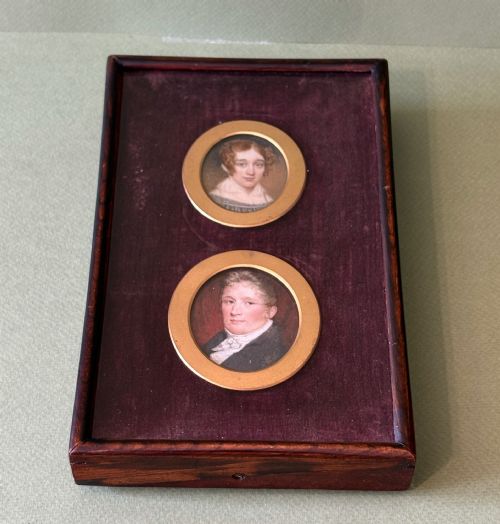
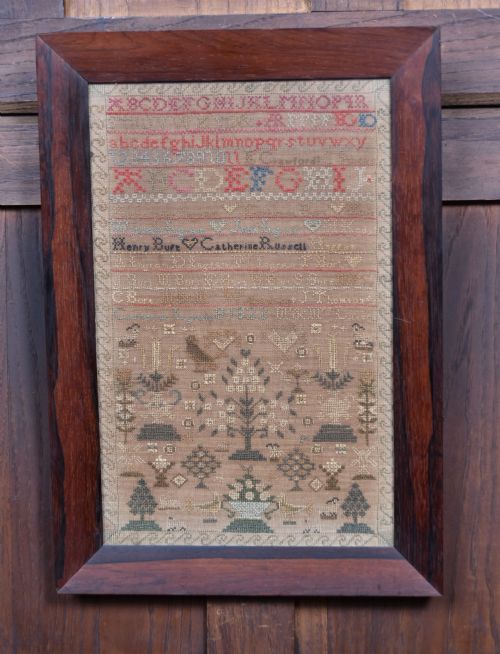
When you search for regency rosewood frames, you encounter timber surrounds enclosing mirrors, prints, and miniatures from the nineteenth century. These objects include overmantel mirrors, pier mirrors, and hanging wall variants alongside framed silhouettes and watercolours.
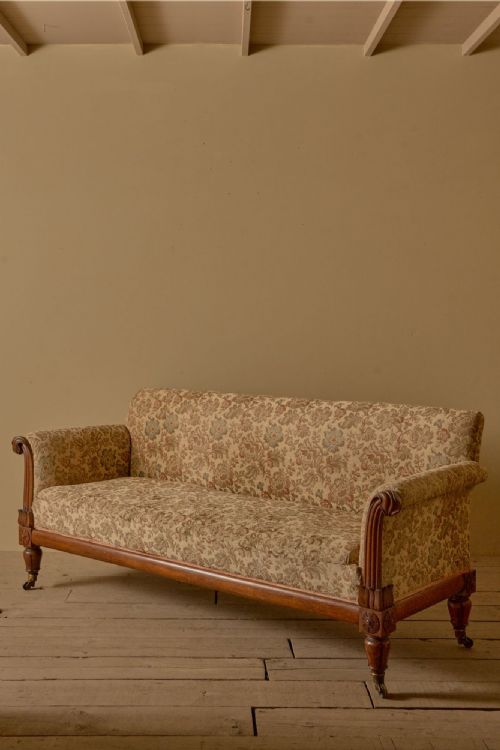
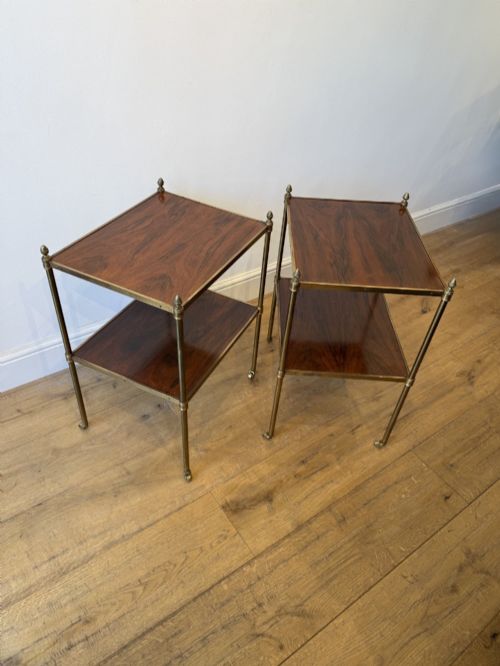
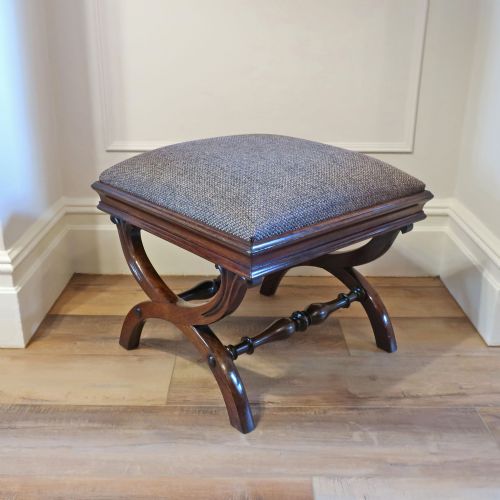
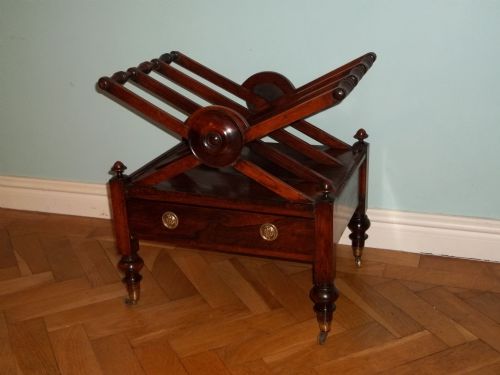
The pieces span the Regency, Georgian, and Victorian periods, often taking the form of rectangular wall hangings or standing items like footstools and library armchairs with exposed wooden borders. You also find simulated rosewood finishes applied to country house sofas and bergere chairs.
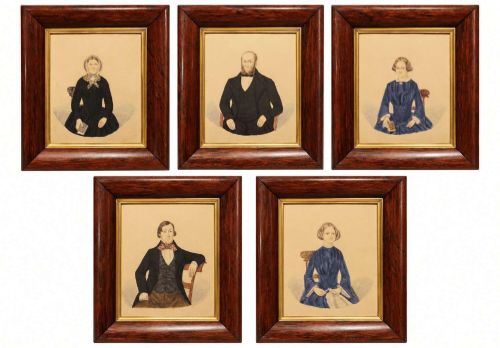
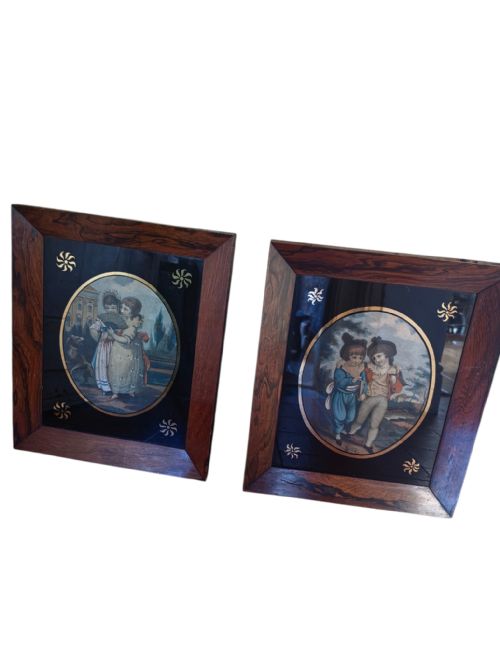
Surviving examples range from large architectural overmantel glasses to small framed portraits of children and theatrical prints. The primary material unites them, whether displayed as solid timber or as a faux-finished surface mimicking the grain.
How they were made
Cabinet makers utilised dense rosewood timber, selected for its dark contrasting grain, or applied simulated paint techniques to alternate woods to achieve the desired appearance. Brass mounts, gilt details, and glass plates were integrated into the construction of wall mirrors and overmantels.
Stools and seating frames incorporate internal wooden structures upholstered with materials like velvet, hessian, and tapestry needlework. Paper prints, ink silhouettes, and watercolours were secured behind glass panes within the wooden borders.
Regency Rosewood Frames Retail Price Guide 2026
Typical asking prices for regency rosewood frames among the pieces listed under this phrase on Sellingantiques today, from the lower quarter to the upper quarter. They describe what is for sale here now, not the wider market.
Listings feature items from the 19th Century, Regency, Victorian, and Georgian periods, incorporating materials such as rosewood, glass, brass, paper, and velvet.
What varies in quality
The refinement of the timber preparation and the depth of the grain separation distinguish finer examples from standard production. Artisans who selected highly figured rosewood veneers achieved a richer surface pattern than those using plain timber.
The integration of secondary materials such as cast brass ornamentation and applied gilt highlights indicates the standard of the workshop. Construction methods, including the precision of the mitred corners on frames and the joinery on stools, separate utilitarian items from grander pieces.
Mallett
The Regency Rosewood Frames Glossary
- Rosewood
- A dense, dark timber featuring characteristic black grain markings, heavily utilised for cabinet making and decorative frames during the nineteenth century. It polishes to a deep lustre.
- Overmantel mirror
- A large horizontal mirror designed to hang specifically above a fireplace mantelpiece. These often feature prominent wooden frames that match the interior style of the room.
- Silhouettes
- Profile portraits cut from black paper or painted in ink on a pale background, popular during the Georgian and early Victorian eras. They are frequently housed behind glass within narrow wooden surrounds.
- Pier mirror
- A vertical glass panel designed to hang on the narrow section of wall between two windows. They mirror the natural light in a room and typically echo the architectural lines of the period.
- Simulated rosewood
- A painted surface finish where lesser timbers are artificially grained to mimic the appearance of genuine rosewood. This technique was common in country house furniture production.
Regency Rosewood Frames: Frequently Asked Questions
How do I date a rosewood frame?
Dating relies on construction methods, timber thickness, and the style of the glass or artwork contained within. Earlier pieces from the Regency period often display sharper architectural moulding and heavier timber sections.
Later Victorian iterations tend to introduce softer profiles or different backing materials. Comparing the hanging mechanisms and fixings to known examples helps confirm the period.
Are these frames solid rosewood?
Many items utilise rosewood veneers applied to a secondary structural timber carcass rather than being carved from solid wood. This technique allowed cabinet makers to display the most striking grain patterns on the visible surfaces.
Simulated or faux rosewood is also common on larger furniture items, where painters applied pigments to mimic the characteristic dark streaks of the natural material.
Where should I hang a pier mirror?
Pier mirrors are traditionally proportioned to fit the narrow wall space situated directly between two windows. This placement maximises the reflection of daylight into the interior spaces of nineteenth-century rooms.
Ensure the wall fixings are robust enough to support the weight of the timber frame and glass plate safely.
How should I clean rosewood surfaces?
Dust the timber gently with a dry, soft cloth to prevent particulate accumulation from dulling the polish. Avoid using modern household chemical sprays or silicone polishes that can degrade the historic finish over time.
Occasional application of appropriate wax polish maintains the moisture and deep lustre of the exposed rosewood grain.