

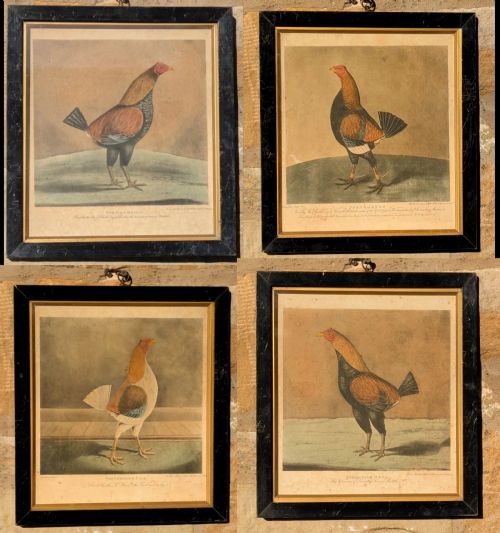
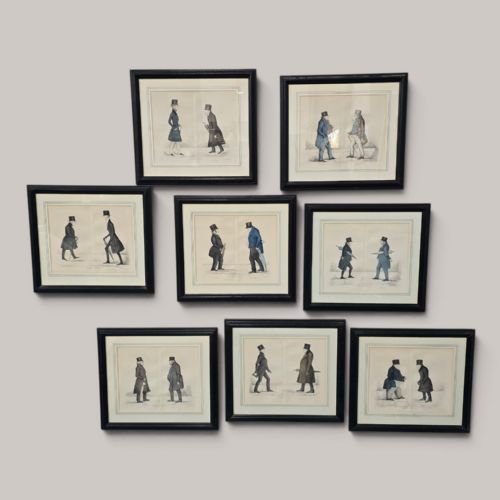
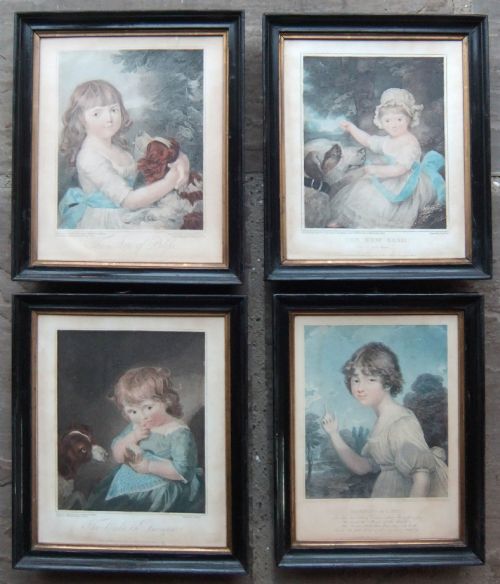





Regency Print Set
A regency print set brings the sharp line of early nineteenth-century copperplate work straight to your wall, offering paired or grouped visual narratives that define the period's domestic taste.
Regency Print Set
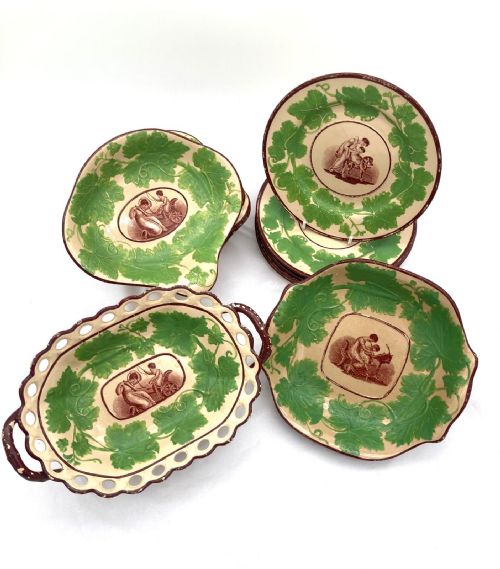
When you search for a regency print set, you encounter framed groupings of paper works that record everything from botanical studies to theatrical scenes and London views. These sets typically comprise multiple matching engravings or lithographs produced across the nineteenth century, often retaining their original period frames or glass mounts.
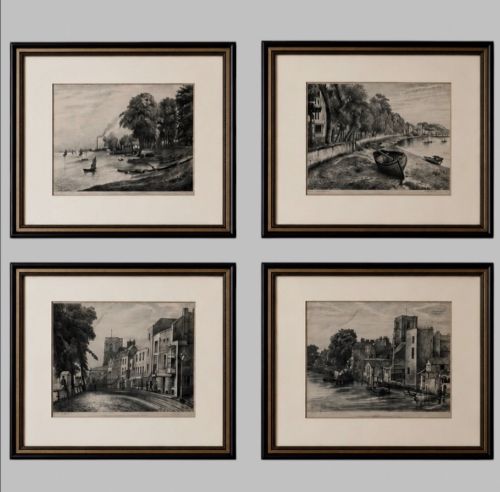
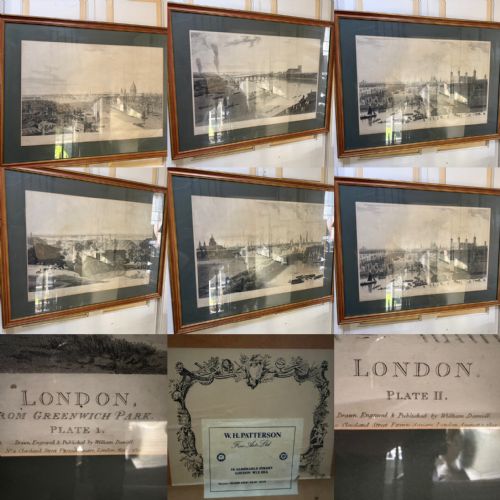
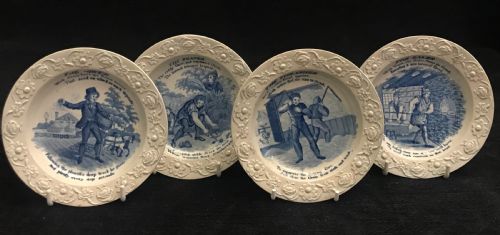
The selections on this page lean heavily towards framed wall art, featuring natural history plates, sporting sequences, and topographical engravings. You find series by named hands such as John Curtis and William Daniell alongside anonymous collections depicting street cries and shooting scenes.
Many of these groupings bring together plates published around eighteen-twenty, spanning Georgian elegance and early Victorian natural history. They survive either as matching sets of four or larger cohesive runs that preserve the decorative layout favoured by period interiors.
Materials and construction
The physical foundation rests on quality paper stock, marked by the impress of copperplate engravings or early lithographic stones. Artisans often applied hand-colouring or tinting directly over the ink lines, using watercolour pigments to bring definition to botanical specimens and military subjects alike.
Framing materials rely on timber and glass to protect the paper sheets from atmospheric damage. Reverse glass techniques also appear, sealing the printed image behind a protective glazed panel to preserve the delicate pigments underneath.
Regency Print Set Retail Price Guide 2026
Typical asking prices for regency print set among the pieces listed under this phrase on Sellingantiques today, from the lower quarter to the upper quarter. They describe what is for sale here now, not the wider market.
Monkeys peering from nineteenth-century copperplates prove that early interior decorators enjoyed a touch of mischievous wildlife on their parlour walls.
Quality and execution
The distinction between ordinary and superior examples lies in the crispness of the plate impression and the fidelity of the hand-colouring. Finer sets retain strong, unblemished pigment layers on clean paper, whereas lesser examples suffer from heavy fading or foxing across the sheet.
Cohesion within the group dictates overall merit, particularly whether the sheets share identical publication origins and uniform framing. Complete series that preserve their original matching numbers or contemporary mounts command greater visual balance than assembled collections.
William Day·John Flaxman·William Daniell·John Curtis·William Swainson·Henry Corbould
The Regency Print Set Glossary
- Engraving
- A printmaking technique where an artist cuts an image directly into a copper plate using a sharp steel tool called a burin. The resulting lines hold the ink for transfer under pressure.
- Lithography
- A planographic printing process based on the mutual repulsion of oil and water, utilising a flat limestone or metal plate. It allowed for rapid reproduction of tonal drawings and watercolours.
- Hand-coloured
- The practice of applying watercolours by brush to a printed monochrome base. This meticulous task was often performed by workshops employing skilled apprentices.
- Foxing
- Brown spots and discolouration that appear on old paper due to chemical reactions involving iron impurities and humidity. It is a common sign of age in nineteenth-century works.
- Reverse glass painting
- An art form where the image is painted or applied directly onto the back of a glass panel to be viewed from the front. This method creates a glossy, luminous surface finish.
Regency Print Set: Frequently Asked Questions
How should I hang a multi-plate set?
Keep the frames evenly spaced at eye level to replicate the symmetrical display style of the period. Maintaining a consistent gap between each piece allows the eye to follow the narrative sequence across the wall.
Ensure the wall space receives indirect light to protect the delicate watercolours and paper from fading over time. Grouping them together preserves their visual impact as a single artistic statement.
Are these prints original to the period?
The works originate from the nineteenth century, utilising contemporary printing plates and traditional paper stocks. Their publication dates span the Georgian and early Victorian eras.
Examination of the paper texture, ink penetration, and hand-applied pigments confirms their historical manufacture. Contemporary framing often provides further evidence of their age.
How do I care for antique paper art?
Protect the sheets from direct sunlight and high humidity to prevent paper yellowing and pigment degradation. Acid-free backing materials help maintain the stability of the paper during long-term display.
Keep the glass clean using a microfiber cloth without spraying liquid directly onto the frame joints. Professional conservation framing ensures the paper breathes while remaining sealed against dust.
What subjects were popular in these series?
Publishers focused heavily on natural history, topographical views of London, and sporting pursuits. Botanical studies featuring insects and birds offered both education and decorative appeal to homeowners.
Topographical engravings documented expanding cities and famous landmarks for travellers and collectors. Sporting sequences captured horses, hunting, and tandem driving with dramatic flair.