


Regency Portrait Frames
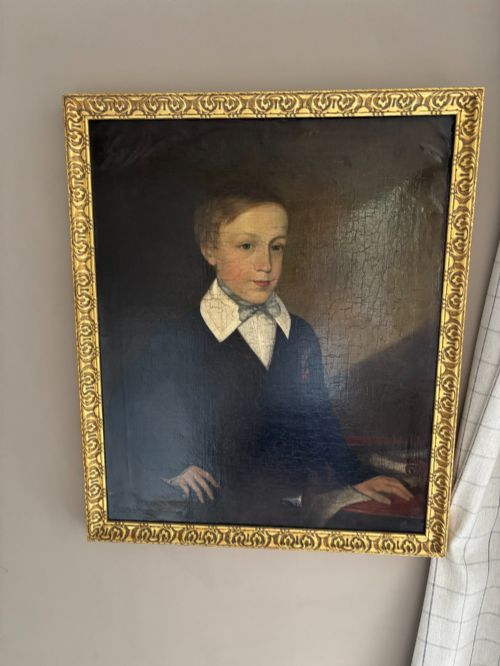
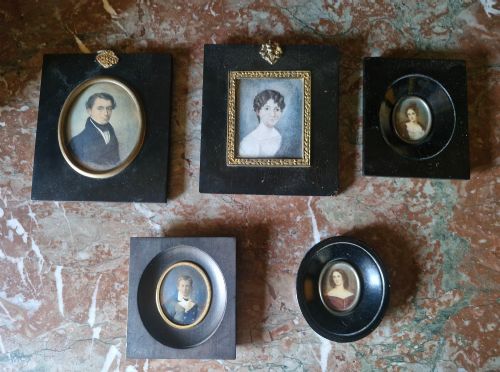
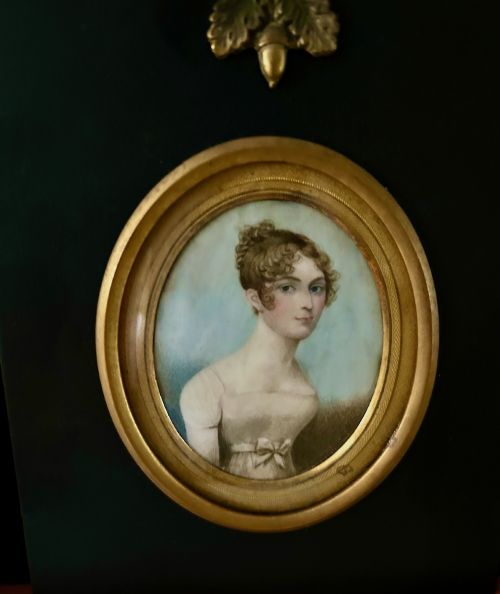
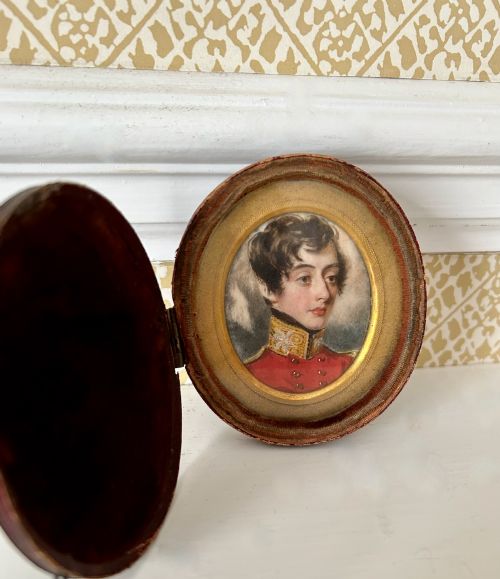
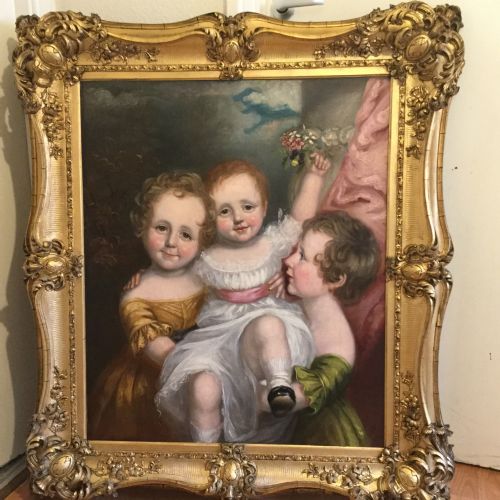
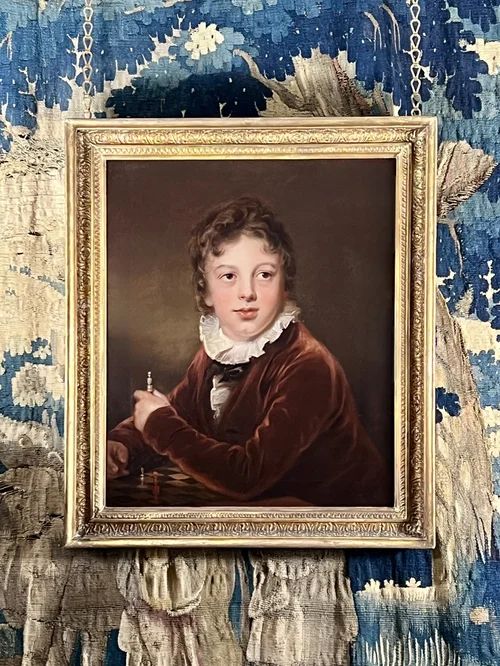
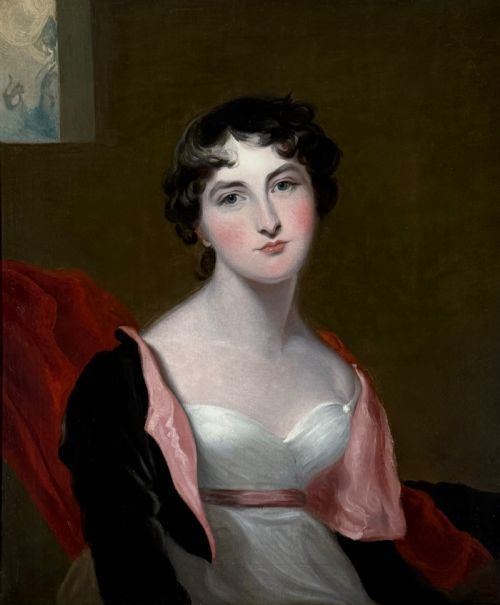
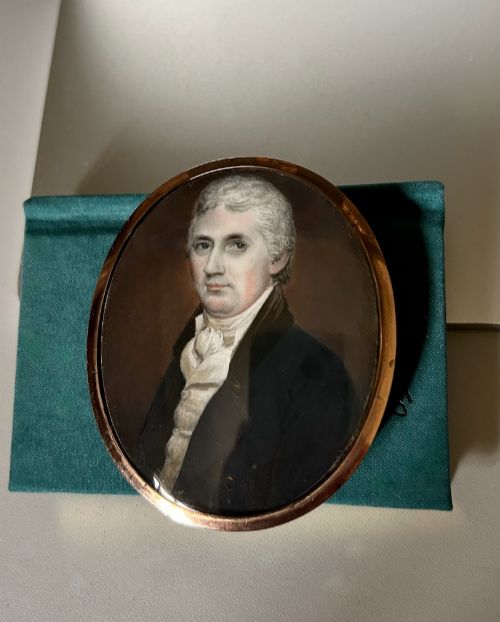
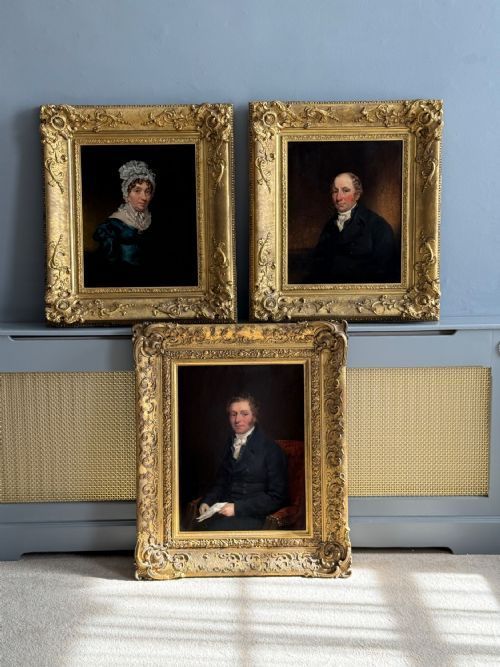
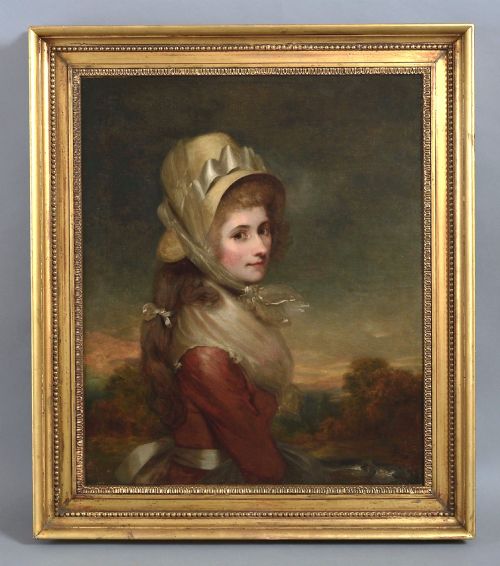
Regency portrait frames enclose small likenesses in oil, silhouette and watercolour that bring intimacy and character to a wall.
Regency Portrait Frames
When you examine regency portrait frames, you find works housing profiles, miniatures and oil paintings from the georgian and nineteenth-century periods. These pieces contain silhouettes cut from paper, enamel likenesses, wax reliefs and watercolours under glass.
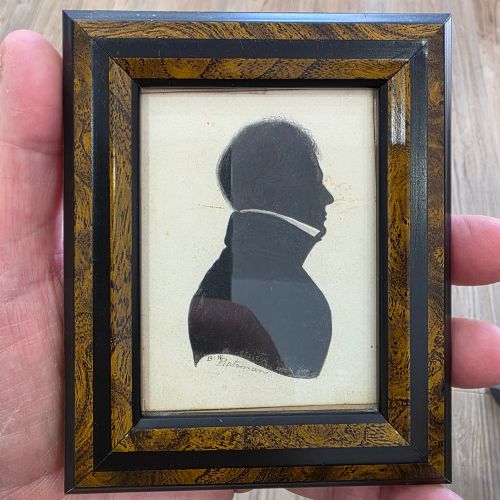
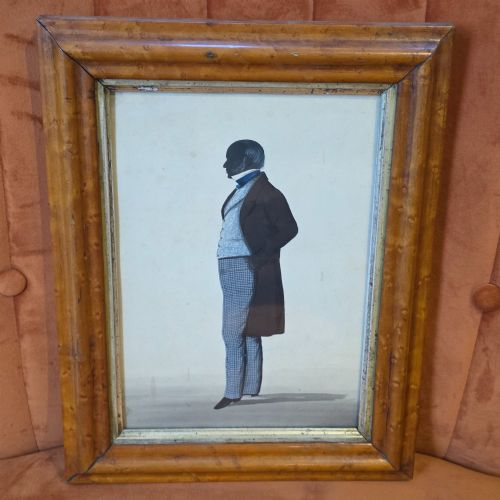
The version most commonly met on this page is the framed silhouette or small painted profile, often finished in simple wood or gilded borders. These objects capture sitters ranging from military officers to children and domestic pets.
Materials and construction
Makers shaped these housings using wood, giltwood and glass to protect fragile media like watercolour, paper and ivory. Artisans applied gold leaf to mouldings and mounted cut silhouettes with delicate ink or wash additions.
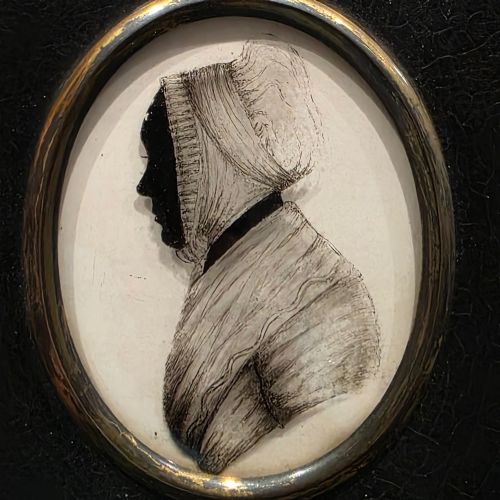
Painters and profile artists worked on panel, canvas, paper and enamel, securing their subjects within compact enclosures designed for domestic display. Reverse painting on glass created crisp outlines for silhouettes set against pale grounds.
Listings feature paper, glass, wood, giltwood, watercolour, gold leaf, oil on canvas and ink.
Judging execution and preservation
The integrity of the housing influences desirability, with original giltwood or rosewood surrounds holding greater harmony than later replacements. The inclusion of documented sitters or signed work elevates the standing of the piece.
William James Hubard·Joseph Clover·Sir Martin Archer Shee·James Sharples·Henry Bone·John Opie·Thomas John Horsley·Horace Hone·Samuel De Wilde·Augustin Edouart·Sir William Beechey·Richard Cosway·John Russell·James Howe
The Regency Portrait Frames Glossary
- Silhouette
- A portrait profile filled in with a solid dark colour, most often cut from black paper or painted on card or glass.
- Miniature
- A small-scale portrait painted on ivory, vellum or card, requiring fine brushwork and intense magnification during creation.
- Giltwood
- Wood carved and coated with gold leaf or gold paint, frequently used for nineteenth-century picture mouldings.
- Reverse painting on glass
- A technique where an image is painted on the back of a glass panel so it is viewed correctly through the front.
- Wax relief
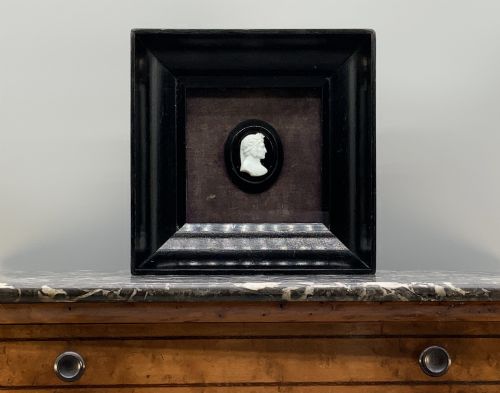
- A three-dimensional portrait modelled in tinted wax, often mounted against a dark background within a shallow glazed box.
Regency Portrait Frames: Frequently Asked Questions
How do I hang small portraits?
Group several small pieces together in a cluster to create a focal point on a wall rather than hanging them singly in large open spaces.
Keep them at eye level in areas with indirect light to protect delicate watercolours and paper silhouettes from fading.
What subjects appear in these frames?
The sitters include military officers, children with pets, gentlemen and ladies from the georgian and nineteenth-century eras.
Artists also depicted actors in character and ordinary family members alongside notable figures of the period.
Are original glass panels important?
Original glass adds authenticity to the piece, often displaying subtle ripples, bubbles or variations characteristic of early manufacturing methods.
Retaining the early glass protects the fragile paper or watercolour underneath from modern environmental contaminants.
How are wax portraits constructed?
Artists modelled profiles in coloured wax to create raised reliefs that caught the light against a contrasting dark backing.
These delicate three-dimensional pieces required deep frames with glass covers to prevent dust accumulation and physical damage.