

Regency Porcelain
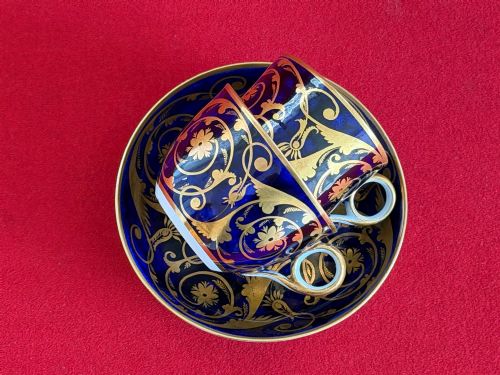
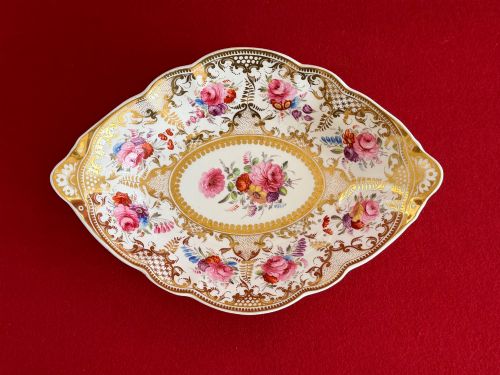
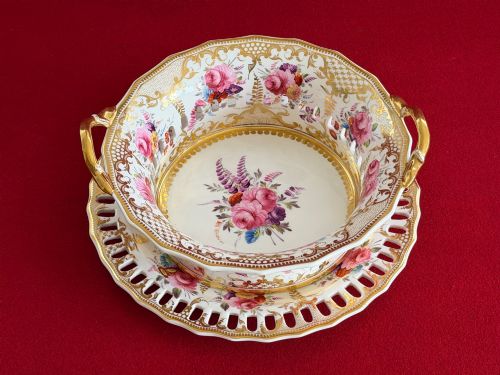
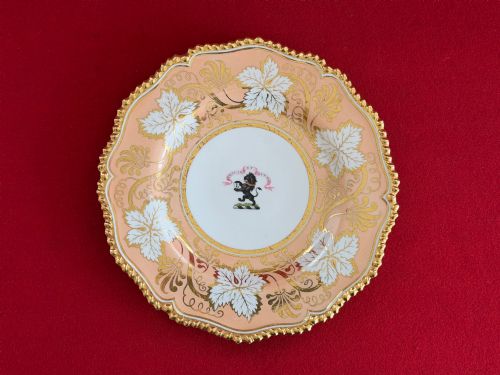
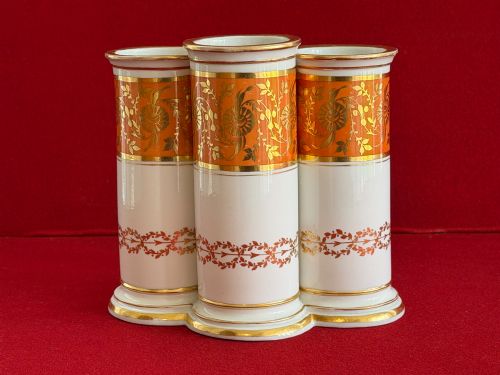
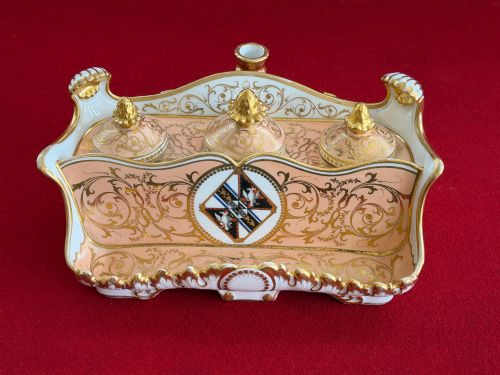
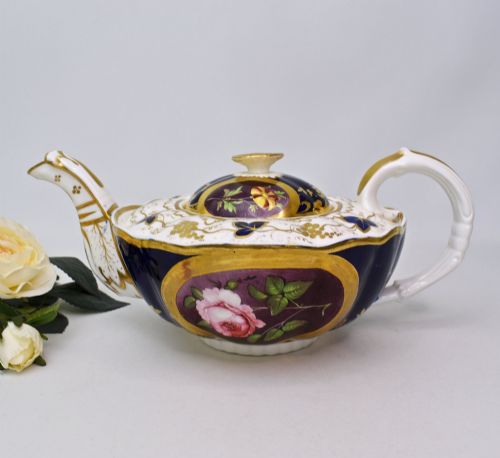
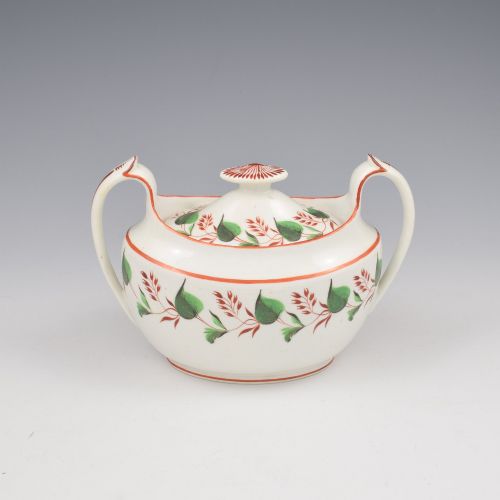
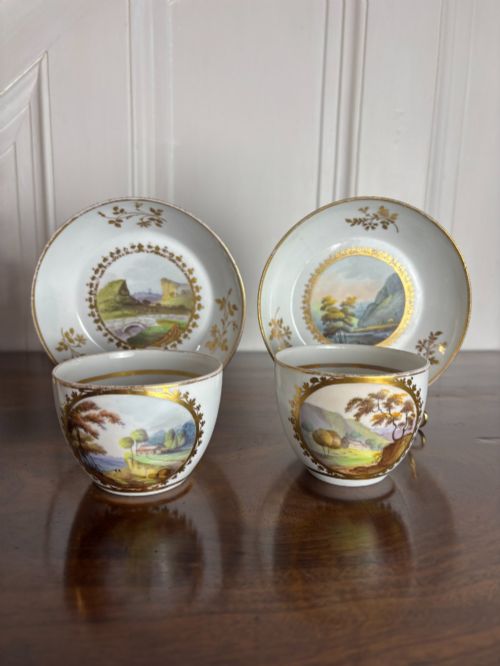
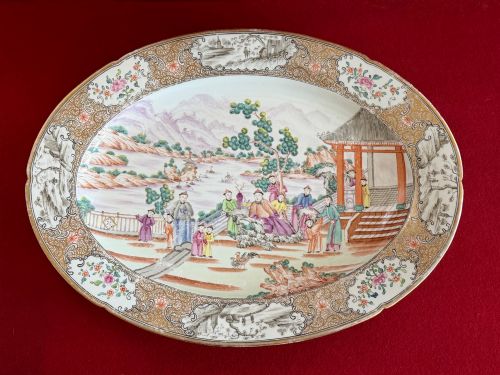
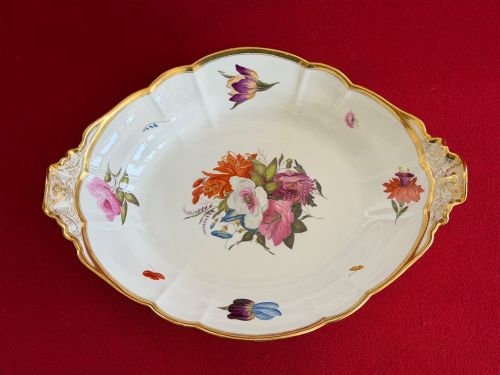
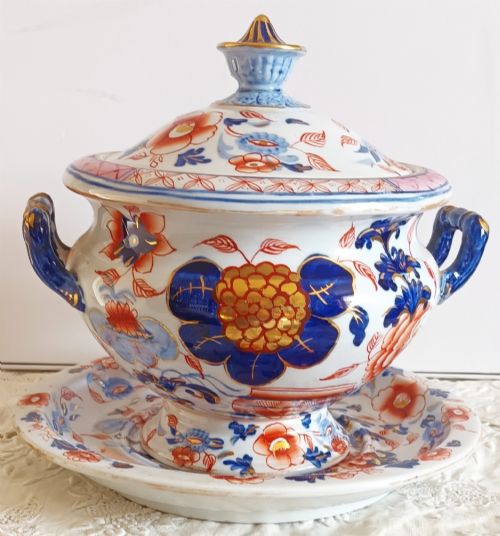
These pieces of regency porcelain bring Neoclassical forms, bright enamels and rich gilding straight to the table or cabinet.
Regency Porcelain
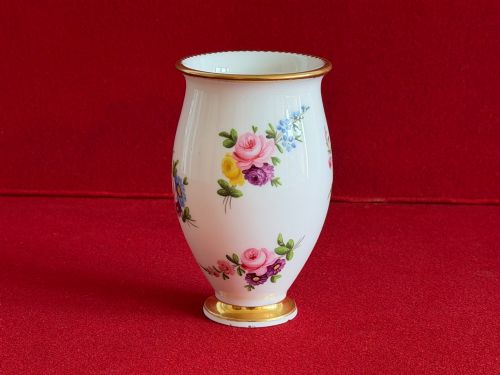
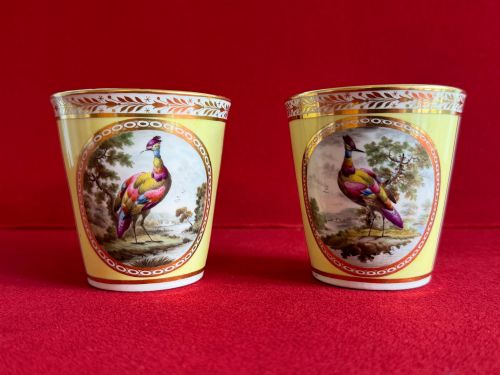
When you search for regency porcelain, you enter a world of decorative ceramics made during the early nineteenth century and the Georgian period. The objects on this page range from tea services and cabinet plates to large garnitures, vases, urns and garden seats.
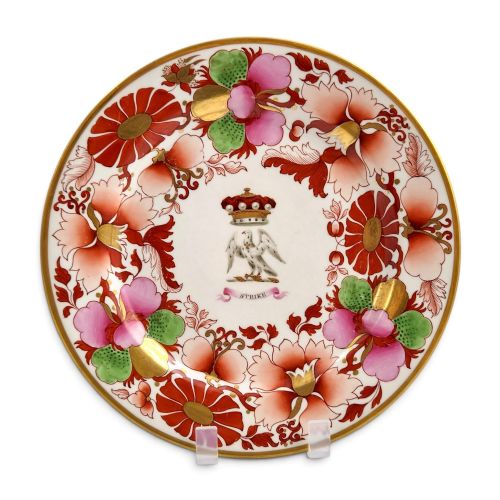
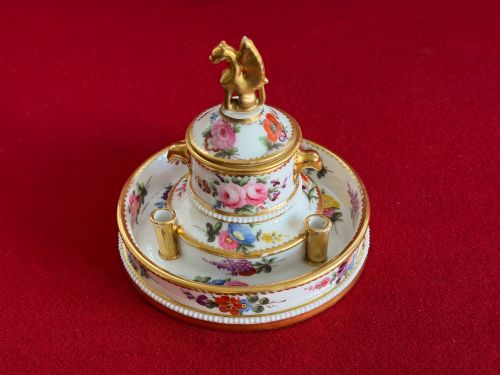
Most items stem from the Regency and Georgian eras, spanning the opening decades of the 1800s up to about 1835 under William IV. They reflect the grand tastes of the period, taking shape as campana vases, armorial dessert plates and delicate inkstands.
Materials and Techniques
Makers shaped these wares using bone china, ironstone and standard porcelain, applying gold leaf, heavy gilding and enamel colours by hand. Artisans built up complex designs with rich ground colours, pink highlights and detailed botanical or armorial painting.
Factories utilised specialised bodies like felspar porcelain alongside traditional pastes to achieve bright white surfaces ready for intricate decoration. Skilled hands applied gold gilding and enamel pigments before firing the ceramic bodies to a durable finish.
Regency Porcelain Retail Price Guide 2026
Typical asking prices for regency porcelain among the pieces listed under this phrase on Sellingantiques today, from the lower quarter to the upper quarter. They describe what is for sale here now, not the wider market.
Current listings feature notable nineteenth-century English factories including Spode, Minton, Nantgarw and Derby alongside Worcester.
Assessing Quality
The standard of a piece rests on the ambition of the hand-painted decoration and the crispness of the porcelain moulding. Named artists and specific factory patterns elevate the standing of items from major makers like Worcester or Spode.
Subtlety in the application of gold leaf and enamel work separates standard domestic wares from exhibition pieces made for armorial services or royal commissions. The weight of the porcelain body and the complexity of the form dictate the upper tiers.
Flight Barr And Barr·John Rose Coalport·William Quaker Pegg·Thomas Steel·H And R Daniel
The Regency Porcelain Glossary
- Armorial
- Bearing a coat of arms or family crest. These plates and dishes were custom ordered for prominent households.
- Campana
- Shaped like a classical bell or garden urn. This prominent silhouette defines many Regency decorative vases.
- Garniture
- A set of three or five matching vases designed to sit together on a mantelpiece or sideboard. They form a balanced decorative display.
- Clobbered
- Decorated over an existing glaze, often with bright colours and gilt added later in the nineteenth century. This technique revitalised older white or blue-and-white ceramics.
Regency Porcelain: Frequently Asked Questions
How do I care for regency porcelain?
Wash these fragile pieces by hand in warm water using mild soap, avoiding harsh scrubbing or dishwashers entirely.
Keep them out of direct sunlight to protect the delicate enamel colours and gold leaf highlights from fading over time.
Were these items used daily?
Many tea cups, saucers and teapots saw regular service in wealthy Regency households during formal morning or afternoon gatherings.
Larger garnitures, cabinet plates and campana vases stayed on display in drawing rooms to signal status and taste.
How do I spot a factory mark?
Look underneath the base for handwritten script, painted pattern numbers or impressed factory stamps specific to the maker.
Unmarked pieces often rely on distinctive clay bodies, potting styles and palette choices to reveal their origin.
What defines the Regency style?
The style draws heavily on classical Greek and Roman motifs, featuring clean lines, urn shapes and restrained Neoclassical ornamentation.
As the decades progress into the 1830s, designs grow bolder with richer ground colours and more exuberant gilding.