




Regency Porcelain Vessel
These regency porcelain vessel examples bring together classic forms and refined painting from the early nineteenth century.
Regency Porcelain Vessel
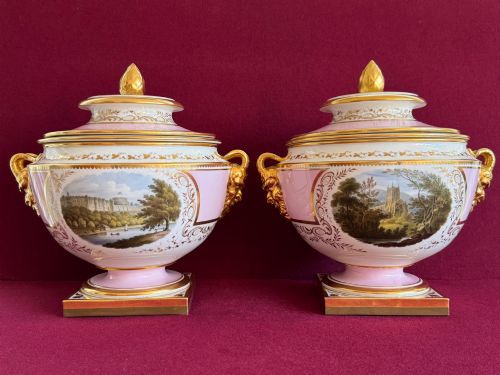
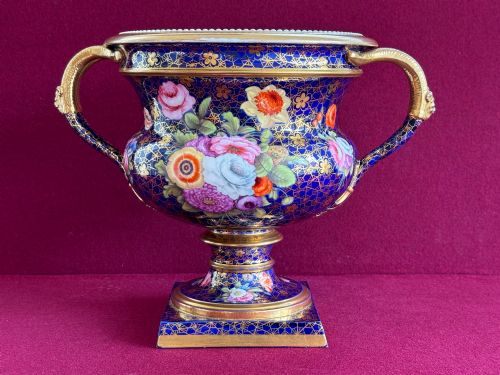
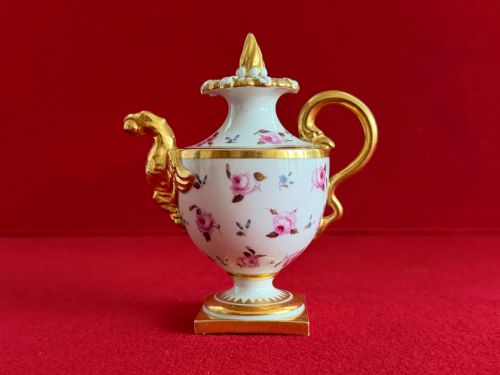
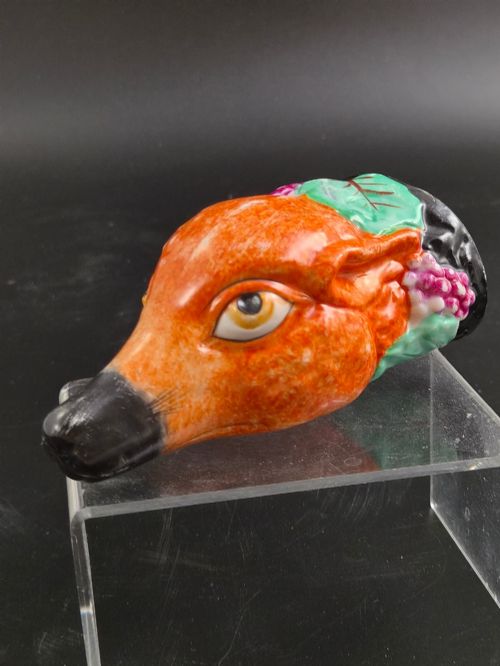
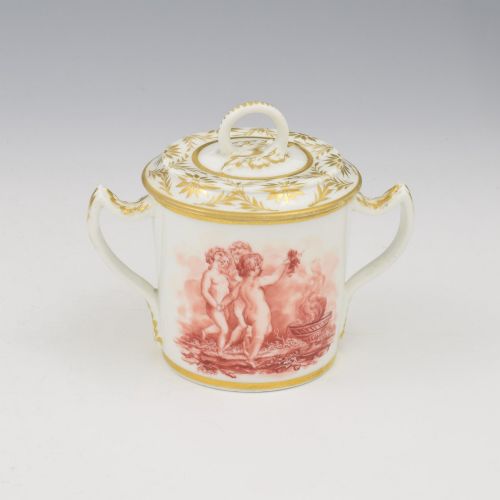
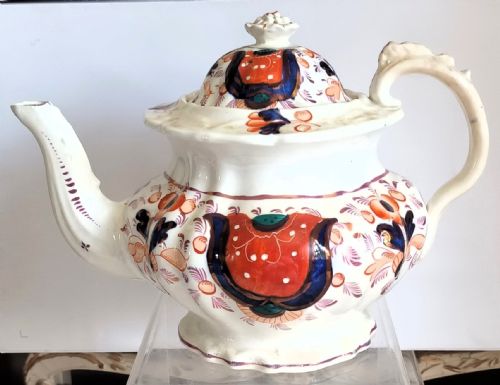
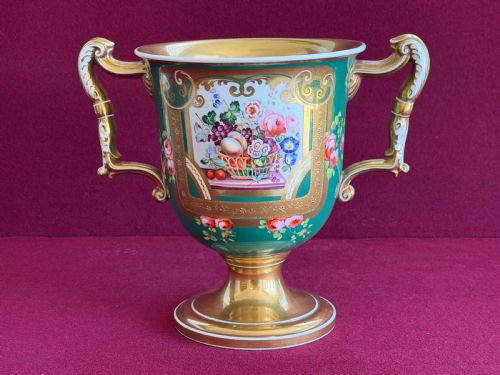
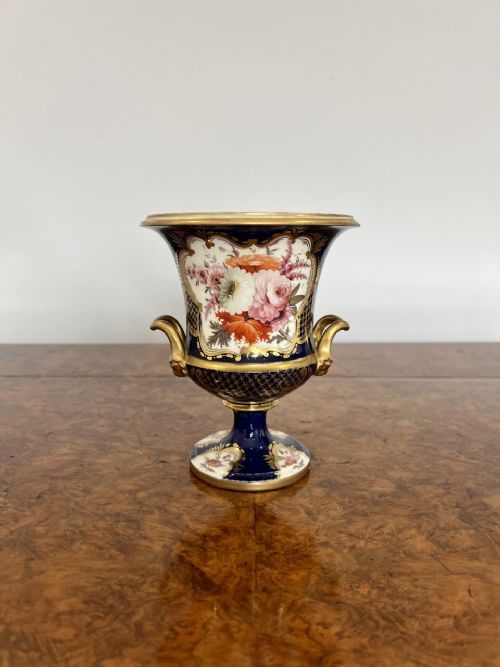
When you search for regency porcelain vessel, you encounter a selection of decorative ceramics, decorative urns, and collectable ceramics dating from the Regency, Georgian, and wider nineteenth century periods. These items include vases, urns, teapots, sugar bowls, loving cups, and stirrup cups created during an era of notable ceramic output.
The objects span practical serving pieces and ornamental items, such as rose water sprinklers, bough pots, pastille burners, and chocolate cups with covers. Most pieces reflect the stylistic preferences of the early eighteen hundreds, originating from English factories and workshops operating during the Georgian and Regency reigns.
Materials and methods
Manufacturers utilised porcelain, felspar porcelain, and earthenware as the primary bodies for these vessels. Potters shaped these materials into campagna urns, footbaths, and specialised cups, applying glazes that created smooth surfaces for subsequent decoration.
Makers embellished the pieces using gold leaf, gilding, gilt, lustre glaze, and hand-applied enamel colours. Skilled decorators painted intricate motifs, such as sepia putti and oriental patterns, often finishing the work with applied gilding.
Regency Porcelain Vessel Retail Price Guide 2026
Typical asking prices for regency porcelain vessel among the pieces listed under this phrase on Sellingantiques today, from the lower quarter to the upper quarter. They describe what is for sale here now, not the wider market.
The selection includes utilitarian tea wares alongside decorative urns, footbaths, and animal-headed stirrup cups.
Assessing quality
Quality in a regency porcelain vessel depends upon the crispness of the moulding and the finesse of the hand-painting applied by named decorators. Superior examples display precise gilding, carefully preserved gold leaf, and well-defined transfer or enamel work.
The reputation of the maker and the complexity of the vessel form, such as a campagna urn or a detailed rose water sprinkler, elevate the standing of an individual piece. Better pots retain their original covers and show deliberate attention to interior and exterior finishing.
Flight Barr And Barr·Royal Staffordshire·Bloor Derby·Spode·H And R Daniel·Coalport·Heathcote·Chamberlain Worcester
The Regency Porcelain Vessel Glossary
- Campagna urn
- A bell-shaped decorative vessel with a pedestal foot, popular during the Regency period for ornamental display. These pieces often feature classical profiles and handles.
- Felspar porcelain
- A refined ceramic body introduced in the nineteenth century, incorporating felspar to achieve a whiter, more durable paste. Spode utilised this material for various tea wares and ornamental vessels.
- Pastille burner
- A small ceramic container designed to diffuse scented smoke from burning pastilles. They typically feature pierced covers to allow fragrance to escape.
- Sucrier
- A covered sugar bowl used in tea service sets. These vessels match the tea and chocolate cups of the period.
- Stirrup cup
- A specialised drinking vessel shaped like an animal head, such as a fox, traditionally handed to riders before a hunt. Staffordshire and other English factories produced these in porcelain and earthenware.
Regency Porcelain Vessel: Frequently Asked Questions
What is a regency porcelain vessel used for?
Many of these pieces served specific decorative or social functions in the early nineteenth-century home. Items like bough pots held indoor plants, while rose water sprinklers freshened rooms.
Other vessels, such as chocolate cups and teapots, formed part of dining and beverage services. Larger urns and vases were primarily ornamental displays for mantelpieces and side tables.
How do I identify a Regency period piece?
Regency ceramics typically date between eighteen eleven and eighteen twenty, though styles overlap with the broader Georgian era. Look for classical architectural influences, campagna shapes, and specific floral or figural enamel painting.
Many factories marked their output with painted or impressed ciphers, though unsigned pieces rely on stylistic comparison with documented works by makers like Spode or Worcester.
Where were these ceramics made?
The majority of these vessels originated in English pottery and porcelain manufacturing centres. Worcester, Staffordshire, and Derby housed the primary workshops and factories producing fine wares during this time.
Each region developed distinct specialities, from the refined gilding of Worcester to the robust earthenware and porcelain figures of Staffordshire.
How should I care for antique porcelain?
Display these vessels away from direct sunlight to protect the enamel colours and gold leaf highlights. Dust them gently with a soft, dry brush rather than using liquid cleaners.
Handle covered pieces, such as chocolate cups and bough pots, by supporting the base rather than lifting them by the lid or delicate handles.