






Regency Planter
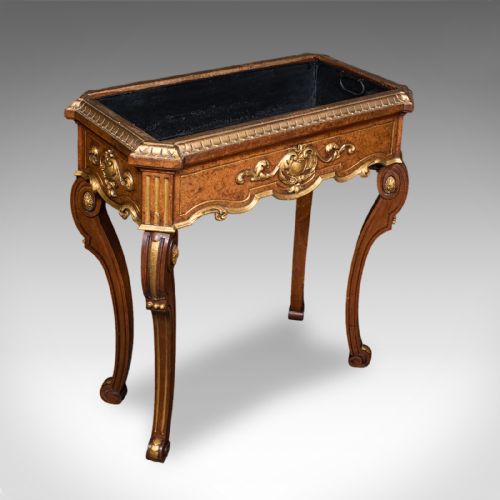
A regency planter brings classical form indoors, housing greenery in vessels of turned mahogany, bright brass, and painted cast iron.
Regency Planter
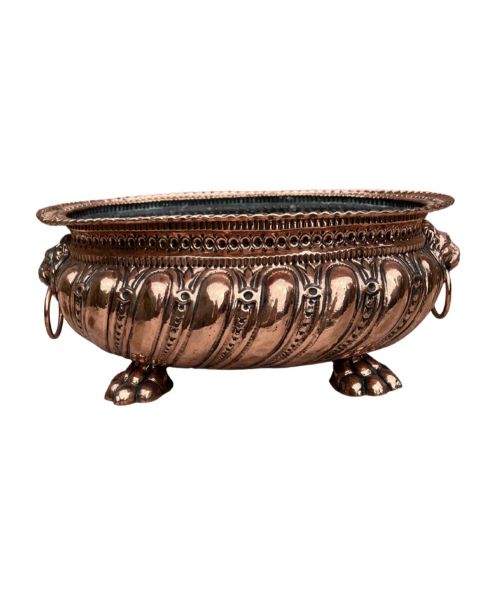
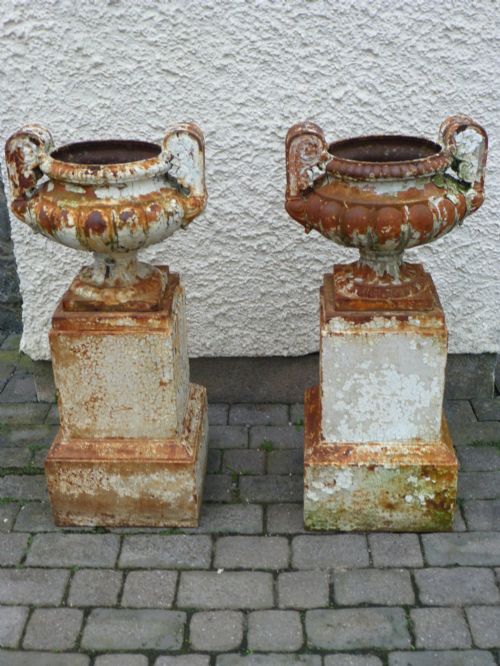
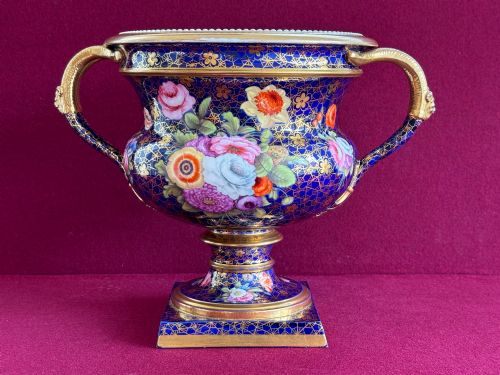
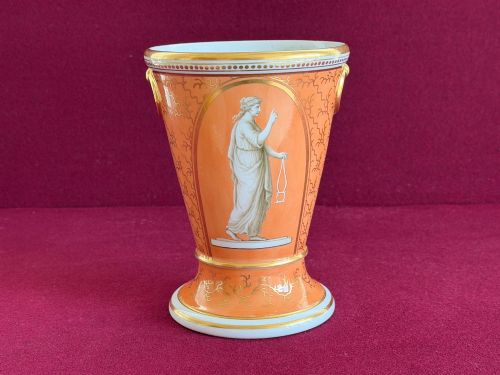
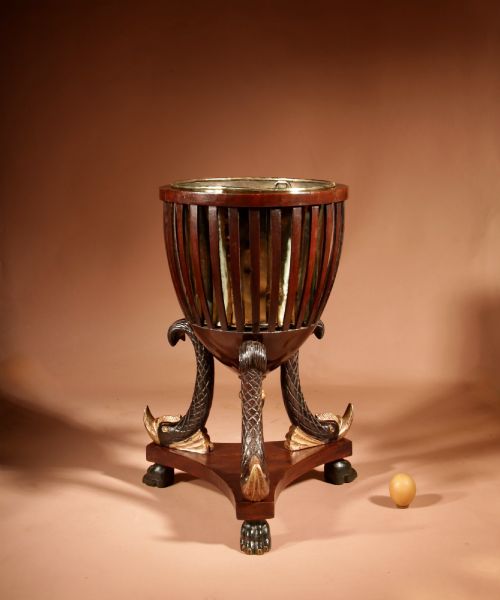
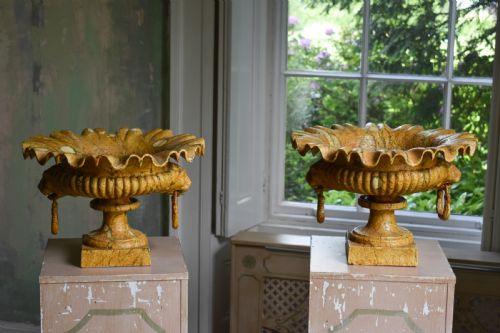
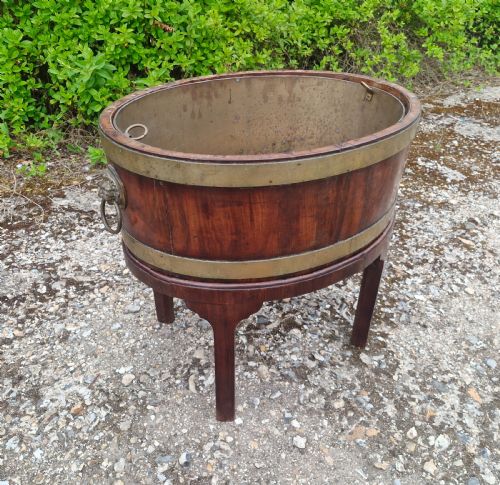
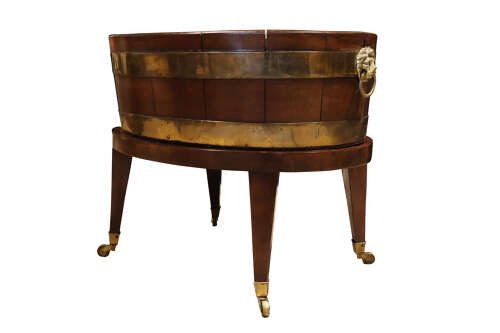
When you search for a regency planter, you encounter vessels and stands created to hold indoor plants, flowers, or even bottles during formal dining. These pieces take the form of coopered mahogany buckets, classical urns, and porcelain jardinieres originating from the nineteenth century.
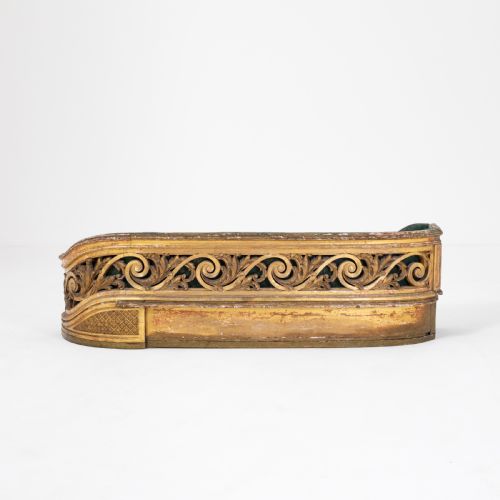
The versions most common on this page span the Regency, Georgian, and wider nineteenth-century periods, often rendered in rich timber with metal liners or cast in iron and plaster. Many pieces blur the boundary between plant stands, wine coolers, and cache pots due to their overlapping forms.
How they were made
Joiners constructed timber examples using coopered mahogany or walnut staves bound with polished brass bands, ensuring watertight integrity for live planting. Other workshops turned to cast iron, giltwood, and porcelain, shaping classical motifs through moulding and hand-carving.
Makers utilised zinc and metal liners to protect the wooden structures from moisture, while decorative surfaces often received paint, faux marble finishes, or delicate transfer printing in blue and white.
Regency Planter Retail Price Guide 2026
Typical asking prices for regency planter among the pieces listed under this phrase on Sellingantiques today, from the lower quarter to the upper quarter. They describe what is for sale here now, not the wider market.
The selection encompasses forms designed for multiple domestic duties, including wine coolers, footbaths, cache pots, and tea stoves.
What varies in quality
The distinction between standard examples and superior pieces rests on the crispness of carved details, such as acanthus leaves on urns or the precision of brass banding on coopered buckets. Original liners and matching plinths elevate a piece considerably.
Material selection and proportion dictate overall success, with finely grained timbers, heavy cast metals, and hand-painted porcelain holding greater presence than simpler utility items.
The Regency Planter Glossary
- Jardiniere
- An ornamental pot or stand for holding plants or flowers. These vessels appear in porcelain, metal, and carved timber.
- Cellarette
- A lockable container used for holding bottles of wine, frequently adapted or built in forms identical to plant buckets. They share the same coopered construction and brass binding.
- Cache pot
- An ornamental flowerpot used to conceal a plain inner pot. They often sit on matching ceramic or wooden stands.
- Coopered
- Made by assembling curved wooden staves held together by metal hoops, much like a barrel. This technique ensured timber vessels remained tight when filled with damp soil.
- Campana form
- Shaped like an inverted bell with a flaring rim and footed base. This classical silhouette dominates neoclassical urns and planters.
Regency Planter: Frequently Asked Questions
What is a regency planter used for?
These pieces served primarily to bring outdoor greenery inside grand rooms, holding potted plants or flowering displays on tables and stands.
They were also adapted during social gatherings to chill wine or hold coal and peat by the fireside.
How do I care for antique timber planters?
Protect the wood by ensuring any live planting sits inside a secure, removable waterproof liner rather than directly against the historic timber.
Apply occasional wax polish to maintain the finish and keep the brass bands clean with a dry cloth.
Are these planters watertight?
Most wooden examples rely on fitted metal or zinc liners to contain moisture and protect the coopered staves from rotting.
Ceramic and cast iron versions hold water naturally, though hairline fractures in older porcelain require careful checking.
How can I tell a genuine nineteenth-century piece?
Examine the construction methods, such as hand-cut dovetails, genuine coopered staves, and period-appropriate patination on the brass and timber.
Maker marks on porcelain bases or foundry stamps on iron work provide clear indicators of period origin.