
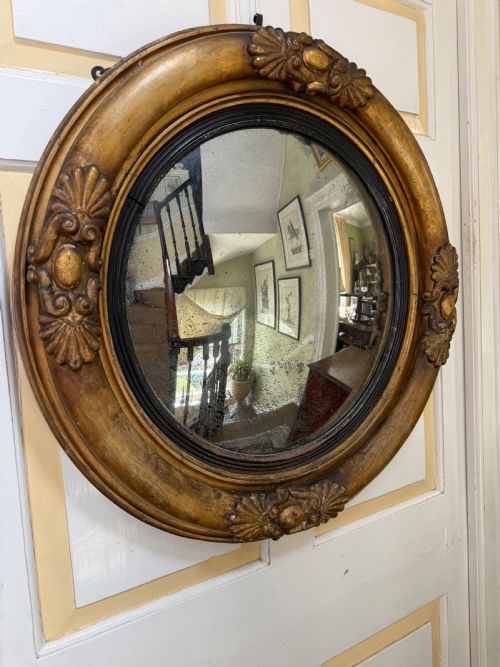


Regency Period Wall Glass
A regency period wall glass brings light and architectural proportion to a room, framed in giltwood, rosewood or mahogany.
Regency Period Wall Glass
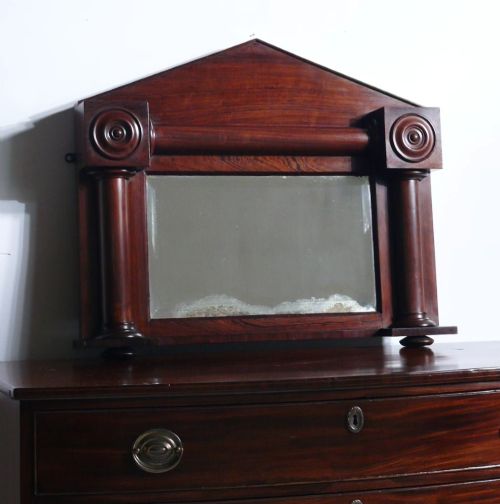
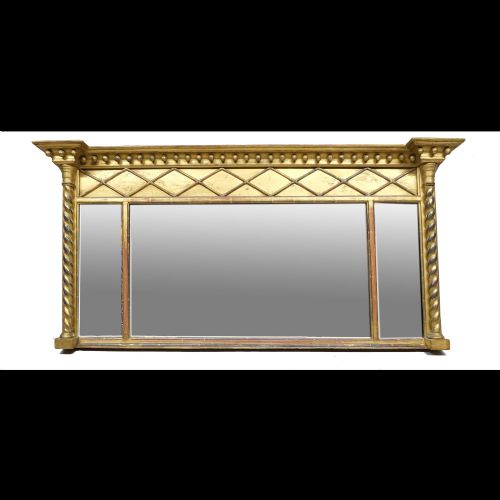
When you search for a regency period wall glass, you encounter substantial overmantel mirrors, tall pier mirrors, and smaller hanging wall glasses dating across the early nineteenth century. These pieces originate from the Regency, George IV, and French Empire styles, alongside broader nineteenth-century expressions.
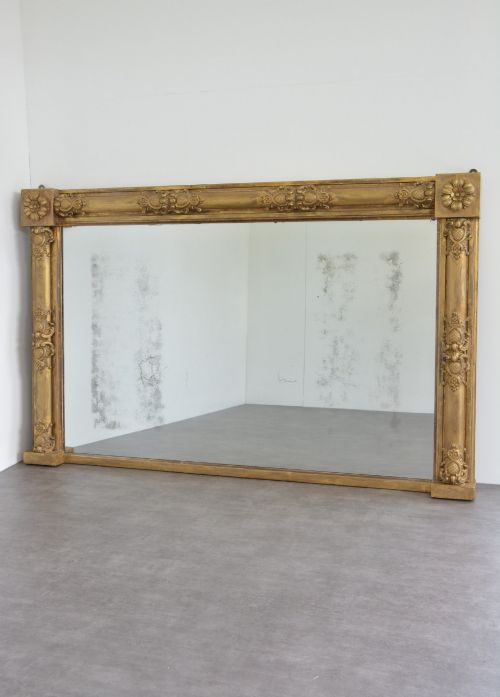
You are most likely to meet rectangular giltwood overmantel mirrors designed to sit above a fireplace, often featuring foxed or mercury glass plates. Pier mirrors of neat or larger scale also appear frequently, built to hang on the wall between windows or above side tables.
The materials span traditional giltwood and gesso, warm mahogany, rich rosewood, ebonised wood, and walnut. Alongside timber and mirror glass, composition ornaments typically enrich the gilt frames of the period.
How they were made
Makers constructed these frames using timber carcases of mahogany, rosewood, walnut, or softwood prepared for gilding. Giltwood and gesso pieces received layers of gesso built up upon the wood before applying gold leaf.
Ornaments and decorative mouldings were frequently pressed in composition material and applied to the frames. Glass plates were silvered using traditional methods such as mercury, resulting in the distinctive foxing seen today.
What varies in quality
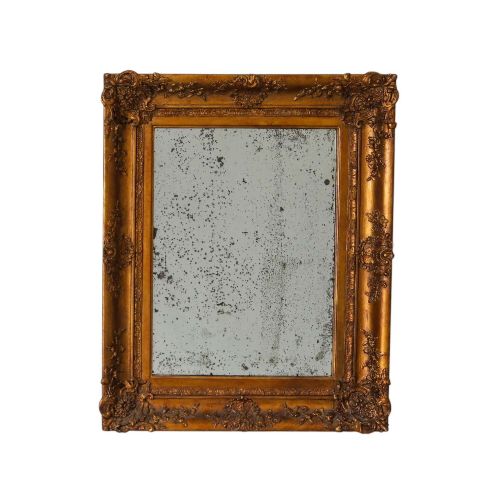
The distinction between standard and superior pieces rests on the crispness of the carved or moulded frame details and the depth of the gilding. Original mercury glass plates with natural foxing retain greater character than later replacement glass.
Timber selection and cabinetwork integrity define the better mahogany and rosewood examples, where figured grain and secure joints remain intact. The balance of proportions, particularly on larger overmantels and convex plate mirrors, dictates visual presence.
The Regency Period Wall Glass Glossary
- Overmantel mirror
- A large horizontal mirror designed specifically to hang above a fireplace mantelpiece. These pieces often anchor the decorative scheme of a principal reception room.
- Pier mirror
- A vertical mirror made to hang on the narrow pier of wall between two windows. They frequently match the height of surrounding architectural joinery.
- Giltwood
- Timber carved and covered with thin gold leaf applied over a prepared gesso ground. It reflects candlelight and natural daylight efficiently.
- Foxed plate
- Mirror glass showing aged spots and discoloration where the reflective backing has oxidized over time. Collectors prize this natural degradation for its atmospheric depth.
- Composition
- A mouldable mixture of whiting, resin, glue, and linseed oil pressed into decorative reliefs for frames. It allowed intricate ornament during the early nineteenth century.
Regency Period Wall Glass: Frequently Asked Questions
Where should a regency period wall glass hang?
These mirrors suit placement above a fireplace or mounted on a principal wall to reflect light across a room. Overmantel formats anchor the hearth, while smaller hanging glasses suit narrower spaces.
Ensure the wall construction safely supports the substantial weight of timber and glass frames.
How do I care for antique mirror glass?
Clean the glass surface gently with a soft cloth and avoid chemical sprays that might seep behind the plate. Protect the surrounding giltwood or polished timber from moisture.
Keep the mirrors away from direct, strong sunlight to preserve the finish of the wood and the integrity of the original backing.
Are these mirrors original to the period?
The listings include pieces dating from the Regency and George IV eras, alongside nineteenth-century interpretations of the style. Construction details and materials help distinguish the period manufacture.
Checking the fixings, frame construction, and glass characteristics reveals the age and history of each individual piece.
What is convex plate glass?
Convex plate glass curves outward, capturing a wide, distorted reflection of the entire interior in a single circular frame. These convex mirrors were popular during the early nineteenth century for functional and decorative effect.
Their curved surface distributes light differently from flat mirror plates, brightening dim corners.