



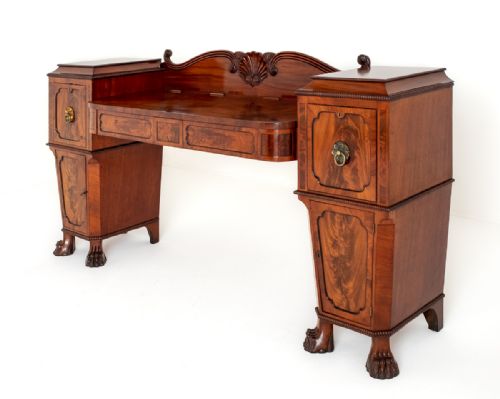


Regency Period Server Table
These regency period server table pieces combine solid mahogany timbers and elegant brass details to anchor dining rooms with genuine period presence.
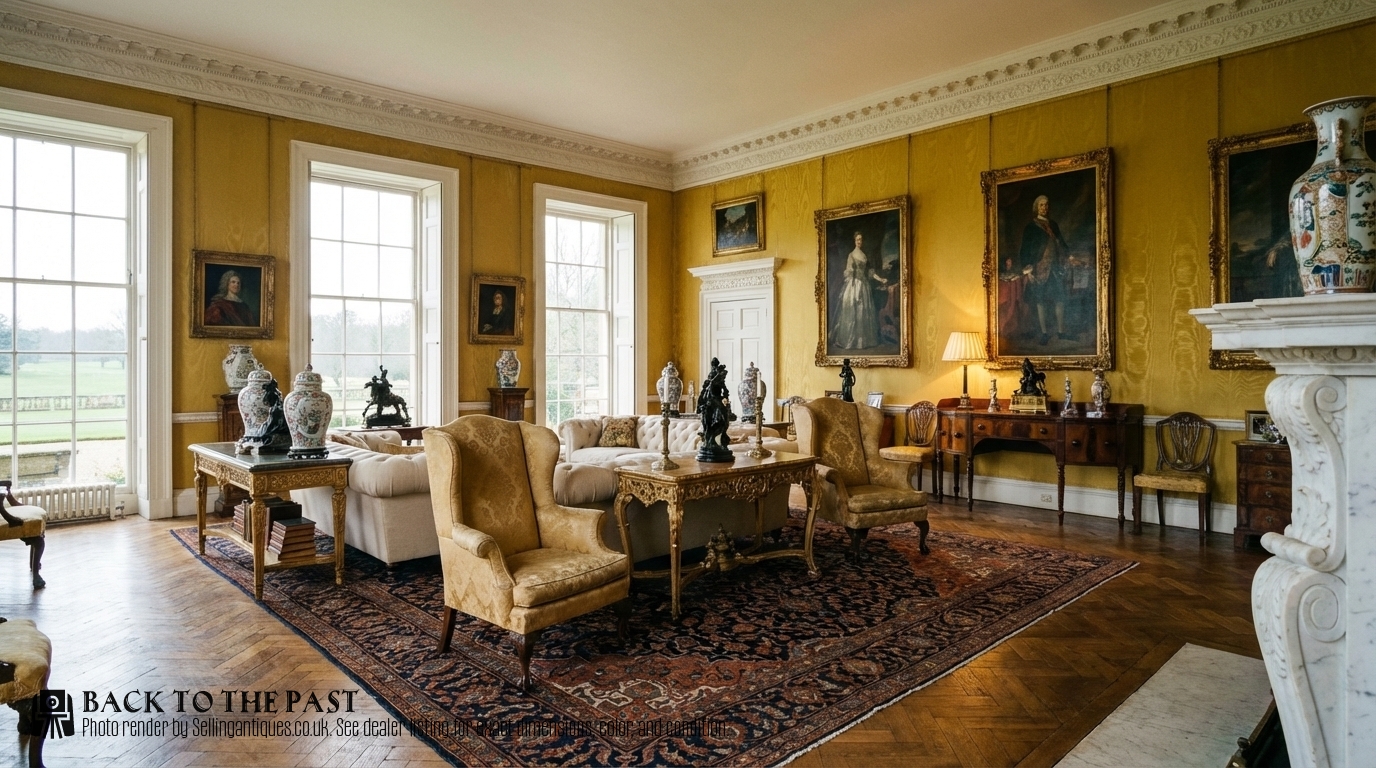
Regency Period Server Table
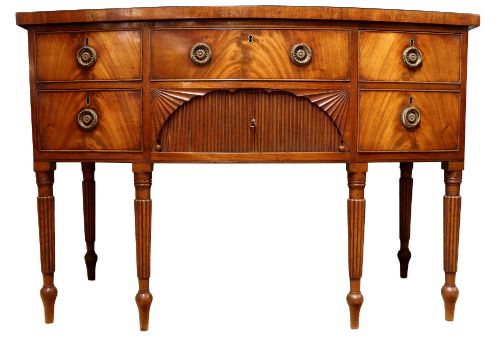
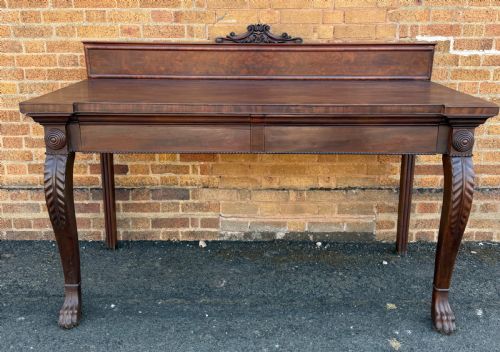
A regency period server table represents the refined dining room furniture of the early nineteenth century, encompassing sideboards, buffets, and console tables designed for display and service. You will frequently encounter bow fronted forms, three-tier formats, and pieces finished in figured timbers during your search.
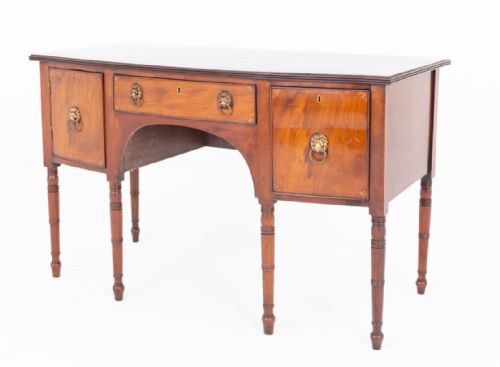
The listings span the Regency, Georgian, and William IV eras, capturing a period when cabinet makers focused on clean lines and rich wood grains. Pieces range from simple three drawer side tables to imposing Irish server tables of bold design.
Originating predominantly from British and Irish workshops, these servers served practical functions in large houses while showcasing the joinery skills of the era. A buyer can expect to find configurations featuring brass galleries, satinwood stringing, and elaborate proportions.
Materials and construction
Makers relied heavily on solid mahogany and flame mahogany veneer, selecting boards for deep grain patterns and rich natural warmth. These primary timbers were frequently accented with contrasting boxwood and ebony inlay to define the edges and drawer fronts.
Brass fittings, including gallery rails and delicate drawer handles, were cast and polished to provide a sharp metallic contrast against the dark wood. Joinery followed traditional cabinet making methods, with dovetailed drawers and sturdy framing ensuring long term stability.
Regency Period Server Table Retail Price Guide 2026
Typical asking prices for regency period server table among the pieces listed under this phrase on Sellingantiques today, from the lower quarter to the upper quarter. They describe what is for sale here now, not the wider market.
Some three-tier buffets feature clever display stands designed specifically to show off the family's finest silver during dinner parties.
Assessing quality and execution
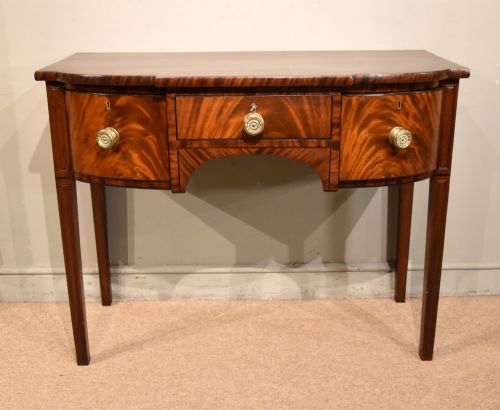
The distinction between standard examples and superior pieces rests on the choice of timber and the precision of the veneer work. Flame mahogany veneers matched symmetrically across a bow front indicate a higher tier of craftsmanship than plain or mismatched boards.
Proportion and scale also dictate the standing of a server, with bolder designs and integrated brass galleries commanding greater visual weight. Attribution to known makers like Gillows or Mack Williams and Gibton elevates an example through documented pedigree and refined detailing.
Gillows·Mack Williams and Gibton
The Regency Period Server Table Glossary
- Bow front
- A convex curved cabinet front that projects outward from the centre, popular during the Regency period for softening room angles. This shape required skilled veneer work to follow the curve smoothly.
- Flame mahogany
- A veneer cut from the branch junction of the mahogany tree, producing a distinctive flickering flame pattern. Cabinet makers used this figure on prominent drawer fronts and doors.
- Brass gallery
- A low decorative metal rail mounted to the top surface of a sideboard or server, designed to prevent items from sliding off. These fixtures add both vertical interest and utility to the piece.
- Satinwood
- A pale, hard exotic timber utilised for contrasting inlay, stringing, and crossbanding on darker mahogany furniture. Its golden tone brightens the overall appearance of a server.
- Buffet
- A tiered piece of dining furniture used for holding food and display items during service. The multi-shelf format provides open display space distinct from enclosed cupboards.
Regency Period Server Table: Frequently Asked Questions
What is a regency period server table used for?
These tables functioned primarily in dining rooms for serving food, holding dishes, and displaying silver or glassware during formal meals.
Today, they serve similar practical purposes in modern homes while functioning as statement console tables in hallways or living spaces.
How do I identify a genuine Regency server?
Look for authentic period characteristics such as flame mahogany veneers, boxwood stringing, brass gallery rails, and traditional hand-cut dovetail joinery.
Consider the overall proportions, timber patination, and stylistic cues associated with the early nineteenth century and George IV reigns.
Are Irish servers different from English ones?
Irish servers from this era often display bolder designs, imposing scale, and heavier proportions compared to their more restrained English counterparts.
Regional workshops utilised similar mahogany timbers but applied unique decorative flourishes that distinguish them to the practiced eye.
How do I care for a mahogany server?
Maintain the wood by keeping it away from direct sunlight and extreme temperature fluctuations to prevent the veneer from drying out or splitting.
Apply natural beeswax periodically to nourish the surface, buffing gently to preserve the historic patina and deep reddish-brown colour.