



Regency Period Music Rack
A regency period music rack brings refined timber and brass detail to a room, offering a dedicated stand for scores and folios.
Regency Period Music Rack
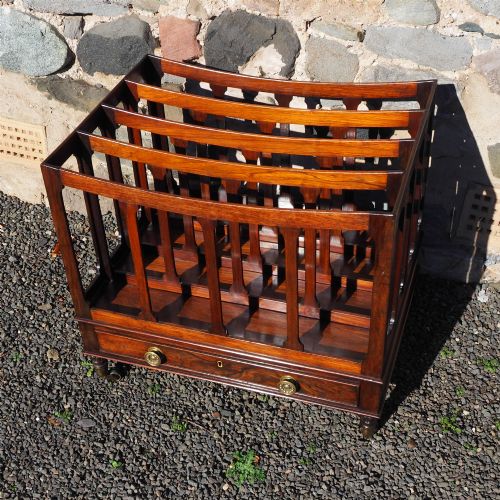
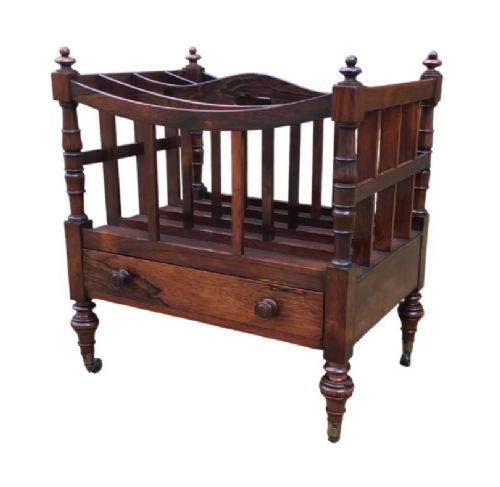
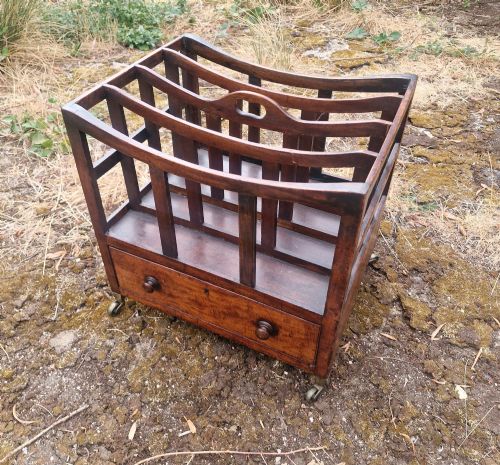
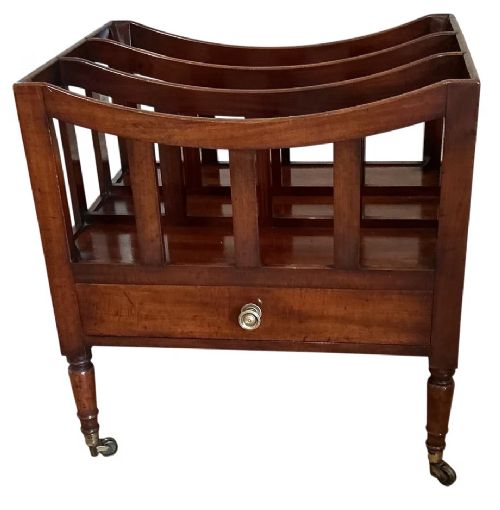
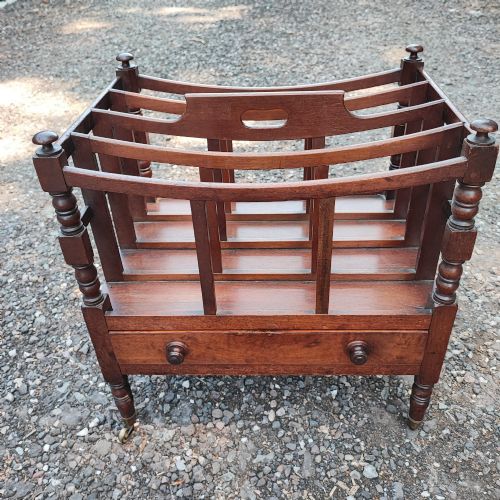
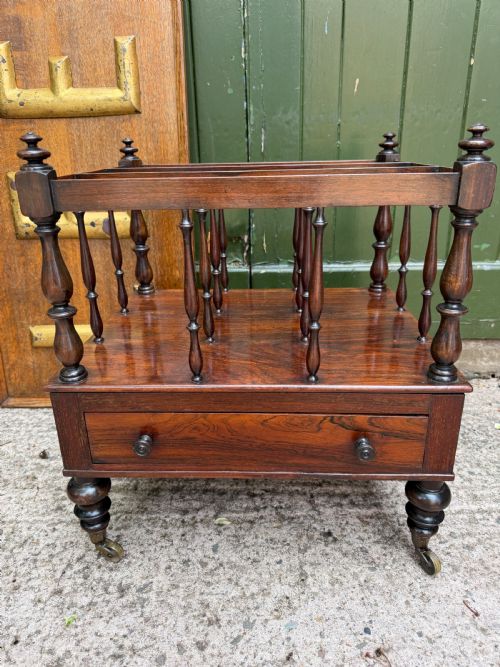
A regency period music rack encompasses low freestanding stands and canterburys designed to hold folios, sheets and magazines. These forms serve as practical book storage while anchoring a room with period proportion.
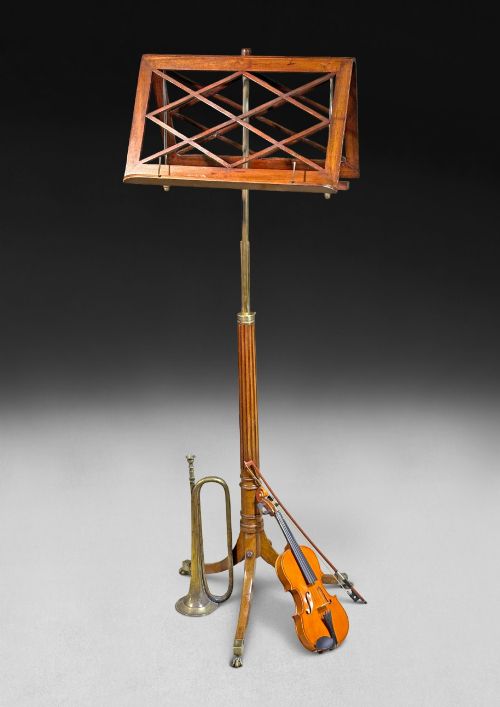
The items seen on this page appear mainly as canterburys, magazine tables, and duet music stands spanning the Georgian, Regency, and William IV eras. Mahogany and rosewood form the core of these practical furnishings.
What varies in quality
The calibre of a piece depends on the choice of timber figure, such as richly grained rosewood or figured mahogany, and the crispness of any turned or carved elements. Subtleties in brass mounts and inlay work also distinguish finer examples.
Proportion and structural integrity separate standard utility pieces from grander cabinet work, particularly in double-size formats or boat-shaped designs.
Regency Period Music Rack Retail Price Guide 2026
Typical asking prices for regency period music rack among the pieces listed under this phrase on Sellingantiques today, from the lower quarter to the upper quarter. They describe what is for sale here now, not the wider market.
The listings here feature mahogany and rosewood most frequently, alongside rarer examples in burr walnut and painted wood.
Gillows
The Regency Period Music Rack Glossary
- Canterbury
- A low stand with partitioned sections for holding sheet music, newspapers or magazines, typically featuring legs with castors. This form originated in the late eighteenth century and remained popular through the Victorian era.
- Regency
- An English design period spanning the early nineteenth century, characterised by classical restraint, architectural lines, and classical revival motifs. Pieces from this era often incorporate dark woods and brass accents.
- Etagere
- A set of open shelves for displaying small objects or holding books, sometimes combined with a Canterbury base. These freestanding pieces add vertical interest to a room.
- Duet music stand
- A specialised stand designed to hold two open books or scores simultaneously for shared playing. These stands feature adjustable mechanisms or wider ledges than standard single rests.
Regency Period Music Rack: Frequently Asked Questions
What is a Canterbury used for?
A Canterbury serves as a low, partitioned stand for holding sheet music, folios, and periodicals near a piano or seating area. The slatted sections keep papers upright and accessible.
Over time, these versatile stands also found use as general magazine and newspaper racks in sitting rooms and libraries.
What is the difference between a music stand and a Canterbury?
A music stand provides an elevated, often adjustable ledge for supporting an open score during performance. It focuses on holding active reading material at eye level.
A Canterbury sits low to the floor with upright partitions specifically designed to store multiple books and folios when not in use.
Where should I place a music rack in my home?
These racks suit music rooms, studies, and sitting rooms where books or scores require neat storage close at hand. Their compact footprint allows them to sit beside desks, pianos, or armchairs.
Keeping them away from direct heat sources helps protect the polished rosewood or mahogany surfaces.