



Regency Miniature Picture
A regency miniature picture captures the intimate scale and precision of nineteenth-century portraiture, offering a direct window into the faces of the past.
Regency Miniature Picture
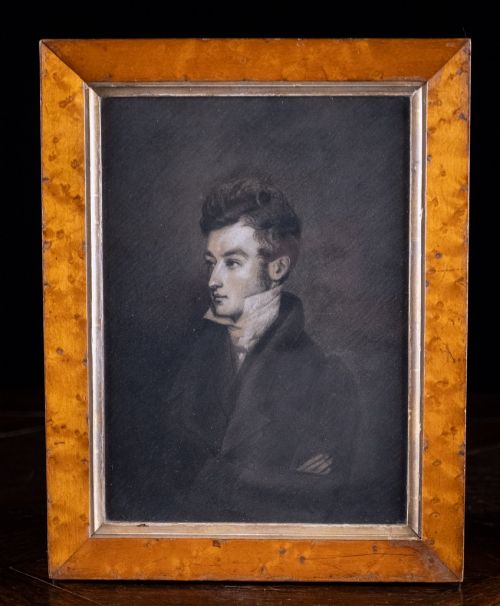
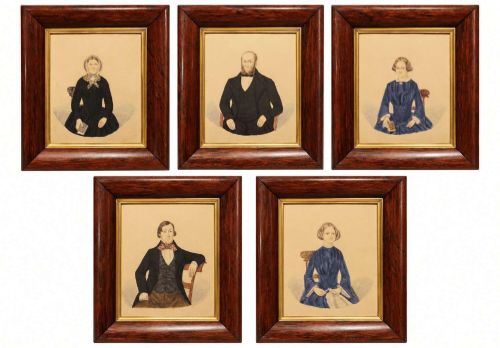
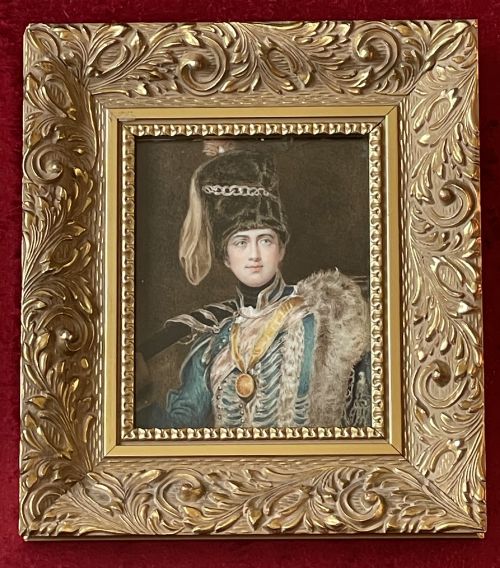
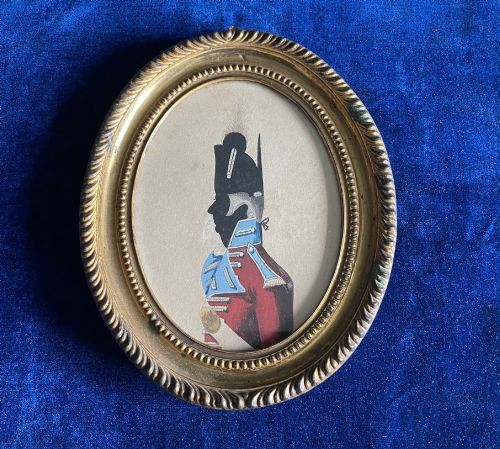
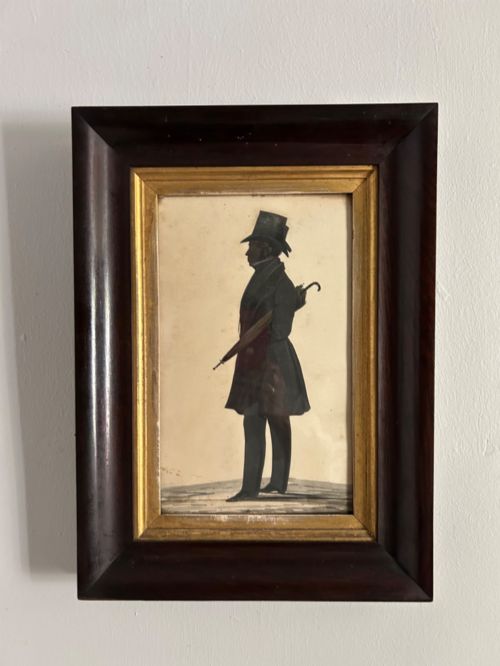
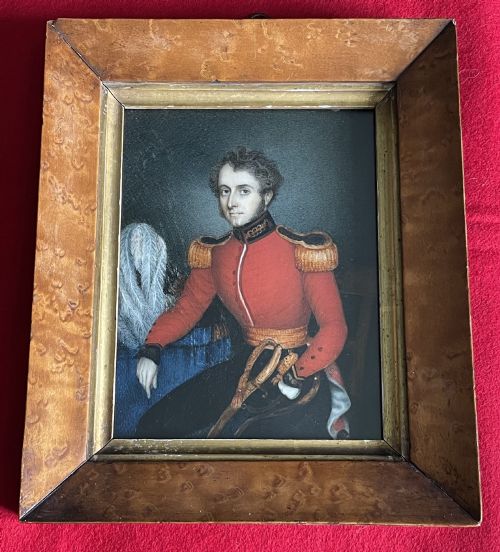
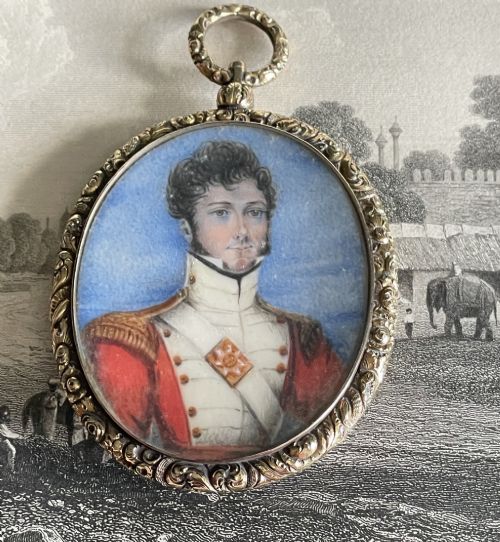
A regency miniature picture encompasses delicate silhouettes, watercolour sketches, and painted portraits originating primarily from the nineteenth century, Georgian, and Regency eras. These works range from framed artwork and wall art to miniature portraits and silhouette portraits housed in compact settings.
Buyers frequently encounter cut paper silhouettes heightened with gold, alongside finely detailed watercolour and pencil studies of gentlemen, ladies, and children. Many of these pieces retain their original rosewood frames, brass fittings, or giltwood surrounds, preserving their period aesthetic.
The selection reflects both British and Anglo-Indian subjects, capturing military officers, children, and nobility in intimate profile. Such works offer a tangible connection to the portraiture traditions popular during the reigns of George III, George IV, and William IV.
Materials and Techniques
Frames and supports played an essential role in the presentation of these small works, incorporating giltwood, brass, glass, and rosewood. Enamel plaques and metal stands also appeared, providing robust housings for delicate painted surfaces.
Regency Miniature Picture Retail Price Guide 2026
Typical asking prices for regency miniature picture among the pieces listed under this phrase on Sellingantiques today, from the lower quarter to the upper quarter. They describe what is for sale here now, not the wider market.
At least one regency miniature picture preserves the likeness of a dog rather than a human sitter.
Distinctions in Quality
The sophistication of the draughtsmanship and the subtlety of the brushwork separate standard examples from finer works. Master practitioners achieved remarkable likenesses and lifelike proportions within restricted dimensions.
The preservation of the original mounting, whether a rosewood frame or a giltwood oval mirror, influences the integrity of the piece. Crispness in paper cutting and the stability of pigments applied to glass or card remain central to the visual strength of the artwork.
William James Hubard·Augustin Edouart·Frederick Buck·J. Deacon·George Hargreaves·Thomas Woolnoth·Isaac Wane Slater·Richard Cosway·Gerrit Schipper
The Regency Miniature Picture Glossary
- Silhouette
- A portrait profile filled in with a solid colour, usually black, often enhanced with gold highlights and delicate brushwork.
- Miniature portrait
- A small-scale painting executed with fine detail, typically on paper, card, or glass, capturing an individual likeness.
- Giltwood
- Wood that has been treated with gold leaf or a gold-coloured finish, commonly used for decorative period frames.
- Enamel plaque
- A smooth panel made by fusing powdered glass to a metal substrate, painted with detailed scenes or portraits.
- Profile
- A side view of a person's head or face, which formed the standard format for silhouette artists.
Regency Miniature Picture: Frequently Asked Questions
What is a regency miniature picture?
A regency miniature picture is a small-scale portrait, silhouette, or watercolour created during the early nineteenth century. These pieces capture individuals in intimate detail, often housed in original wooden or brass frames.
They served as portable tokens of affection and personal mementoes long before photography became widespread.
Where should I hang these pictures?
Because of their compact size, these pictures suit small wall spaces, hallways, or narrow panels between windows. Grouping several pieces together creates a striking gallery wall reminiscent of historic drawing rooms.
Direct sunlight should be avoided to protect delicate watercolours and paper silhouettes from fading over time.
How do I identify the period?
Dating relies on the costume, hairstyle, framing materials, and accompanying signatures or labels on the reverse. Regency and Georgian examples often feature distinct clothing styles, such as high-waisted dresses or military uniforms of the era.
Backing papers, old handwritten notes, and framing techniques also provide reliable clues to the exact decade of origin.