



Regency Maple Framed Art
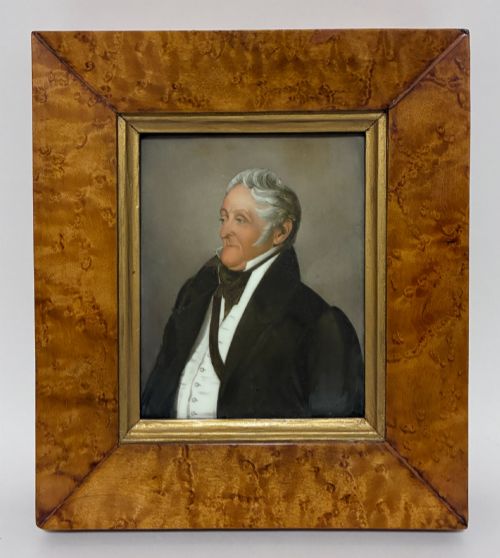
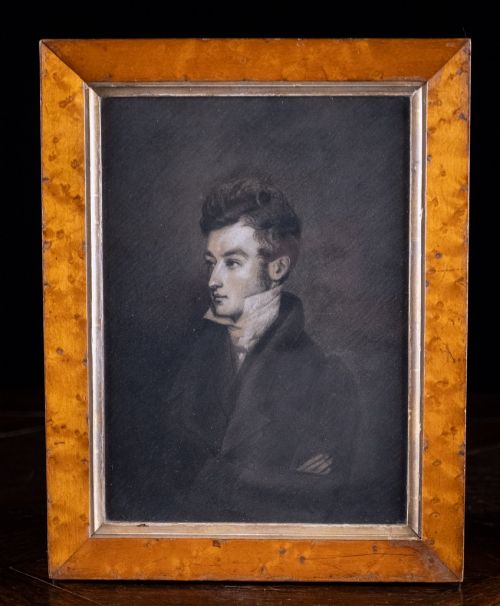
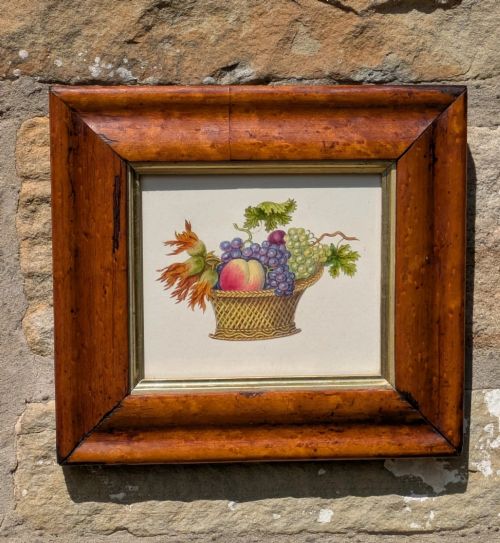
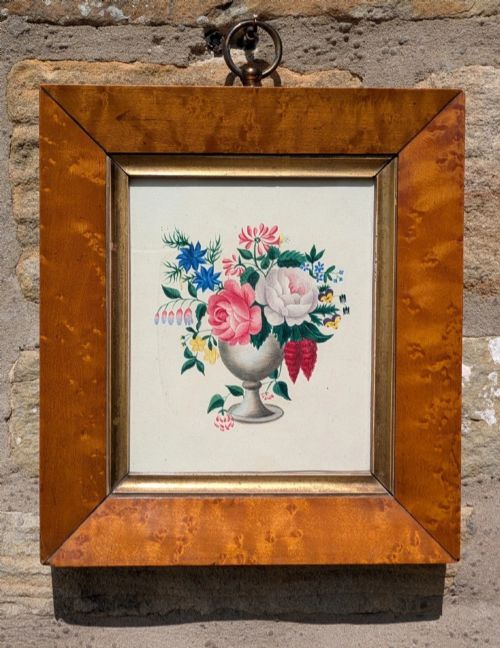
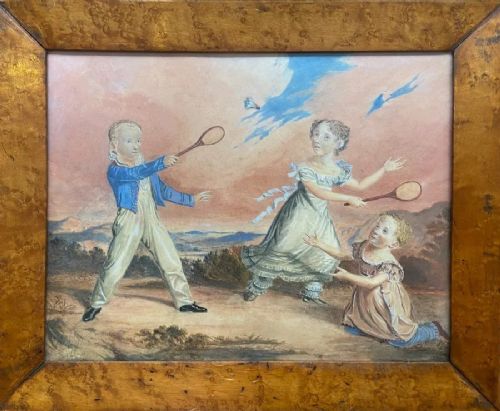
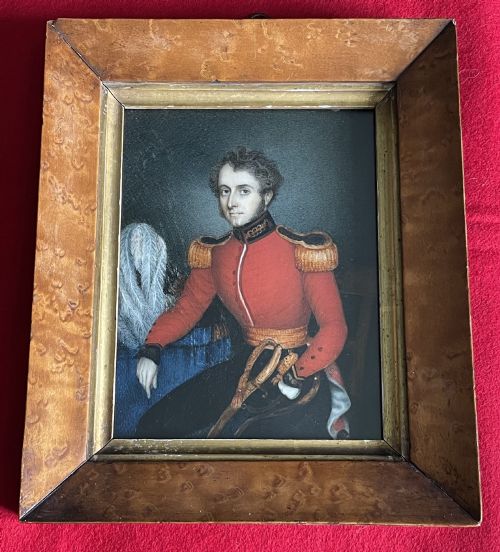
These regency maple framed art pieces combine rich timber grain with delicate period watercolours, silhouettes, and engravings.
Regency Maple Framed Art
Regency maple framed art encompasses delicate works on paper housed in distinct honey-toned wooden borders from the nineteenth century. Buyers seeking this aesthetic encounter a variety of forms including miniature portraits, botanical watercolours, and cut silhouettes.
Materials and construction
Makers utilised figured maple and maple veneer to construct the characteristic frames that define these works. This timber was selected for its distinctive bird's-eye or curly grain pattern, which provided a warm contrast to the dark silhouettes and bright watercolours mounted within.
Paper serves as the primary medium for the illustrations, carrying ink, watercolour, and engraved lines. Many examples incorporate glass to protect the delicate pigments and cut paper work, sometimes accompanied by gold leaf highlights.
Regency Maple Framed Art Retail Price Guide 2026
Typical asking prices for regency maple framed art among the pieces listed under this phrase on Sellingantiques today, from the lower quarter to the upper quarter. They describe what is for sale here now, not the wider market.
Keep an eye out for domestic pets secretly photobombing otherwise serious historical portraits.
Judging the pieces
Quality in these works rests heavily on the preservation of the original framing timber and the clarity of the interior artwork. Strong contrast in the maple grain and minimal disturbance to the original mount elevate an example above standard decorative items.
The execution of the artwork itself dictates the upper tier of the range, distinguishing hurried souvenir pieces from skilled portrait miniatures and botanical studies. Original glazing and untouched backing papers further separate superior survivals from altered examples.
Henry Travis·J F Marie Huet Villiers·Frederick Frith·Augustin Edouart·Edward Smyth·J Mitan
The Regency Maple Framed Art Glossary
- Maple veneer
- A thin layer of figured maple wood applied over a secondary timber base to create a decorative surface on the frame. This technique allowed makers to display dramatic grain patterns economically.
- Silhouette
- A portrait profile cut from black paper or painted onto a pale ground, popular during the Regency period. These likenesses often display fine scissor work and ink detailing.
- Watercolour
- A painting method using water-soluble pigments on paper, frequently employed for botanical studies and domestic scenes in the nineteenth century. The technique allowed for translucent washes of colour.
- Reverse glass engraving
- An image engraved and printed on glass before being viewed through the front surface, sometimes backed with silver leaf. This method produced a glossy finish popular in interior decoration.
- Needlework sampler
- A piece of fabric embroidered with alphabets, numbers, or pictorial motifs to demonstrate needle skills. These textiles provide dated records of domestic education.
Regency Maple Framed Art: Frequently Asked Questions
What is regency maple framed art?
These items are nineteenth-century works on paper, such as watercolours, silhouettes, and engravings, housed in distinct maple wood frames. They capture the domestic and portrait aesthetics of the Regency and Georgian periods.
The distinctive curly grain of the maple timber frames provides a warm, decorative border that complements the delicate nature of the historical paper works within.
How do I identify a period frame?
Period maple frames typically display a warm, golden honey tone with natural figuring and appropriate joinery for the early nineteenth century. Examining the construction reveals the age of the timber and how it was finished.
Original frames often show minor surface wear consistent with age, while the backing materials and glass can offer further clues to their nineteenth-century origins.
Were silhouettes painted or cut?
Silhouettes from this era were produced using both methods, with artists either cutting profiles from black paper or painting directly onto card or plaster. Some examples combine cut paper silhouettes with delicate ink highlights.
Both techniques required immense precision, resulting in striking profiles of individuals from the Georgian and Regency societies.
How should I display these pieces?
These artworks require placement away from direct sunlight to protect the fragile watercolours, inks, and paper from fading. Maintaining stable indoor humidity levels also helps preserve both the paper and the wooden frames.
Because the frames and glazing are often original, gentle handling during hanging ensures the historic components remain undisturbed.